Melasma Cream & Sunscreen Formulation Questions (Irritation, Solubility, SPF/PA, Water Resistance)
Asked by: poolyplus
On: February 21, 2016
Product Type:
Cosmetics
Answered
Question
I have two main areas of questions regarding cosmetic formulations:
1. Melasma Treatment Cream Formulation:
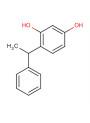
- Can ODA White Plus (Octadecenedioic Acid) 2% and MSH White (Alpha-MSH) 2% be used as solvents for SymWhite (Phenylethyl Resorcinol) 0.5%?
- When using the melasma cream I made, I consistently experience stinging and itching sensations. What could be the cause?
- Regarding the safety of ODA White Plus, MSH White, and SymWhite:
- Is there a risk of these ingredients making the skin darker than before?
- Can they cause skin irritation?
- Do they make the skin thin or photosensitive?
2. Sunscreen Formulation:
I am working on a sunscreen formula with the following composition:
- Zinc Oxide 10%
- Titanium Dioxide 5%
- BEMT (Bis-Ethylhexyloxyphenol Methoxyphenyl Triazine) 1%
- Lipid Soft Dry (Oil-Free Emollient) 20%
- Satin Mousse (Silky Cream Maker) 1.5%
- Disodium EDTA 0.2%
- Phenonip (Preservative) 1%
Based on this formula:
- How can I calculate the SPF and PA values?
- What is the procedure for making this cream using Satin Mousse as the cream maker (without using Light Cream Maker)?
- Is this formula waterproof? If not, how can I make it waterproof?
- Can this formula be washed off completely with a regular facial cleanser?
- Is Disodium EDTA an ion that can potentially soften the gel texture?
- Can I reduce the amount of Lipid Soft Dry to 10% without issues?
Answer
Melasma Treatment Cream
Based on your formula and questions:
- Dissolving SymWhite: You asked if ODA White Plus (2%) and MSH White (2%) can dissolve SymWhite (Phenylethyl Resorcinol) (0.5%). Both ODA White Plus and MSH White are oil-soluble ingredients and can be mixed in the oil phase of your formula. SymWhite is also oil-soluble. To ensure SymWhite is fully dissolved, it's best to mix it with the oil phase ingredients (like ODA White Plus and MSH White) thoroughly before combining with the water phase, or add it to the finished cream that contains the oil phase and mix until completely dissolved.
- Stinging/Itching Sensation: The stinging or itching you experience could be due to a couple of factors, as suggested in the previous reply.
- High Concentration of Actives: Your formula contains multiple potent whitening and active ingredients (Vitamin B3, Calendula Extract, Lemon Peel Bioferment, ODA White Plus, MSH White, SymWhite). While effective, the combined concentration might be too high for your skin, leading to irritation. SymWhite at 0.5% is at the higher end of the recommended usage rate for leave-on products. Vitamin B3 (Niacinamide) at 4% can also cause a warming or tingling sensation in some individuals, although the Safe-B3 type is designed to minimize this.
- Undissolved SymWhite: If the SymWhite powder is not completely dissolved in the formula, applying the cream can expose your skin to concentrated particles, causing localized irritation, stinging, and itching. Ensuring complete dissolution during mixing is crucial.
- Safety Concerns (Darkening, Irritation, Photosensitivity):
- Making Skin Darker: The whitening agents in your formula (Vitamin B3, Lemon Peel Bioferment, ODA White Plus, MSH White, SymWhite) are designed to reduce hyperpigmentation. They do not inherently cause skin darkening when used correctly. However, irritation from the formula could potentially lead to post-inflammatory hyperpigmentation in some individuals. Crucially, inadequate sun protection while using whitening products can make your skin more vulnerable to UV damage, which can cause or worsen dark spots.
- Irritation: As mentioned above, the combination and concentration of active ingredients, particularly if SymWhite is not fully dissolved, are the most likely causes of irritation, stinging, or itching. Lemon Peel Bioferment may also contribute to mild sensitivity due to its exfoliating properties.
- Skin Thinning/Photosensitivity: Most ingredients in your formula, including Vitamin B3, Calendula Extract, Panthenol, Disodium EDTA, Butylene Glycol, Phenonip, Satin Mousse, Pro Polymer Silk, ODA White Plus, MSH White, and SymWhite, are not typically associated with causing skin thinning or significant photosensitivity when used within recommended guidelines. While Lemon Peel Bioferment has mild exfoliating action, it's not generally considered a major photosensitizer compared to ingredients like AHAs or BHAs. Consistent daily sunscreen use is always recommended when using any skin brightening products to protect your skin and maximize the benefits.
Sunscreen Formula
Regarding your sunscreen formula and questions:
- Calculating SPF and PA: Determining the exact SPF and PA values for a sunscreen formula containing physical filters (Zinc Oxide, Titanium Dioxide) and organic filters (BEMT) is complex. It cannot be accurately calculated based on percentages alone. The final SPF and PA values must be determined through laboratory testing (in-vivo or in-vitro) of the finished product. The type and particle size of Zinc Oxide and Titanium Dioxide, as well as the specific grade and concentration of BEMT and how well they are dispersed in the formula, all significantly impact the final protection level.
- Mixing with Satin Mousse: You can use Satin Mousse (Satin Cream Maker) as the cream maker without using Light Cream Maker. Satin Mousse is an emulsifier and thickener that works without heat. To use it, mix the Satin Mousse into the water phase of your formula and stir. Then, add the oil phase (containing your oils, sunscreens, etc.) to the water phase and mix continuously until a cream texture forms. Avoid mixing at very high speeds (above 2500 rpm) as this can damage the polymer.
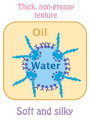
- Water Resistance: Your current formula using Satin Mousse is likely not waterproof. Satin Mousse creates an oil-in-water emulsion, which is easily washed off with water. To make a waterproof sunscreen, you would typically need to create a water-in-oil emulsion. This requires using a different type of emulsifier specifically designed for water-in-oil systems, such as Water-Capsule or Water-in-Oil EZ. These emulsifiers create a formula where water is dispersed within an oil phase, providing better water resistance. Your current formula can likely be washed off with a regular facial cleanser. Using treated versions of Zinc Oxide (like Zinc Oxide EasyDisperse) and Titanium Dioxide (like Titanium Dioxide EasyDisperse) can help the powders adhere better to the skin, offering some residual protection even if the cream base is washed off, but this does not make the overall formula waterproof.
- Preservative Composition (Phenonip, Phenoxyethanol SA):
- Phenonip (Para-Preserve): This preservative blend contains Phenoxyethanol, Methylparaben, Ethylparaben, Propylparaben, and Butylparaben. The specific proportions of each component within the blend are not typically provided in the general description.
- Phenoxyethanol SA (Optiphen Plus): This preservative blend consists of Phenoxyethanol, Caprylyl Glycol, and Sorbic Acid. The specific proportions of each component within this blend are also not typically provided in the general description.
- Disodium EDTA and Gel Softening: Disodium EDTA is a chelating agent that can interact with metal ions. In some formulations, especially those using certain types of gelling agents, metal ions can affect viscosity. Disodium EDTA can chelate these ions, which can potentially lead to a reduction in viscosity or softening of the gel. However, at the typical low usage rate of 0.1-0.2% in your formula, the effect on gel viscosity is usually minimal.
- Reducing Lipid Soft Dry to 10%: Reducing Lipid Soft Dry from 20% to 10% in your sunscreen formula is possible, but it might affect the texture and spreadability. Emollients like Lipid Soft Dry help to disperse the sunscreen powders (Zinc Oxide and Titanium Dioxide) and provide a smooth feel on the skin. With a total of 15% physical sunscreen powders, reducing the emollient significantly could make the cream feel drier, harder to spread evenly, and potentially leave a more noticeable white cast. You would need to test this reduction to see if the resulting texture is acceptable for your product goals.
Related Products Mentioned
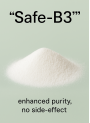
Safe-B3™ (Vitamin B3, Niacinamide)
Cosmetics

Calendula Extract (Water Soluble)
Cosmetics
Vitamin C (L-ascorbic acid) (Ultra-Fine)
Cosmetics
Light Cream Maker™
Cosmetics
Disodium EDTA
Cosmetics
Lemon Peel Bioferment (Lemon Skin™)
Cosmetics

Satin Cream Maker™
Cosmetics
Zinc Oxide 200nm EasyDisperse™
Cosmetics
Zinc Oxide (Micronized)
Cosmetics
Butylene Glycol
Cosmetics
Water-Capsule™ (Water-in-Oil Cream)
Cosmetics
GABA Gamma aminobutyric acid (Synthetic)
Cosmetics

MSH White Absorb™
Cosmetics

Para-Preserve (eq. Phenonip P4)
Cosmetics

ODA-White Plus™
Cosmetics

Phenoxyethanol SA (eq. Optiphen Plus)
Cosmetics