Melasma Serum Formulation Review
Question
Review of a proposed melasma serum formula containing multiple potent actives (such as Tranexamic Acid, Activated Resorcinol, 4MSK, Niacinamide) aiming for a fast-absorbing, non-sticky texture. Is this formula suitable, and what adjustments are needed for texture, stability, and overall effectiveness?
Answer
Melasma Serum Formulation Review
Your proposed formula includes several powerful active ingredients targeting hyperpigmentation:
- Tranexamic Acid (3%): Known for its ability to reduce the appearance of melasma.
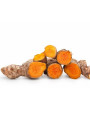
- WhiteCumin 2x (3%): A form of Tetrahydrocurcuminoids with antioxidant and brightening properties.
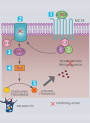
- MSH White (2%): Works by inhibiting melanin production signals.
- GlucoBright (4%) & Niacinamide (5%): This combination is known to be effective for brightening and improving skin tone, and Niacinamide also offers barrier support and oil control benefits.
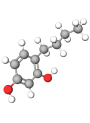
- Activated Resorcinol (1%): A potent inhibitor of tyrosinase, the enzyme responsible for melanin production.
- 4MSK (2%): Another effective brightening agent developed by Shiseido.
- Hi-Glabridin (0.1%): A component of Licorice extract known for its brightening and soothing properties.
- Distilled Water (79.9%): Forms the bulk of the base.
The concentrations of the active ingredients are generally at or near the maximum recommended usage rates for cosmetic products, suggesting a potentially very effective formula for addressing melasma.
Texture and Absorption
You aim for a serum that absorbs quickly and is not sticky or greasy. The high percentage of water in your formula is a good starting point for a light texture. However, achieving this goal requires careful consideration of how the ingredients are incorporated:
- Solubility: Some ingredients in your formula, such as MSH White and Activated Resorcinol, are not directly soluble in water. They typically need to be dissolved in oil or alcohol first and then incorporated into the water phase using a suitable solubilizer or emulsifier. Hi-Glabridin also requires dissolution in a solvent like Butylene Glycol or Ethanol before adding to water. Simply mixing everything into water will not result in a stable or effective serum, and undissolved ingredients can affect the texture and absorption.
- Formulation Complexity: Incorporating multiple ingredients with different solubility requirements into a stable, clear, and non-greasy serum base adds complexity. The type and amount of solubilizers or emulsifiers needed will significantly impact the final feel and absorption. Using too much can lead to tackiness or greasiness.
- 4MSK: This ingredient is an electrolyte and can sometimes affect the viscosity of water-based formulas, potentially making them thinner.
Stability
Several ingredients require specific conditions for stability:
- Activated Resorcinol: This ingredient is sensitive to light and can discolor. It is recommended to include Disodium EDTA (around 0.2%) and potentially an antioxidant like ActiveProtec™ OX (around 0.6%) to help prevent discoloration. The final product should also be stored away from light, ideally in an opaque container.
- Tranexamic Acid: Adding ActiveProtec™ OX (around 0.5%) is recommended for long-term color stability.
- Storage: WhiteCumin 2x and Tranexamic Acid are best stored in the refrigerator for long-term stability.
Potential Adjustments and Considerations
- Formulation Base: To create a stable serum, you will need to add components to properly dissolve and emulsify/solubilize the oil/alcohol-soluble ingredients (MSH White, Activated Resorcinol, Hi-Glabridin) into the water phase. This requires selecting appropriate solubilizers or a light emulsifier system suitable for a serum texture.
- Stabilizers: Include Disodium EDTA and ActiveProtec™ OX as recommended for the stability of Activated Resorcinol and Tranexamic Acid.
- Preservation: Your formula currently lacks a preservative system. A water-based formula requires effective preservation to prevent microbial growth.
- pH Adjustment: Ensure the final pH of the serum is within the optimal range for the stability and efficacy of all active ingredients (ideally between 4.5 and 5.5).
- Potential for Irritation: While these ingredients are effective, using this many potent actives at high concentrations simultaneously increases the risk of skin irritation, especially for sensitive skin types. You may want to consider starting with a slightly lower concentration of some actives or a simpler combination if irritation is a concern. Niacinamide can help support the skin barrier, but it might not be sufficient to counteract the potential irritation from other ingredients for everyone.
- Texture Enhancers: To further improve the non-greasy feel and absorption, you could consider adding a small amount of a light humectant (besides water) or a texture-enhancing polymer, ensuring they are compatible with the other ingredients and do not cause tackiness.
In summary, your formula contains an excellent selection of actives for melasma. However, as listed, it is not a complete or stable formula suitable for a fast-absorbing, non-greasy serum. You will need to add solubilizers/emulsifiers, stabilizers, and a preservative system, and carefully consider the mixing process and potential for irritation.
Related Products Mentioned
Safe-B3™ (Vitamin B3, Niacinamide)
GlucoBright™ (Acetyl Glucosamine)
MSH White™ (Undecylenoyl phenylalanine)
Tranexamic Acid (Trans-White™)