Melasma Spot Treatment Serum: Azelaic Acid and Base Stability
Question
I am formulating a spot treatment serum for melasma with the following ingredients:
- Niacinamide 5%
- N-Acetyl Glucosamine 4%
- Alpha Arbutin 2%
- ODA-White Plus 2%
- Natural PHA (Gluconolactone 5%)
- Allantoin
- Bisabolol
- SKIN-DEFENSE
- Would adding
Azelaic Acid 7%be too irritating? - Would using
Light Cream Maker 1.5%+Xanthan Gum 1%as the base be stable enough to tolerate the acidity from the ingredients, especially if addingAzelaic Acid 7%?
Answer
Subject: Melasma Spot Reduction Serum - Formula Review and Advice
Thank you for submitting your formula for review.
Regarding your questions:
Formula Effectiveness and Expected Results:
Your formula contains several effective whitening ingredients known to help reduce melasma and dark spots, including Niacinamide (5%), N-Acetyl Glucosamine (4%), Alpha Arbutin (2%), and ODA-White Plus (2%). Natural PHA (Gluconolactone 5%) can also help by promoting skin cell turnover. The combination of these ingredients targeting different mechanisms of melanin production and distribution should be effective in helping to fade melasma and dark spots, leading to a more even skin tone in the affected areas. The soothing ingredients (Allantoin, Bisabolol, SKIN-DEFENSE) are good additions to help minimize potential irritation from the actives.Ingredient Adjustments:
- Emulsifier/Thickener System: As the staff previously advised, your current emulsifier system (Light Cream Maker 1.5%) might not be stable with 5% Gluconolactone, especially after adjusting the pH to 4. If you decide to incorporate Azelaic Acid 7% (as discussed later), Light Cream Maker will definitely not be suitable as it is sensitive to electrolytes. You will need to adjust this part of the formula to ensure stability. Options include increasing the percentage of Light Cream Maker, combining it with other acid/electrolyte-tolerant thickeners (like ClayThick Ready 10%, Xanthan Gum 1%, or Pro Polymer 1.5%), or switching to a more robust emulsifier like Satin Cream Maker or Butter Cream Maker (which requires heat). You may need to experiment to find the right combination and percentage for your desired texture and stability.
- Whitening Actives: The current combination is potent. Regarding the suggestion to add Trans-White (Tranexamic Acid): Since you are already using another product containing 3% Trans-White, adding it again to this serum is generally not necessary and could increase the risk of irritation without significantly boosting the results due to overlapping mechanisms. If you want to enhance the formula further, consider replacing the suggested Trans-White with a different whitening agent that works through a different pathway, such as Azelaic Acid (discussed below) or certain Vitamin C derivatives.
Suitability for Spot Treatment:
Your definition of a spot treatment serum (higher concentration of actives, potentially more irritating, applied locally) aligns well with this formula. The concentrations of the whitening agents are significant, making it suitable for targeted application on melasma and dark spots to help them fade and blend with the surrounding skin. Due to the high active load, it has a higher potential for causing irritation compared to a general facial serum. Therefore, using it as a spot treatment is appropriate, especially if your skin is sensitive or if you are using other active-containing products on your face.
Additional Advice based on Follow-up Discussion:
- Using Trans-White: As mentioned above and confirmed by staff, if you are already using a product with 3% Trans-White, adding it to this formula is redundant and could increase irritation. It's better to use a different active.
- Using Azelaic Acid 7%: Azelaic Acid is a good alternative whitening agent for melasma. Regarding the 7% concentration, individual skin tolerance varies. While 7% is a relatively high concentration (cosmetic products often use lower percentages, but prescription products can go up to 10-20%), it can be effective. You would need to test it on a small area first to see if your skin tolerates it.
- Emulsifier System with Azelaic Acid 7%: As staff correctly pointed out, your proposed emulsifier system (Light Cream Maker 1.5% + Xanthan Gum 1%) will not be able to handle 7% Azelaic Acid. Azelaic Acid is an electrolyte, and Light Cream Maker is sensitive to electrolytes, which will cause the emulsion to break and become liquid. If you choose to include Azelaic Acid 7%, you must use an emulsifier or thickener system that is tolerant to both acidity (from PHA and Azelaic Acid) and electrolytes. Options include Butter Cream Maker (3-5%, requires heat), Satin Cream Maker, ClayThick Ready, or Pro Polymer. You may need to experiment with combinations and percentages of these tolerant ingredients to achieve the desired texture and stability.
In summary, your formula has a good combination of actives for melasma spot treatment. The main area needing adjustment is the emulsifier/thickener system to ensure stability, especially considering the presence of PHA and potentially Azelaic Acid. If you are already using Trans-White, replace it with another active like Azelaic Acid (if your skin tolerates it and you use a suitable base) or another whitening ingredient. Always patch test new formulations.
Related Products Mentioned
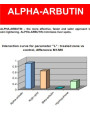
Alpha Arbutin (Switzerland)
Safe-B3™ (Vitamin B3, Niacinamide)
Allantoin
Natural Bisabolol (Brazil Chamomile)
GlucoBright™ (Acetyl Glucosamine)
Ethoxydiglycol (e.q. Transcutol)
Light Cream Maker™
Pro Polymer™ (Gel Maker)

Satin Cream Maker™

Trans-White™
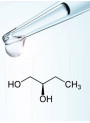
Butylene Glycol
Natural PHA (Gluconolactone)

SKIN-DEFENSE® V ลดระคายเคืองจากธรรมชาติ
Purified Water, TDS Limit 1PPM)

ODA-White Plus™

Phenoxyethanol SA (eq. Optiphen Plus)
Butter Cream Maker™
