Melasma Treatment Formulation Issues: Ingredient Compatibility, Stability, and Pilling
Question
I am trying to formulate skincare products for my mother who has significant melasma and sensitive skin. I initially considered two separate formulas:
- Serum (Morning/Evening): Containing Tranexamic Acid, Activated Resorcinol, Niacinamide, N-Acetyl-D Glucosamine, LipidSoft, Cyclomethicone, Silisolve, Water, and Phenoxyethanol.
- Gel (Nighttime): Containing Azelaic Acid and Nanowhite.
However, I was advised that using Activated Resorcinol and Azelaic Acid together might be too irritating for sensitive skin, and it was recommended to start with only the first serum.
I then attempted to create a single combined formula with a texture similar to the first serum (using Silisolve) or a different serum base (Silky Serum Base) to include ingredients from both initial formulas, specifically:
- Tranexamic Acid 3%
- Activated Resorcinol 1%
- Vitamin B3, Niacinamide 2%
- N-Acetyl-D, Glucosamine 4%
- Nanowhite 5%
- LipidSoft 5%
- Cyclomethicone 5%
- Silky Serum Base 30% (or Silisolve 1.5% with Cyclomethicone 20% in another attempt)
- Water 44% (or 63.5%)
- Phenoxyethanol 1%
Both attempts to create this combined formula resulted in phase separation. I understand now that Silisolve and Silky Serum Base are not suitable for emulsifying oil-soluble ingredients like Activated Resorcinol (which requires LipidSoft to dissolve) with water.
My questions and issues are:
- What are the best ways to formulate a stable product for sensitive skin with melasma, considering the potential for irritation from ingredients like Activated Resorcinol and Nanowhite when combined?
- How can I create a stable formula that includes both water and oil-soluble active ingredients for melasma treatment? What alternative bases or emulsifiers (like Light Cream Maker mentioned by staff) are suitable?
- Regarding Vitamin C, can Nanowhite replace Perfect-C? How can I incorporate Vitamin C (LAA) Ultra-Fine into a formula if I want to use it instead of Perfect-C?
- I also experience pilling when applying my current sunscreen over a cream, but not over a serum/gel or when used alone. What causes this pilling issue when layering products, and how can it be resolved through formulation or application methods?
Answer
Recommendations for Your Mother's Melasma Formulas
It's wonderful that you want to create skincare products to help your mother with her significant melasma. Based on your questions and the valuable feedback from the forum thread, here's a summary and some guidance for refining your formulations.
Evaluation of Your Initial Two Formulas
You proposed a serum for morning and evening use and a gel for nighttime use. These formulas contain key ingredients for melasma like Tranexamic Acid, Activated Resorcinol, Niacinamide, and N-Acetyl-D Glucosamine in the serum, and Azelaic Acid and Nanowhite in the gel.
- Combined Use: According to the staff's advice, since your mother has sensitive skin, using products with potentially high irritation ingredients like Activated Resorcinol and Azelaic Acid together at night might cause excessive irritation.
- Initial Recommendation: It is recommended to start by using only the first serum formula (containing Tranexamic Acid, Activated Resorcinol, Niacinamide, N-Acetyl-D Glucosamine) both morning and evening. Observe how your mother's skin reacts. If it is well-tolerated and provides some improvement, but you wish to enhance the results, then you can consider adjusting the formula or adding another product.
Issues with Your Proposed Combined Formula
You attempted to combine ingredients from both formulas into a single one containing Tranexamic Acid, Activated Resorcinol, Niacinamide, N-Acetyl-D Glucosamine, Nanowhite, LipidSoft, Cyclomethicone, Silisolve, and water.
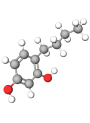
- Overlapping and Potentially Irritating Ingredients: As pointed out by another user (salory_silee) and the staff, Activated Resorcinol and Nanowhite (containing Beta Arbutin) have similar mechanisms for inhibiting pigmentation. Using them together might increase the risk of irritation without a proportional increase in efficacy, especially for sensitive skin. Activated Resorcinol is generally more potent than Beta Arbutin but also potentially more irritating.
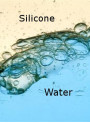
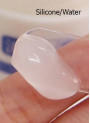
- Emulsification Problem: The staff clearly explained that Silisolve is designed to emulsify silicone with water only. It cannot emulsify oil (such as LipidSoft, which is needed to dissolve Activated Resorcinol) with water. Therefore, your proposed formula using Silisolve will not form a stable emulsion and will eventually separate.
Issues with Your Serum Formula Using Silky Serum Base
You tried adjusting the formula using Silky Serum Base, but this formula also has issues.
- Silky Serum Base Does Not Emulsify Oil: As advised by another user (cosmeceutical7), Silky Serum Base is also not suitable for emulsifying oil-soluble ingredients like LipidSoft and Activated Resorcinol. This formula is also likely to separate.
Questions About Vitamin C (Perfect-C vs Vitamin C LAA)
- Can Nanowhite replace Perfect-C? Yes, you can include Nanowhite, but as discussed, be cautious about potential irritation when combined with Activated Resorcinol. The staff suggested Perfect-C as an alternative that might complement the formula differently or add antioxidant benefits.
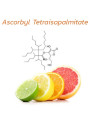
- Can Vitamin C (LAA) Ultra-Fine replace Perfect-C? How to incorporate it? The staff explained that L-Ascorbic Acid (LAA) is significantly different from Perfect-C (Ascorbyl Tetraisopalmitate), primarily in terms of stability. LAA is highly unstable, especially in water-based formulas, and requires specific pH conditions and complex formulation techniques (like anhydrous bases) to remain effective. Simply adding LAA to a standard emulsion formula is unlikely to work, and the LAA would quickly degrade. Perfect-C is oil-soluble and much more stable, making it easier to incorporate into cream or serum formulas containing oil. If you have an existing LAA in Silicone Serum formula that you like, using that as a separate product might be simpler than trying to integrate LAA into a new complex formula.
Pilling Issue with Sunscreen
You described the sunscreen pilling when applied over a cream but not over a serum/gel or when used alone. This issue is due to incompatibility between the textures or ingredients of your cream and sunscreen formulas.
- Causes: Pilling often happens when certain ingredients (like some polymers or film-formers) in one product react with ingredients in the next, or when products are layered before they have fully absorbed.
- Solutions:
- Ensure the cream layer is fully absorbed and dry before applying sunscreen.
- Try applying the sunscreen by gently "patting" or "pressing" it onto the skin instead of rubbing.
- You might need to consider adjusting either the cream or the sunscreen formula to reduce ingredients known to cause pilling (which requires more advanced formulation knowledge).
- If using a serum or gel before sunscreen doesn't cause pilling, perhaps using a serum/gel texture for your treatment product is a better option when layering under this specific sunscreen.
Recommended Approach for Your Mother's Formula
- Start with Serum 1: Begin by using only the first serum formula (Tranexamic Acid 3%, Activated Resorcinol 1%, Niacinamide 2%, N-Acetyl-D Glucosamine 4%, LipidSoft 5%, Cyclomethicone 20%, Silisolve 1.5%, Water 63.5%, Phenoxyethanol 1%) morning and evening. Monitor for any signs of irritation. If well-tolerated, continue using it to see results on melasma.
- Address Formulation Stability: Your attempts to combine ingredients or use different serum bases (Silky Serum Base) failed because the chosen bases (Silisolve, Silky Serum Base) are not compatible with emulsifying oil (LipidSoft, needed for Activated Resorcinol).
- Consider an Alternative Base for Combined Formulas: If you want to create a single formula containing both water and oil-soluble ingredients, and you desire a cream texture, you will need a suitable emulsifier or base, such as a Cream Maker that can handle water, oil, and silicone (like Light Cream Maker, as suggested by the staff).
- Be Cautious with Overlapping/Irritating Ingredients: Combining Activated Resorcinol and Nanowhite may increase irritation risk without significantly boosting efficacy for sensitive skin. Consider choosing one or using lower concentrations, and perhaps add other gentle brightening ingredients.
- The Importance of Sunscreen: Regardless of how effective your treatment formula is, consistent daily use of a good sunscreen is the most critical step in treating and preventing melasma.
Making products for your loved ones is a special endeavor. I wish you success in creating an effective and gentle formula for your mother!
Related Products Mentioned
Safe-B3™ (Vitamin B3, Niacinamide)
GlucoBright™ (Acetyl Glucosamine)
Vitamin C (L-ascorbic acid) (Ultra-Fine)
Light Cream Maker™
Phenoxyethanol (Extra Pure)

Pro Polymer™ (Gel Maker)

Zinc Oxide 200nm EasyDisperse™
Warp Cream Maker™ (e.q. Nikkomulese wo)
Silky Serum Base (Face/Eye)