Melasma Treatment Serum: Adding LipidSoft Lite and Adjusting Pro Polymer
Question
I have combination skin, melasma, and frequent sun exposure due to my work. I initially had a formula containing 20% Mandelic Acid, but the staff recommended a revised formula focusing on whitening suitable for my condition. The recommended revised formula is:
- Water (remaining part)
- Phyto Glycyrrhetinic Acid 3%
- MSH White Absorb 5%
- Tranexamic Acid 3%
- Safe-B3 4%
- NAG (N-Acetyl Glucosamine) 4%
- Centella Asiatica Extract (Madecassoside 7.7%) 1%
- Pro Polymer (Acrylate Crosspolymer) 0.5%
- Preservative 1%
I have some LipidSoft™ Lite leftover and would like to add it to this revised formula at 5%. Can I add LipidSoft™ Lite 5% to this formula? I am concerned about how it will affect the viscosity and texture.
Answer
Formula Review and Recommendations
You have a combination skin type, experience melasma, and have significant sun exposure from your work.
Your initial formula included Mandelic Acid at a high concentration (20%). As the staff correctly advised, using a high concentration of AHA like Mandelic Acid is generally not recommended for skin with frequent sun exposure, especially when dealing with melasma. AHAs can increase skin sensitivity to the sun, potentially worsening dark spots.
The staff's revised formula is a much better approach for your situation as it focuses on whitening agents suitable for skin prone to melasma and sun exposure, while removing the high concentration of the peeling agent.
Recommended Revised Formula (from Staff)
Here is the revised formula recommended by the staff:
- Water (remaining part)
- Phyto Glycyrrhetinic Acid 3%
- MSH White Absorb 5%
- Tranexamic Acid 3%
- Safe-B3 4%
- NAG (N-Acetyl Glucosamine) 4%
- Centella Asiatica Extract (Madecassoside 7.7%) 1%
- Pro Polymer (Acrylate Crosspolymer) 0.5%
- Preservative 1%
This formula includes several ingredients known for their skin brightening and soothing properties, such as Phyto Glycyrrhetinic Acid, MSH White Absorb, Tranexamic Acid, Safe-B3, NAG, and Centella Asiatica Extract. These are more suitable for addressing melasma while minimizing irritation, especially when sun exposure is a factor.
The staff indicated that this formula can be used both morning and night.
Expected Results
Regarding the time frame to see results, the staff mentioned that focusing on the whitening effects, you should expect to see results in approximately 4 weeks, provided you minimize sun exposure. Consistent sun protection is absolutely critical when treating melasma.
Adding LipidSoft Lite
You asked about adding LipidSoft Lite at 5% to the formula. The staff confirmed that you can add LipidSoft Lite to the revised formula. To maintain the desired texture and stability when adding this oil-phase ingredient, they recommend slightly increasing the amount of Pro Polymer from 0.5% to 0.7-0.8%.
So, if you choose to add LipidSoft Lite, the adjusted revised formula would be:
- Water (remaining part)
- Phyto Glycyrrhetinic Acid 3%
- MSH White Absorb 5%
- Tranexamic Acid 3%
- Safe-B3 4%
- NAG (N-Acetyl Glucosamine) 4%
- Centella Asiatica Extract (Madecassoside 7.7%) 1%
- LipidSoft Lite 5%
- Pro Polymer (Acrylate Crosspolymer) 0.7-0.8%
- Preservative 1%
Mixing Instructions
The mixing instructions provided by the staff for the revised formula (without LipidSoft Lite) are:
- Combine Water + Tranexamic Acid + Safe-B3 + NAG. Mix well (Water phase 1).
- Combine Phyto Glycyrrhetinic Acid + MSH White Absorb + Centella Asiatica Extract. Mix well (Water phase 2).
- Add Pro Polymer to Water phase 1 and stir/blend until a gel forms.
- Gradually add Water phase 2 to the gel while stirring until a uniform white/creamy gel is obtained.
- Finally, add the Preservative and mix thoroughly.
If you add LipidSoft Lite, you would typically add it to the oil phase ingredients (Phyto Glycyrrhetinic Acid, MSH White Absorb, Centella Asiatica Extract) before combining with the water phase. You would use the increased amount of Pro Polymer (0.7-0.8%) in the water phase.
Important Note
Given your constant sun exposure, it is crucial to use adequate sun protection daily, such as a broad-spectrum sunscreen with high SPF and PA, a hat, and seeking shade whenever possible. No melasma treatment will be fully effective without diligent sun protection.
Related Products Mentioned
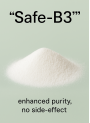
Safe-B3™ (Vitamin B3, Niacinamide)
GlucoBright™ (Acetyl Glucosamine)
Pro Polymer™ (Gel Maker)

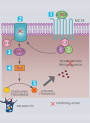
MSH White™ (Undecylenoyl phenylalanine)
Glycyrrhetinic acid (Enoxolone)