Melasma Treatment: Why Current Formula Isn't Working and Alternative Ingredients
Question
My melasma formula contains Tranexamic Acid, Azelaic Acid, and Activated Resorcinol S but is not working. Could you please explain the possible reasons why it might not be effective and suggest alternative or complementary ingredients I could use?
Answer
Alternative Ingredients for Melasma Treatment
It's understandable that you're seeking alternatives if your current melasma formula hasn't yielded the desired results. The formula you provided contains several well-regarded ingredients for addressing pigmentation issues, namely Tranexamic Acid, Azelaic Acid, and Activated Resorcinol S.
The effectiveness of any skincare formula, especially for stubborn conditions like melasma, can depend on various factors, including:
- Individual Skin Response: Everyone's skin is unique and may respond differently to the same ingredients.
- Cause and Depth of Melasma: Melasma can be epidermal (surface level) or dermal (deeper), and deeper pigmentation is often harder to treat.
- Consistency and Duration of Use: Significant improvement often requires consistent application over several months.
- Proper Formulation: The concentration, pH, and compatibility of ingredients in the formula are crucial for their stability and efficacy.
- Sun Protection: This is perhaps the most critical factor. UV exposure is a major trigger and aggravator of melasma. Without strict daily sun protection (using broad-spectrum SPF 30 or higher, reapplying as needed, and seeking shade), even the most potent ingredients may not be effective.
The staff's questions regarding how long you've used the formula, frequency of use, sun exposure habits, and skin characteristics (especially moisture level) are very important. Providing this information will help pinpoint potential reasons for the lack of results and guide recommendations more effectively.
While you gather that information, we can explore alternative or complementary ingredients that are also known for their efficacy against hyperpigmentation:
- Niacinamide (Vitamin B3): This versatile ingredient works through multiple pathways to improve skin. It can help reduce the transfer of melanin within skin cells, thus reducing the appearance of dark spots. It also strengthens the skin barrier, reduces inflammation, and can help with oil control. Products like Safe-B3™ or Extreme-B3™ (a higher purity version) are forms of Niacinamide that can be used in formulations.
- Alpha Arbutin: This is a derivative of hydroquinone but is considered safer and less irritating. It works by inhibiting tyrosinase, a key enzyme involved in melanin production. Alpha Arbutin is effective for brightening the overall complexion and reducing the intensity of dark spots.
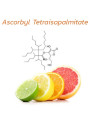
- Vitamin C Derivatives: Various forms of Vitamin C, such as Ascorbyl Glucoside (AA-2G), Perfect-C™ (Ascorbyl Tetraisopalmitate), or Sodium Ascorbyl Phosphate (SAP), offer antioxidant benefits and can help brighten skin tone and fade dark spots. It's important to note that different forms of Vitamin C have different solubility and pH requirements for stability, and some may have compatibility issues with other ingredients like Niacinamide, which needs to be considered during formulation.
Sometimes, rotating active ingredients or using a combination that targets different aspects of pigmentation can be more effective. For instance, a formula combining Niacinamide and Alpha Arbutin could be considered, ensuring the pH is suitable for both ingredients (ideally between 4.0 and 6.5).
Ultimately, addressing melasma requires a multi-faceted approach that includes effective ingredients, proper formulation, consistent use, and diligent sun protection. Reviewing your current routine based on the staff's questions is a crucial next step.
Suggested Ingredients for Melasma
- Niacinamide (Vitamin B3): Helps reduce melanin transfer, strengthens skin barrier.
- Alpha Arbutin: Inhibits tyrosinase to reduce melanin production.
- Vitamin C Derivatives: Provide antioxidant protection and help brighten skin tone.
Remember to always use sun protection daily when treating melasma.
Related Products Mentioned
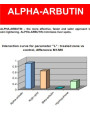
Alpha Arbutin (Switzerland)
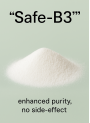
Safe-B3™ (Vitamin B3, Niacinamide)