Melt-and-Pour Soap for Whitening and Exfoliation: Method, Effectiveness, and Formula Modification
Question
I am making a melt-and-pour glycerin soap using the following method and ingredients:
Method:
- Melt the glycerin base.
- Add oils/butters.
- Add Sodium Lactate, fragrance, and color at a lower temperature.
- Pour into molds.
Ingredients:
- Glycerin base
- Organic virgin Coconut Oil
- Extra virgin Olive Oil
- Shea butter ultra soft
- Sodium Lactate (3%)
- Fragrance
- Color
I have the following questions:
- Is the method described above correct for this soap formula?
- Will this formula effectively help exfoliate and whiten the skin?
- If not, how can I modify the formula to achieve skin whitening and nourishment? Which ingredients should I reduce or add?
Answer
Soap Formulation Feedback
Regarding your soap formulation and questions:
Is the method correct for this soap formula?
The method you described (melting the glycerin base, adding oils/butters, then adding Sodium Lactate, fragrance, and color at a lower temperature before pouring) is generally correct for making melt-and-pour glycerin soap. However, the specific instructions and limitations can vary depending on the type and brand of the glycerin soap base you are using. It is always best to consult the supplier of your soap base for their recommended method and maximum additive percentages to ensure the best results and stability.Will this formula help exfoliate and whiten the skin?
This formula is primarily designed for moisturizing and skin conditioning due to the inclusion of Glycerin, Organic virgin Coconut Oil, Extra virgin Olive Oil, and Shea butter ultra soft. Sodium Lactate at a 3% concentration can function as a humectant (attracting moisture) and may offer very mild skin cell turnover/exfoliation properties, but it is unlikely to provide significant exfoliation or noticeable whitening effects in a wash-off product like soap, where contact time with the skin is brief.How to modify the formula for skin whitening and nourishment?
- Nourishment: Your current formula already includes several nourishing ingredients (Coconut Oil, Olive Oil, Shea Butter). While you could potentially add other oils or butters, adding too much oil phase to a melt-and-pour base can negatively affect its hardness, lather, and stability. The current amounts provide some skin conditioning benefits.
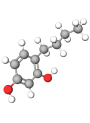
- Whitening: Adding effective whitening agents to traditional bar soap is challenging due to its high alkaline pH. Many common whitening ingredients are not stable in high pH environments and can degrade, losing their effectiveness or even forming undesirable byproducts. For example, Alpha Arbutin can break down into hydroquinone in high alkaline conditions, which can be irritating and is a regulated substance. While Activated Resorcinol is more stable in alkali than some other whitening agents, its efficacy in a short-contact soap application is limited, and it may still cause discoloration of the soap base over time. Due to these stability issues in high pH, achieving significant and reliable skin whitening from a bar soap is difficult. For effective skin whitening, leave-on products like serums or creams formulated at appropriate pH levels with stable whitening agents are generally more suitable.
In summary, your formula is good for moisturizing, and the method is generally appropriate for melt-and-pour soap (though checking with the base supplier is recommended). The formula is not expected to provide significant exfoliation or whitening. Adding effective whitening agents to bar soap is problematic due to the high pH.
Related Products Mentioned
Alpha Arbutin (Switzerland)
Olive Oil (Extra Virgin)
Glycerin (USP/Food Grade)
Sodium Lactate (60% Liquid, Natural)
Fractionated Coconut Oil