Mineral Powder Formulation for Oily and Dark Skin
Question
Could you provide a guide on formulating mineral face powder specifically for oily and dark skin tones? I would like to understand the types of ingredients needed, their general proportions, how to adjust the color for dark skin using pigments like Iron Oxides (Yellow, Red, Black), and the basic mixing procedure. I am interested in using ingredients such as Sericite Powder, Mica Powder, Kaolin, Anti-Caking Silica, Zinc Oxide, Titanium Dioxide, Magnesium Stearate, and Iron Oxides.
Answer
Mineral Powder Formulation Guide for Oily and Dark Skin
Based on your request for mixing mineral face powder for oily and dark skin, and the ingredients commonly used in such formulations, here is a general guide. Please note that the exact proportions may need adjustment based on your specific ingredients and desired outcome.
Mineral powder typically consists of several components:
- Base Powder: Provides texture, slip, and helps with application. Examples include Sericite Powder and Mica Powder.
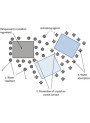
- Absorbents: Help control oil and shine, important for oily skin. Examples include Kaolin, Anti-Caking Silica, and Zinc Oxide.
- Coverage/White Pigment: Provides opacity and coverage. Titanium Dioxide is commonly used.
- Color Pigments: Used to match the powder to your skin tone. Iron Oxides (Yellow, Red, Black) are standard.
- Adhesion Promoter: Helps the powder adhere better to the skin. Magnesium Stearate is a common choice.
General Proportions (Starting Point):
These percentages are approximate and should be adjusted. For oily skin, you might increase the percentage of absorbents.
- Base Powder (Sericite, Mica, etc.): 40-60%
- Absorbents (Kaolin, Silica, Zinc Oxide): 10-25% (Adjust higher for more oil control)
- Titanium Dioxide: 5-15% (For coverage)
- Magnesium Stearate: 1-7%
- Color Pigments (Iron Oxides - Yellow, Red, Black): 1-5% (Total pigments)
Adjusting Color for Dark Skin:
Achieving the correct shade requires careful mixing and testing. For dark skin tones, you will primarily use Iron Oxides:
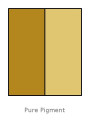
- Iron Oxides Yellow: Provides the yellow undertone.
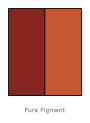
- Iron Oxides Red: Adds warmth and depth.
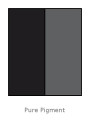
- Iron Oxides Black: Used in very small amounts to deepen the shade.
Start with a base mix of your powders (Base, Absorbents, Titanium Dioxide, Magnesium Stearate). Then, gradually add small amounts of the Iron Oxides (Yellow, Red, Black), mixing thoroughly each time. Test the color on your jawline or a piece of paper against your skin. Add more pigments as needed until you achieve a close match. Record the proportions you use so you can recreate the shade.
Mixing Method:
- Weigh out all your ingredients accurately according to your chosen proportions.
- Combine all the powders in a mortar and pestle or a cosmetic grinder.
- Grind and blend the powders thoroughly. This is crucial to ensure even color distribution and a smooth texture. Continue grinding until there are no streaks of color and the powder feels fine and uniform.
- Sift the powder if necessary to remove any clumps.
- Store your finished powder in a clean, airtight container.
Remember that creating your perfect shade takes practice. Start with small batches and adjust the pigment ratios until you are satisfied with the color match for your skin tone.
This guide provides a general framework. The specific properties of the ingredients you have purchased (e.g., particle size, coatings) will influence the final texture and performance of your powder.
Related Products Mentioned
Magnesium Stearate
Anti-Caking Silica

Mica Powder (9 Micron, Silane Coated)