Mineral Sunscreen Formulation Analysis and Mattifying Modification
Question
Could you please analyze a mineral sunscreen formula from a Thai brand that is reef-safe? I like using it because it has SPF50 PA+++, is waterproof, has a good, smooth texture that is easy to spread, doesn't feel heavy on the face, and barely leaves a white cast even though it uses non-nano filters.
However, I would like the finish to be more matte because my skin tends to be oily.
I would like to know how the formula can be simplified while maintaining the above properties, and what the suitable ratios for the ingredients would be.
The ingredient list is:
- WATER
- Zinc Oxide (NON-NANO)
- TITANIUM DIOXIDE (NON-NANO)
- C12-15 alkyl benzoate (emollient)
- Simmondsia Chinensis SEED OIL
- Cetearyl Alcohol (SOLVENT)
- BIS-PEG-12 Dimethicone
- Beeswax (Skin Conditioning)
- Niacinamide
- Cetearyl Alcohol (EMULSIFYING)
- Glyceryl Stearate (EMULSIFYING)
- PEG-100 STEARATE (surfactant)
- BIS-PEG-12 Dimethicone Beeswax
- BARBADENSIS LEAF EXTRACT
- MICA
- Laureth-7 (EMULSIFYING)
- Sodium Polyacrylate (FILM FORMING)
- C13-14 ISO Paraffin (SOLVENT)
- Sodium Hyaluronate
- Tocopheryl Acetate
- Allantoin
- HydroxyethylCellulose (EMULSION STABILISING)
Answer
Analysis of the Mineral Sunscreen Formula
This sunscreen formula is designed to be reef-safe by using only mineral UV filters: Zinc Oxide and Titanium Dioxide. The fact that it achieves SPF50 PA+++ with non-nano versions of these filters while having minimal white cast and a good texture is notable. This is often achieved through a combination of factors:
- Mineral Filter Grade: Using specific grades of non-nano Zinc Oxide and Titanium Dioxide with optimized particle size distribution and surface treatments can significantly reduce visible white cast compared to traditional non-nano powders. Ingredients like ZeoBlock (a non-nano UV-cutting Zeolite) are also known for providing UV protection with a smooth feel and no whitening.
- Emollients and Texture Modifiers: Ingredients like C12-15 alkyl benzoate, Simmondsia Chinensis Seed Oil (Jojoba Oil), and C13-14 Isoparaffin are emollients that help the product spread easily and feel smooth on the skin. Silicones like BIS-PEG-12 Dimethicone (likely a type of PEG/PPG Dimethicone or Dimethicone Crosspolymer) contribute to the silky feel and can help disperse the mineral filters evenly, further reducing white cast.
- Emulsifiers and Stabilizers: A complex system of emulsifiers (Cetearyl Alcohol, Glyceryl Stearate, PEG-100 Stearate, Laureth-7, BIS-PEG-12 Dimethicone) and thickeners/stabilizers (Beeswax, Sodium Polyacrylate, HydroxyethylCellulose) is necessary to create a stable emulsion that can hold a high concentration of mineral powders and provide a pleasant texture. Beeswax also contributes to water resistance.
- Film Formers: Ingredients labeled as "FILM FORMING" like Sodium Polyacrylate (potentially a polymer like Allianz OPT) help create a film on the skin, enhancing water resistance and wear.
- Other Beneficial Ingredients: Niacinamide (Vitamin B3) offers skin benefits like oil control and barrier support. Simmondsia Chinensis Seed Oil (Jojoba Oil), Sodium Hyaluronate, Tocopheryl Acetate (Vitamin E), and Allantoin provide moisturizing, soothing, and antioxidant properties. Mica can contribute to the texture and provide a subtle light reflection that helps blur imperfections and reduce the appearance of white cast.
The combination of these ingredients in specific ratios allows the formula to deliver high SPF/PA protection, water resistance, and a desirable texture with minimal white cast, despite using non-nano mineral filters.
Modifying for a More Matte Finish
To make the sunscreen feel more matte, you can consider incorporating ingredients known for oil absorption or shine reduction. This often involves adding powders or polymers that can absorb excess sebum.
Potential modifications could include:
- Adding Mattifying Powders: Incorporating ingredients like Silica or starches (e.g., Corn Starch, Tapioca Starch) can help absorb oil and provide a matte finish. These can be added to the formula, often in the oil or powder phase, depending on the specific type.
- Using Mattifying Film Formers: Some film-forming polymers, such as certain Acrylates copolymers (like Allianz OPT), are specifically designed to provide a matte finish and sebum control while also offering water resistance. If the current Sodium Polyacrylate is not primarily for mattifying, switching to or adding a mattifying film former could be effective.
- Adjusting Emollients: While emollients are needed for spreadability, slightly adjusting the types or levels of emolients like Jojoba Oil or C12-15 alkyl benzoate might influence the final feel, potentially opting for emollients with a drier feel if possible without compromising texture.
- Incorporating Silicone Elastomers: Silicone elastomers, such as certain Dimethicone Crosspolymers, can provide a powdery, matte after-feel and help blur the appearance of pores. The Dimethicone/PEG-10/15 Crosspolymer already in the formula might contribute to this, but optimizing its level or considering other elastomers could enhance the effect.
Simplifying the Formula and Ingredient Ratios
Simplifying a complex mineral sunscreen formula like this while maintaining its SPF/PA rating, water resistance, stability, and desirable texture is extremely difficult.
- Complexity is often necessary: Mineral sunscreens require a delicate balance of UV filters, dispersants, emulsifiers, thickeners, and film formers to ensure the mineral particles are evenly distributed (for effective protection and minimal white cast) and remain stable in the emulsion.
- Ingredient Interactions: Each ingredient plays a specific role and interacts with others. Removing or changing the ratio of one ingredient can significantly impact the stability, texture, and performance of the entire formula.
- Achieving SPF/PA: Reaching SPF50 PA+++ with mineral filters requires specific concentrations and combinations of Zinc Oxide and Titanium Dioxide, which are determined through rigorous testing. Altering these levels or the supporting ingredients that ensure their proper dispersion will affect the sun protection factor.
- Ratios Require Testing: The exact percentage of each ingredient is crucial for the formula's properties and stability. These ratios are developed through extensive laboratory formulation work, including stability testing, sensory evaluation, and SPF/PA efficacy testing. Without this testing, providing specific ingredient ratios for a simplified formula would be speculative and unlikely to yield a stable or effective product with the desired characteristics.
Related Products Mentioned
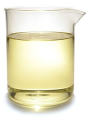
Vitamin E (Tocopheryl Acetate)
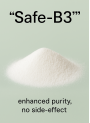
Safe-B3™ (Vitamin B3, Niacinamide)

Allantoin
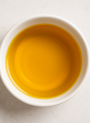
Jojoba Oil (Golden - Deodorized)
Cetearyl Alcohol (50/50, e.q. Lanette O)

Laureth-7
Hydroxyethyl Cellulose (HEC) (4500mPa.s)
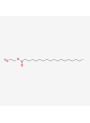
PEG-100 Stearate
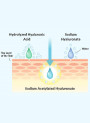
ZeoBlock™ (UV-Cutting Zeolite, Non-Nano)
ISO-Lite Medium (C13-16 Isoparaffin)