Mixing Alpha Arbutin and Vitamin C into Existing Lotion/Serum
Asked by: artnwp
On: September 11, 2017
Product Type:
Cosmetics
Answered
Question
Based on the provided information, I would like to clarify the process and considerations for adding active ingredient powders to existing cosmetic bases:
- Can Alpha Arbutin powder be added to an existing body lotion or cream?
- What is the recommended
Usage Rate(0.2% to 2%) for skin brightening (2%)? - How is the amount calculated (e.g.,
2 grams per 100 grams)? - What is the proper
Mixing Method, including temperature (below 30°C) and the requiredpH Suitability(between 3.5 and 6.5), and what happens if the pH ishigher than 8?
- What is the recommended
- Can Vitamin C (
L-ascorbic acid) powder be added to an existing face serum?- What is the recommended
Usage Rate(3% to 15%) for skin whitening (15%) and wrinkle reduction (3%)? - How is the amount calculated (e.g.,
15 grams per 100 grams)? - What is the proper
Mixing Method, including temperature (below 30°C) and the criticalpH Suitability(between 2.0 and 4.0, noting FDA requirement ofat least 3.5)? - What are the
Stabilityconsiderations forL-Ascorbic Acidwhen dissolved in water, and how canoxidationbe prevented?
- What is the recommended
- Is Nano White compatible with Alpha Arbutin when mixing?
Answer
Mixing Alpha Arbutin and Vitamin C into Existing Products
Yes, you can mix Alpha Arbutin powder into your existing body cream and Vitamin C (L-ascorbic acid) powder into your existing face serum. However, there are important considerations for mixing ratio and conditions to ensure effectiveness and stability.
Alpha Arbutin in Body Cream
- Usage Rate: Alpha Arbutin is typically used at a rate of 0.2% to 2%. For skin brightening, a 2% concentration is recommended.
- Calculation: To achieve a 2% concentration, you would add 2 grams of Alpha Arbutin powder for every 100 grams of body cream. If you have 50 grams of cream, you would add 1 gram of powder.
- Mixing Method: Mix the Alpha Arbutin powder into the cream in the final step of preparation, ensuring the cream's temperature is below 30°C. The pH of the final mixture should be between 3.5 and 6.5. Avoid mixing into formulations with a pH higher than 8, as this can cause the Alpha Arbutin to break down.
Vitamin C (L-Ascorbic Acid) in Face Serum
- Usage Rate: L-Ascorbic Acid is typically used at a rate of 3% to 15%. For skin whitening, a 15% concentration is recommended. For general wrinkle reduction, 3% is often used.
- Calculation: To achieve a 15% concentration, you would add 15 grams of Vitamin C (L-ascorbic acid) powder for every 100 grams of face serum. If you have 50 grams of serum, you would add 7.5 grams of powder.
- Mixing Method: Mix the Vitamin C powder into the serum in the final step, ensuring the serum's temperature is below 30°C. The pH of the final mixture is critical and should be between 2.0 and 4.0 (note that for products applied to the skin, the FDA requires a pH of at least 3.5). L-Ascorbic Acid has low stability when dissolved in water and requires careful formulation to prevent oxidation.
Nano White Compatibility
Regarding mixing Nano White with Alpha Arbutin, information about the compatibility and usage of "Nano White" is not available in our product database. Therefore, we cannot confirm if it can be safely and effectively mixed with Alpha Arbutin or provide specific usage guidelines.
Related Products Mentioned
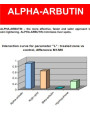
Alpha Arbutin (Switzerland)
Cosmetics
Vitamin C (L-ascorbic acid) (Ultra-Fine)
Cosmetics
Vitamin C (L-ascorbic acid) (Fine)
Cosmetics

Vitamin C (L-ascorbic acid) (Standard)
Cosmetics
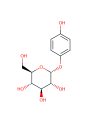
Alpha Arbutin (China, Crystal Form)
Cosmetics