Mixing Baby Foam™ and Coco-Betaine in Shampoo: Troubleshooting Texture Issues
Question
I am developing a shampoo formula using Baby Foam (Sodium Cocoyl Isethionate) and Coco-Betaine. I tried mixing them, but the texture became very thick, like pudding or paste. I used Coco-Betaine at 30% concentration. What is the correct method for mixing these ingredients to achieve the desired texture and avoid clumping? Should I adjust the concentration?
Answer
How to Mix Baby Foam™ and Coco-Betaine in a Shampoo Formula
Hello! I understand the issues you're encountering while developing your shampoo formula. Getting the right viscosity and avoiding clumping are common challenges when working with surfactants.
Based on the information you provided, the advice from the forum expert, and the product details for Baby Foam™ (Sodium Cocoyl Isethionate) and Coco-Betaine, I can confirm that these two ingredients are compatible and commonly used together in gentle shampoo formulations.
The problems you experienced likely stem from two main causes:
- High Concentration: Using Coco-Betaine at a 30% concentration is quite high for a typical shampoo formula, especially when combined with an anionic surfactant like Sodium Cocoyl Isethionate (found in Baby Foam™). The interaction between these two types of surfactants, particularly at high concentrations, can significantly increase viscosity and create the thick, pudding-like or paste-like texture you observed.
- Mixing Order and Method: Adding a dissolved surfactant (like your 1% Baby Foam™ solution) directly into another concentrated or semi-concentrated surfactant solution can lead to precipitation or clumping. Each surfactant needs adequate hydration and dispersion in water before being combined with others.
Recommended Mixing Method
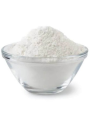
The advice from the forum expert is correct. The proper way to mix multiple surfactants, especially when one is a powder (Baby Foam™ is a powder), is to dissolve each one separately in a portion of the total water before combining the solutions.
Here are the recommended steps:
- Divide the Water: Divide the total amount of water in your formula into two portions (you can divide them equally or adjust based on the amount of each ingredient to be dissolved).
- Dissolve Baby Foam™: Add the Baby Foam™ powder to the first portion of water. Stir or agitate until the powder is completely dissolved and you have a clear or slightly cloudy solution. (Gentle warming might help the powder dissolve faster, but it's not strictly necessary).
- Dissolve Coco-Betaine and Glycerine: Add the Coco-Betaine (which is a liquid) and Glycerine to the second portion of water. Stir until well combined.
- Combine Solutions: Slowly pour the prepared Baby Foam™ solution into the Coco-Betaine + Glycerine solution while stirring gently and continuously. Avoid vigorous stirring as this will create excessive foam.
- Continue Stirring: Continue stirring gently until the entire mixture is homogeneous and uniform.
Additional Recommendations:
- Reduce Concentration: Try starting with a lower concentration of Coco-Betaine, such as 5-15%, and adjust the amount of Baby Foam™ based on your desired foam level and gentleness. Using appropriate concentrations of combined surfactants will help achieve the desired viscosity without becoming overly thick and make mixing easier.
- Viscosity Building: The combination of Baby Foam™ and Coco-Betaine will naturally contribute to the viscosity of the formula. If you need additional thickening, you can consider adding other compatible thickeners, such as a small amount of salt (Sodium Chloride) or polymer-based thickeners.
Using this mixing method ensures that each surfactant is properly hydrated and dispersed before interacting with others, reducing the chance of clumping and making it easier to control the final viscosity of your shampoo.