Mixing Hyaluronic Acid Powder and Water-Silicone Formula Compatibility
Question
I am developing a serum formula containing the following ingredients:
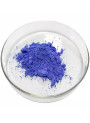
- Hyaluronic Acid (Nano Molecule) powder
- Nanowhite
- Azelaic Acid (Liquid Azelaic)
- Copper Peptide
- Silicone Gel Base (5%)
- Cyclomethicone (20%)
- Water (56.9%)
I have two main questions:
- How should I properly mix the Hyaluronic Acid (Nano Molecule) powder? Do I need to dissolve it in water first using the recommended method (shaking, refrigerating) before adding it to the other active ingredients (Nanowhite, Azelaic Acid, Copper Peptide), or can I add the powder directly into a mixture containing these other actives?
- My formula contains both a large water phase (56.9%) and silicone ingredients (Silicone Gel Base 5%, Cyclomethicone 20%). I am experiencing separation issues. What is causing this separation, and what is needed to make this type of water and silicone formula stable?
Answer
Clarification on Mixing Hyaluronic Acid and Formula Compatibility
Based on your question and the staff's response, here is the clarification on mixing Hyaluronic Acid (Nano Molecule) and the compatibility of your serum formula:
Mixing Hyaluronic Acid (Nano Molecule)
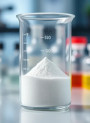
Yes, you must follow the recommended method for dissolving Hyaluronic Acid (Nano Molecule) powder in water separately before combining it with other ingredients. You cannot simply add the powder directly into a mixture containing other active ingredients like Nanowhite, Azelaic Acid, and Copper Peptide.
The correct process is:
- Take the required amount of Hyaluronic Acid (Nano Molecule) powder and add it to the designated portion of water from your formula.
- Close the container and shake vigorously for 1-3 minutes.
- Refrigerate the mixture for at least 3 hours to allow the powder to fully hydrate and form a gel. Check for any undissolved powder or sediment. If necessary, shake again and refrigerate until completely dissolved.
- Once the Hyaluronic Acid is fully dissolved and hydrated into a clear gel/solution, you can then incorporate this into the rest of your water phase containing other water-soluble ingredients like Nanowhite, Azelaic Acid (Liquid Azelaic), and Copper Peptide.
Ensure the pH of the Hyaluronic Acid solution remains between 4.0-9.0 and the temperature does not exceed 70°C during the process to maintain its quality.
Formula Compatibility Issue
The staff correctly pointed out that your formula contains both a significant water phase (56.9%) and silicone ingredients (Silicone Gel Base 5%, Cyclomethicone 20%). Water and silicone are immiscible (do not mix) and will separate without an appropriate emulsifier.
To create a stable serum or cream with both water and silicone phases, you need a water-in-silicone emulsifier. The staff's suggestion of using Warp Cream Maker is appropriate for this type of formulation. Warp Cream Maker helps to bind the water phase within the silicone phase, creating a stable emulsion.
Therefore, to make your formula stable and prevent separation, you would need to incorporate an emulsifier like Warp Cream Maker and follow the specific mixing instructions for creating a water-in-silicone emulsion, which typically involves blending the silicone/oil phase with the emulsifier first, and then gradually adding the water phase while continuously blending at high speed.
Related Products Mentioned

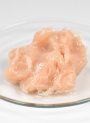
Warp Cream Maker™ (e.q. Nikkomulese wo)