Mixing Multiple Skincare Ingredients: Compatibility, Base, and Stability
Question
I have purchased the following ingredients:
SEAKLP-20G Sea Kelp BiofermentALPAR-2G Alpha ArbutinLICOR-10G Licorice Extract (Certified Organic)ETH-ASCOR-3G Ethyl Ascorbic AcidWITHAZEL-20G Witch HazelSILKPR-10G Hydrolyzed Silk Protein
Can all these ingredients be mixed together according to their recommended ratios? Specifically, can Ethyl Ascorbic Acid and Alpha Arbutin be mixed together (as I've heard they might not be very effective when combined)?
Also, these ingredients do not currently have a solvent. Can water be used as the solvent, or can they be mixed into my regular face cream?
Answer
Mixing Your Ingredients
Yes, it is generally possible to mix the ingredients you have purchased to create a custom formulation. However, it is crucial to consider the recommended usage rates and the required pH range for each ingredient to ensure stability and effectiveness.
Ingredient Compatibility and pH
All the ingredients you listed are water-soluble, making water a suitable base. The key to mixing them successfully lies in maintaining the correct pH level of the final product. Based on the product information:
- Alpha Arbutin: Requires a pH between 3.5 and 6.5.
- Licorice Extract: Requires a pH between 3.5 and 6.5.
- Ethyl Ascorbic Acid: Requires a pH between 3.5 and 6.0.
- Witch Hazel: Has a pH between 3 and 5.
- Sea Kelp Extract and Hydrolyzed Silk Protein are also water-soluble and compatible within this range.
To ensure all ingredients remain stable and effective, aim for a final formulation pH in the range of 3.5 to 5.0. You may need to use a pH adjuster if your mixture falls outside this range.
Ethyl Ascorbic Acid and Alpha Arbutin Together
Yes, Ethyl Ascorbic Acid and Alpha Arbutin can be mixed and used together. As the staff mentioned, they are compatible when used within their recommended concentration limits (Ethyl Ascorbic Acid typically up to 3%, Alpha Arbutin typically up to 2%) and within the appropriate pH range (3.5-6.0/6.5). Using them together in a properly formulated product can provide enhanced skin brightening benefits.
Choosing a Solvent/Base
- Water: Water is an excellent solvent for all your ingredients. However, as the staff noted, a simple water mixture can be difficult to apply. It is highly recommended to add a gelling agent (like Hyaluronic Acid or Xanthan Gum) to create a serum or gel texture for better application and feel.
- Existing Cream: Mixing these active ingredients into an existing cream is possible, but it is less ideal. The effectiveness and stability of the active ingredients can be compromised depending on the pH and other components already present in the cream. If you choose this method, start with a very small amount to test for compatibility (e.g., changes in texture, color, or smell) before mixing a larger batch. However, creating a separate water-based serum or gel is generally a more reliable approach.
Important Considerations
- Concentration: Adhere to the recommended usage rates for each ingredient to ensure safety and efficacy. Do not exceed the maximum recommended percentages.
- Preservation: If you are creating a water-based formula, you must include a broad-spectrum preservative to prevent microbial growth, especially since Hydrolyzed Silk Protein requires one. Water-based products without preservatives can become contaminated very quickly.
- Mixing: Add ingredients to the water base according to their solubility and recommended mixing temperatures (some extracts prefer lower temperatures). Ensure powders like Ethyl Ascorbic Acid and Alpha Arbutin are fully dissolved.
- Testing: Always test the final product on a small area of skin before applying it widely to check for irritation or adverse reactions.
By carefully controlling the pH and concentrations and including a preservative, you can create a stable and effective custom serum or gel using your ingredients.
Related Products Mentioned
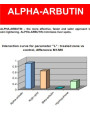
Alpha Arbutin (Switzerland)