Mixing Natural Ingredients with Cosmetic Extracts and Preservation
Question
I want to mix natural ingredients like water, coffee grounds, Phung Naka powder, aloe vera, and fresh milk with cosmetic extracts such as pure AHA, B3, and seaweed extract.
1. Can these ingredients be mixed together?
2. Regarding preservation, if I heat the mixture of water, coffee grounds, Phung Naka powder, aloe vera, fresh milk, pure AHA, and other extracts to evaporate as much water as possible (to prevent mold from moisture), will this heating process affect the activity of the extracts?
Answer
Mixing Natural Ingredients with Cosmetic Extracts
Mixing raw natural ingredients such as water, coffee grounds, 'Phung Naka' powder, aloe vera, and fresh milk directly with cosmetic extracts like pure AHA, Vitamin B3 (Niacinamide), and seaweed extract is generally not recommended for creating a stable and safe cosmetic product.
Here's why:
- Microbial Contamination: Natural ingredients, especially fresh ones like milk and aloe vera, are highly prone to bacterial and fungal growth. Without proper preservation and formulation techniques, the mixture can quickly spoil and become unsafe for skin application.
- Stability Issues: The complex and variable composition of natural ingredients can lead to unpredictable interactions with cosmetic extracts, affecting their stability, efficacy, and texture over time.
- pH Sensitivity: Many cosmetic actives, including AHA, are highly dependent on pH for their effectiveness and safety. Natural ingredients can significantly alter the pH of a mixture, potentially rendering the AHA ineffective or causing skin irritation.
- Lack of Standardization: The concentration of active compounds in raw natural materials varies greatly, making it difficult to create a consistent and effective product.
Cosmetic extracts like Vitamin B3 (Niacinamide) and seaweed extracts are designed to be incorporated into properly formulated cosmetic bases that include stabilizers, emulsifiers (if needed), and preservatives to ensure safety, stability, and efficacy.
Preservation Method Using Heat
Regarding your question about heating the mixture to remove water for preservation: This method is not suitable for preserving cosmetic formulations containing sensitive active ingredients like Vitamin B3 and seaweed extracts.
- Heat Sensitivity: Many cosmetic extracts and vitamins are sensitive to heat. For example, Sea Kelp Extract should not be heated above 60°C, and Wakame Extract should avoid heat above 40°C. While Vitamin B3 can withstand some heat, prolonged heating is not recommended. Heating the mixture to the point where most water evaporates would likely expose the extracts to temperatures and durations that degrade their beneficial properties.
- Ineffective Preservation: Simply removing water through heating does not guarantee long-term preservation, especially with the types of ingredients you mentioned. Mold and bacteria can still grow if any moisture remains or if the product is exposed to contamination after heating.
Proper cosmetic preservation relies on using effective, broad-spectrum preservatives at appropriate concentrations, maintaining the correct pH for the formulation, and ensuring hygienic manufacturing practices. Heating is not a substitute for a well-formulated preservation system in this context.
To create safe and effective cosmetic products, it is best to use cosmetic-grade ingredients and follow established formulation principles, including proper preservation methods.
Related Products Mentioned
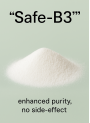
Safe-B3™ (Vitamin B3, Niacinamide)

Sea Kelp Extract