Mixing Oils for Serum: Compatibility, Shelf Life, and Texture Comparison
Question
I would like to know if the following ingredients can be mixed together:
- Perfect C 5%
- Vitamin E 0.5%
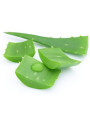
- Aloe Vera Oil 94.5%
My questions are:
- Can these ingredients be mixed together? Do I need to add a preservative?
- If mixed, what is the approximate shelf life of the product?
- Which is lighter, absorbs faster, is non-greasy, and leaves no oiliness between Aloe Vera Oil and Squalane oil?
Answer
Formulation Questions Answered
Here are the answers to your questions about mixing Perfect C, Vitamin E, and Aloe Vera Oil, their shelf life, and comparing Aloe Vera Oil and Squalane.
1. Mixing Compatibility and Preservatives
Yes, you can mix Perfect C (Ascorbyl Tetraisopalmitate) 5%, Vitamin E (Tocopheryl Acetate) 0.5%, and Aloe Vera Oil 94.5%. All these ingredients are oil-soluble and compatible in an oil-based formulation like the one you've described, which is predominantly oil (94.5% Aloe Vera Oil).
Since your formulation is almost entirely oil and does not contain a water phase, a traditional preservative to prevent bacterial or fungal growth is generally not required. Bacteria and fungi need water to survive and multiply.
Vitamin E and Perfect C both have antioxidant properties, which will help protect the oils in your formulation from oxidation and going rancid, thus extending the product's shelf life.
2. Estimated Shelf Life
The estimated shelf life of your mixed product depends on the stability of the individual ingredients and how the final product is stored.
- Perfect C (Ascorbyl Tetraisopalmitate) is a very stable form of Vitamin C, stable for at least 24 months.
- Vitamin E (Tocopheryl Acetate) is also a stable form of Vitamin E with a shelf life of at least 3 years.
- Aloe Vera Oil (Infused) is an oil, and its stability is influenced by the base oil used for infusion (in this case, Soybean Oil). Oils can oxidize over time.
With the inclusion of the stable Perfect C and Vitamin E (which act as antioxidants), the shelf life of your oil blend will be improved. However, the overall stability will likely be limited by the base oil in the Aloe Vera Oil.
To maximize the shelf life, store the product in a cool, dark place, away from heat and direct sunlight, and ensure the container is tightly sealed. Under optimal storage conditions, you can expect a shelf life of at least 6-12 months, and potentially longer, closer to the shelf life of the more stable components (2-3 years), depending on the stability of the specific Aloe Vera Oil used. Monitor the product for any changes in smell, color, or texture, which can indicate rancidity.
3. Aloe Vera Oil vs. Squalane Oil
Comparing Aloe Vera Oil (Infused) and Squalane (Olive) in terms of lightness, absorption speed, and non-greasy feel:
- Aloe Vera Oil (Infused) is described as very lightweight and is used to nourish and moisturize the skin.
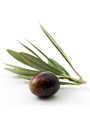
- Squalane (Olive) is known for its similarity to skin's natural sebum, allowing it to be absorbed quickly without leaving a heavy or greasy feel. It is often recommended for various skin types, including acne-prone skin, precisely because it is lightweight and non-comedogenic.
While both are relatively light oils, Squalane is generally considered one of the lightest and fastest-absorbing oils used in cosmetics, leaving a dry, non-oily finish. Aloe Vera Oil (Infused), depending on the base oil, might feel slightly less dry than Squalane, although its description also highlights its lightweight nature. For a truly non-sticky, fast-absorbing oil that leaves minimal oily residue, Squalane is often the preferred choice.
Related Products Mentioned
Vitamin E (Tocopheryl Acetate)
Squalane (Olive)