Mixing Vitamin C Powder (AA2G, L-Ascorbic Acid) with Cream/Lotion Per Use: Stability and Irritation Risks
Question
Is it acceptable to mix Vitamin C powder, such as AA2G (Ascorbyl Glucoside) or L-Ascorbic Acid, with an existing lotion or cream base right before each use? What are the potential concerns regarding stability, effectiveness, and skin irritation when using this method instead of formulating the product properly?
Answer
Mixing Vitamin C (L-Ascorbic Acid and AA2G) with Cream/Lotion Per Use
Mixing Vitamin C powders like L-ascorbic acid or Ascorbyl Glucoside (AA2G) into an existing cream or lotion right before use can help minimize the time the Vitamin C is exposed to potentially unfavorable conditions, thus reducing degradation compared to mixing a large batch for long-term storage.
However, there are still important considerations, especially regarding pH and potential skin irritation:
- AA2G (Ascorbyl Glucoside): While AA2G is a stable form of Vitamin C, its powder form is acidic when dissolved. For optimal stability in a formulated product, AA2G requires the final product pH to be in the range of 6.5-6.8. Mixing it into a base product with a significantly different pH, even for immediate use, means the AA2G is not in its most stable environment, though the short contact time lessens the impact on degradation.
- L-Ascorbic Acid: This form is less stable in water and requires a low pH (ideally 2.0-4.0, with FDA requiring at least 3.5 for leave-on products) for stability in a formula. Mixing it into a higher pH cream or lotion will lead to rapid degradation.
Risk of Irritation: The primary concern with mixing acidic powders like AA2G or L-ascorbic acid into a base product without proper formulation is the potential for skin irritation. If too much powder is added, or if the base product's pH is already low, the resulting mixture could be too acidic for the skin, causing redness, stinging, or sensitivity.
While mixing per-use reduces the stability issue over time, it does not address the immediate pH of the mixture applied to the skin or the potential for irritation from adding an acidic ingredient without pH control. Proper formulation involves measuring and adjusting the final pH to ensure both ingredient stability (where applicable) and skin compatibility.
Therefore, while mixing per-use offers some benefit in terms of reducing degradation time, it's still recommended to formulate products correctly with appropriate pH adjustment for both optimal efficacy and skin safety.
Related Products Mentioned
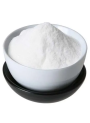
Vitamin C (L-ascorbic acid) (Fine)