Modern Cream Formulation for Jelly-Whipped Texture with High Actives
Question
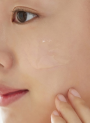
I want to create a modern cream with Shea Butter that is non-sticky, leaves no white cast, and absorbs quickly. I'm aiming for a cream-jelly texture that is bouncy like yogurt, feels lightweight and comfortable on the skin, but still looks dense and beautifully whipped like whipped cream. It should apply smoothly and allow active ingredients to penetrate the skin well.
To achieve this texture, the formulation needs to combine a water phase, an oil phase, and a gel phase. I have the following questions regarding the formulation:
- Which gelling agent should I choose? For example, can I use
Carbomer? - How can I ensure compatibility with the pH of the active ingredients, which include
Vitamin C(Ascorbic Acid),Niacinamide,Kojic Acid,Alpha Arbutin,Tranexamic Acid, and a small amount of soothing agents andMulberry Extract? - What percentage of water and oil should I use to create this specific cream texture, especially when incorporating high, full dosages of the mentioned active ingredients?
How can I formulate this product?
Answer
Modern Cream Formulation: Achieving a Light, Non-Sticky, Jelly-Whipped Texture with High Actives
To create a modern cream texture that is light, non-sticky, fast-absorbing, leaves no white cast, and has a jelly-like, yogurt-like, or whipped cream-like appearance, especially when incorporating Shea Butter and high concentrations of active ingredients, careful selection of gelling agents and precise phase ratios are crucial.
Choosing the Right Gelling Agent
For a formula containing high concentrations of active ingredients such as Vitamin C (Ascorbic Acid), which often requires an acidic pH (around 3.5), along with Niacinamide, Kojic Acid, Alpha Arbutin, Tranexamic Acid, and natural extracts like Mulberry Extract (some of which may be electrolytes or affect the formula's pH), the choice of gelling agent is paramount.
Carbomer: Generally, Carbomer 940 (ID 651) is not recommended for formulas with high electrolyte content or a pH below 5, as it can cause the gel to break or become thin. While Carbomer U21 (ID 5985) offers a wider pH tolerance (pH 5-11), it may still not be ideal for very low pH Vitamin C, and its electrolyte tolerance is not explicitly stated as "good."
Highly Recommended Gelling Agents:
- AnyGel™ (ID 1282): This gelling agent is an excellent choice for your requirements. AnyGel™ possesses exceptional resistance to acids, alkalis, and electrolytes, making it highly suitable for formulas with diverse and concentrated active ingredients. Furthermore, gels formed with AnyGel™ have a non-greasy feel, absorb quickly, and dry instantly on the skin, perfectly aligning with your desire for a non-sticky, fast-absorbing cream.
- Sepimax Zen (ID 31858): Another excellent option, Sepimax Zen is a gelling agent with high salt and pH tolerance. It effectively creates gel textures in the water phase and can also act as an emulsion stabilizer.
For Pudding/Whipped Cream Texture:
- Pro Polymer™ (Gel Maker) (ID 234): This ingredient can create a "creamy pudding" texture when used in higher amounts (above 3%) and offers good electrolyte resistance. However, it might leave a slight sticky feeling during the first 30 seconds of application before forming a thin film. If a fluffy, whipped cream texture is desired, additional mixing techniques, such as high-shear blending after emulsion formation, might be considered.
To Reduce Tackiness:
- WaterSil™ 8/12 (Water Gel Detackifier) (ID 127599): If you aim for an even smoother, less tacky feel in clear water gels, WaterSil™ 8/12 can be incorporated to enhance the silky sensation and promote faster absorption.
Water and Oil Phase Ratios
To achieve a light, comfortable cream-jelly texture with Shea Butter that is non-greasy and fast-absorbing, consider the following proportions:
- Water Phase: This should constitute the majority of your formulation, typically around 70-85% or more. This phase will house your primary gelling agent and water-soluble active ingredients.
- Oil Phase (including Shea Butter): To ensure a light, non-greasy feel, the oil phase should be kept relatively low, approximately 5-15%. Using Shea Butter in appropriate amounts will provide skin nourishment without a heavy or sticky sensation. For an exceptionally light feel, consider combining Shea Butter with fast-absorbing, lighter emollients.
Crafting the Jelly-Whipped Cream Texture
- Select Appropriate Gelling Agents: Prioritize AnyGel™ or Sepimax Zen due to their excellent tolerance to various active ingredients and pH levels.
- Phase Preparation:
- Water Phase: Incorporate your chosen gelling agent into the water phase according to the product's instructions (e.g., for AnyGel™, disperse in water and blend/stir until gel forms).
- Oil Phase: Melt Shea Butter and combine it with other oils and oil-soluble active ingredients.
- Emulsification: Gradually add the oil phase to the gelled water phase while continuously blending or stirring at a moderate speed until a uniform cream texture is achieved.
- Texture Refinement:
- Whipped Cream Fluffiness: After the cream has formed, if a fluffy, whipped cream-like texture is desired, you may briefly blend at a slightly higher speed to incorporate air. Be careful not to over-blend, which could destabilize the emulsion.
- Tackiness Reduction: If tackiness is still a concern, WaterSil™ 8/12 can be added to the water phase from the beginning to help the gel have a smoother, less sticky feel.
- Incorporating Active Ingredients:
- Water-Soluble Actives: Ingredients like Niacinamide, Tranexamic Acid, and Mulberry Extract can be added to the water phase.
- Oil-Soluble Actives: Certain forms of Kojic Acid and Alpha Arbutin can be incorporated into the oil phase.
- Vitamin C (Ascorbic Acid): Due to its highly acidic pH requirement, it should be added to the water phase after the gelling agent has formed the gel, and the formula's pH should be adjusted specifically for Vitamin C, utilizing a gelling agent that tolerates low pH well, such as AnyGel™.
Experimenting with the ratios of your gelling agent and oil phase, along with your mixing techniques, will help you achieve the exact cream texture you envision.
Related Products Mentioned
Pro Polymer™ (Gel Maker)
Carbomer 940 (EasyDisperse™, France)
AnyGel™ (Dehydroxanthan Gum)
Sepimax Zen