Modifying Sunscreen Cream Formula for Water Resistance, Texture, and Natural Ingredients
Question
I have the following sunscreen cream formula:
- Zinc Oxide 5%
- Titanium Dioxide 5%
- Cyclomethicone 15%
- Dimethicone 20%
- Light Cream Maker 1.5%
- Water 53.5%
Based on this formula, I would like to modify it to achieve the following:
- Achieve a certain level of water resistance.
- Ensure the texture is not too sticky.
- Add natural nourishing ingredients.
- Add a natural fragrance.
Is it possible to make these modifications? Please provide guidance.
Answer
Formula Improvement for Sunscreen Cream
Based on your current formula (Zinc Oxide 5%, Titanium Dioxide 5%, Cyclomethicone 15%, Dimethicone 20%, Light Cream Maker 1.5%, Water 53.5%), it is possible to modify it to achieve a certain level of water resistance, reduce stickiness, incorporate natural nourishing ingredients, and add a natural fragrance.
Here is a guideline for improvement:
1. Enhancing Water Resistance
You can add a film former that helps coat the skin to make it water-resistant without feeling overly sticky. Examples of ingredients that can be used include:
- Allianz OPT: This is a polymer that helps create a water-resistant and long-lasting film. It is easily dispersible in water, suitable for emulsion formulas.
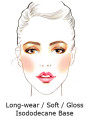
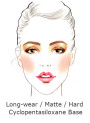
- Silicone Film (e.g., types soluble in Isododecane or Cyclopentasiloxane): These are silicone film formers that help the formula last longer, provide good water resistance, and are compatible with the existing silicone ingredients in your formula.
The choice and quantity depend on the desired level of water resistance and the skin feel after application.
2. Reducing Stickiness and Adding Natural Nourishment
Although Cyclomethicone and Dimethicone in the original formula already help with spreadability and reduce stickiness, adding certain natural nourishing ingredients can improve the feel and provide skin benefits simultaneously.
- Light Natural Oils: Such as Jojoba Oil, which has a structure similar to the skin's natural oil. It provides moisture without feeling greasy. Other light natural oils can also be used.
- Natural Butters: Such as Shea Butter Ultra Soft type, which is specially processed to be soft and non-separating. It provides intensive skin nourishment.
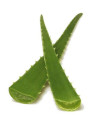
- Natural Extracts: Such as Aloe Vera Extract, which is known for soothing and moisturizing the skin. It can be added to the water phase.
Slightly reducing the proportion of silicones (Cyclomethicone, Dimethicone) and adding light natural oils or butters to the oil phase can help improve the texture.
Additionally, WaterLock™, a polymer with a structure similar to skin lipids, can help retain moisture and reduce transepidermal water loss, keeping the skin hydrated longer and potentially reducing any dry or tight feeling that some film formers might cause.
3. Adding Natural Fragrance
You can add a natural fragrance by using:
- Natural Essential Oils: Choose types suitable for skincare products and use in appropriate amounts (usually less than 1%) to avoid irritation.
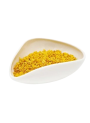
- Natural Extracts for Fragrance: Such as extracts from dried flowers for oil bases, like Dried rose petals or Dried Osmanthus Flower. These need to be extracted into an oil phase before being incorporated into the formula.
Considerations for Formula Adjustment:
- Compatibility: Adding new ingredients may affect the stability of the emulsion. Compatibility testing of all ingredients is recommended.
- Texture: The amount of film former, natural oils/butters, and silicones will significantly impact the stickiness and water resistance. Experimentation with proportions is needed to achieve the desired texture.
- Sun Protection Efficacy: Changing the proportions of other ingredients might affect the dispersion of Zinc Oxide and Titanium Dioxide, which are the main sunscreens. Sun protection efficacy testing after formula adjustment is advisable.
Formula adjustment requires experimentation and proportion adjustments to achieve the desired properties.
Related Products Mentioned
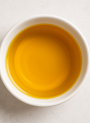
Jojoba Oil (Golden - Deodorized)
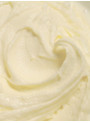
Shea Butter (Ultra Soft)
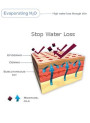
WaterLock™ (Polyquaternium-51)
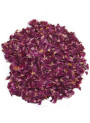
Dried rose petals (for oil-based)