Modifying Sunscreen Lotion to BB Cream: Texture, SPF, and Color
Question
I have a sunscreen lotion formula and would like to modify it. Specifically, I want to:
1. Replace 20% Dimethicone with 35% Cyclomethicone to reduce stickiness. Is this substitution possible, and what is the recommended percentage of Dimethicone to keep?
2. Adjust the SPF to 30 or 50. What percentages of Zinc Oxide and Titanium Dioxide are needed to achieve these SPF levels?
3. Add color to turn it into a BB cream. How can I create different skin tones using pigments (Iron Oxides Yellow, Red, Black, and Titanium Dioxide), what percentage should I use, and how should I incorporate them into the formula? I am also interested in adding whitening agents for actual skin whitening.
Answer
Modifying Your Sunscreen Lotion Formula
You've asked about modifying your sunscreen lotion formula, adjusting its SPF, and turning it into a BB cream. Here's a breakdown based on your questions and common formulation practices:
1. Substituting Dimethicone with Cyclomethicone
Regarding replacing 20% Dimethicone with 35% Cyclomethicone to reduce stickiness, it's important to note that completely removing Dimethicone is generally not recommended in formulas containing high levels of physical sunscreens like Zinc Oxide and Titanium Dioxide. Dimethicone helps prevent these powders from clumping over time, ensuring a stable and smooth texture.
Based on formulation advice, you should aim to keep at least 5-10% of Dimethicone in your formula. You can then replace the remaining amount of Dimethicone with Cyclomethicone or a suitable alternative like LipidSoft Cyclo or LipidSoft D5 to achieve a lighter, less sticky feel. You would need to adjust the water percentage accordingly to maintain a total of 100%.
- Recommendation: Keep 5-10% Dimethicone. Replace the remaining 10-15% Dimethicone with Cyclomethicone or a LipidSoft alternative. Adjust Water percentage.
2. Adjusting SPF to 30 or 50
Increasing the SPF of your formula requires increasing the concentration of the UV filters, which are Zinc Oxide and Titanium Dioxide in your case. However, determining the exact percentages needed to reach SPF 30 or SPF 50 is complex and depends heavily on the specific type (particle size, coating) and quality of the Zinc Oxide and Titanium Dioxide used, as well as the overall composition and manufacturing process of the formula.
Achieving a specific SPF level typically requires laboratory testing of the final product. Therefore, I cannot provide precise percentages for SPF 30 or 50 for your formula. You would need to increase the total percentage of Zinc Oxide and Titanium Dioxide and perform testing to confirm the resulting SPF.
3. Creating a BB Cream Color
To transform your lotion into a BB cream that provides coverage and adjusts skin tone, you will need to incorporate cosmetic pigments. While you mentioned wanting it to make the skin look whiter, the goal of BB cream pigments is usually to match the skin tone and conceal imperfections, not to create an unnaturally white appearance.
Titanium Dioxide, which is already in your formula for UV protection, also acts as a white pigment and contributes to coverage and brightening. To create various skin tones, you typically blend Titanium Dioxide with Iron Oxides:
- Iron Oxides Yellow
- Iron Oxides Red
- Iron Oxides Black
By mixing these three Iron Oxides with Titanium Dioxide in different ratios, you can create a wide range of shades to match different skin tones. The amount of pigment needed is usually quite low, typically ranging from 0.1% to 3% of the total formula, depending on the desired coverage and color intensity.
These pigments are available in various forms, including uncoated powders, coated powders (like Methicone-Coated for better dispersion in silicones/oils and water resistance), and pre-dispersed liquids (like ReadyMix or WaterMix types) which are easier to incorporate into formulas.
To add these pigments, they usually need to be properly dispersed in a small amount of oil or silicone phase of your formula before being incorporated into the main emulsion. Using coated pigments or pre-dispersed forms can make this step easier.
If your goal is to achieve actual skin whitening over time, you would need to add specific skin whitening active ingredients to the formula, in addition to the color pigments for the BB effect.
Related Products Mentioned
Light Cream Maker™
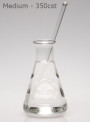
Dimethicone (Medium/350, Low-Odor)
Zinc Oxide 200nm EasyDisperse™
Zinc Oxide (Micronized)
Dimethicone (Light/50, Low-Odor)
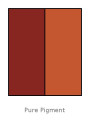
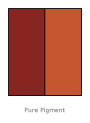
Iron Oxides Red (non-coated)
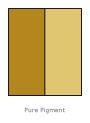
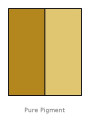
Iron Oxides Yellow (non-coated)
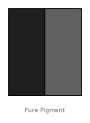
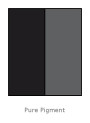
Iron Oxides Black (non-coated)
LipidSoft™ Cyclo (e.q. Cetiol Ultimate)