Modifying Underarm Serum to Cream, Reducing Irritation, and Ingredient Substitution
Question
Hello, I would like to modify the MySkin underarm serum formula into a cream texture and reduce irritation. I'm concerned about making changes myself and causing issues with the formula.
Is the original recommended serum formula stable (no issues with color or separation)?
If I change the Aluminum Chlorohydrate to Aluminum Zirconium Trichlorohydrex GLY and reduce the percentage, and also add SugarClean™ (Sugarcane Extract Deodorizer), what would be the effects? Or do you have other ingredient suggestions?
Original light deodorant serum formula:
Water Phase:
- Water to 100%
- Glycerin 2%
- Butylene Glycol 5%
- Anti-Sweat™ (Aluminum Chlorohydrate) 18%
- Cetearyl Alcohol (30/70) 1%
- Glyceryl Stearate SE / Glyceryl Monostearate SE 3%
- Stearyl Alcohol 1.5%
Oil Phase:
- Protec™ OX (Pentaerythrityl tetra-di-t-butyl hydroxyhydrocinnamate) 0.4%
- Cyclopentasiloxane (Low-Odor Cyclomethicone) 4%
- Silicone Gel (Thick & Smooth, Cyclomethicone Base) 2%
- Titanium Dioxide Transparent (15nm, Dimethicone Coated) 0.5%
- Steareth-21 1%
- Steareth-2 1.5%
Answer
Modifying Underarm Serum to Cream and Reducing Irritation
Regarding your question about converting the MySkin underarm serum formula to a cream texture and reducing irritation, along with your proposed ingredient changes:
First, regarding the original serum formula, if prepared correctly following standard emulsification procedures (heating oil and water phases and blending), it should be stable and not have issues with color or separation.
Proposed Changes and Their Effects
Your proposed changes are reasonable for achieving a cream texture and potentially reducing irritation:
Replacing Aluminum Chlorohydrate with Aluminum Zirconium Trichlorohydrex GLY: Aluminum Zirconium compounds, including Aluminum Zirconium Trichlorohydrex GLY, are generally considered more effective antiperspirants than Aluminum Chlorohydrate. This means you might achieve similar sweat reduction at a lower concentration, which can help reduce the potential for irritation. The recommended usage rate for Aluminum Zirconium Trichlorohydrex GLY is 5-25%. Reducing the percentage from the original 18% Aluminum Chlorohydrate to a lower percentage of Aluminum Zirconium Trichlorohydrex GLY (e.g., 10-15%) could be a good starting point to balance efficacy and irritation.
Adding SugarClean™: SugarClean™ is a sugarcane extract deodorizer that is effective in underarm products and dissolves in water. Adding this ingredient will help enhance odor control, which is beneficial, especially if you reduce the concentration of the antiperspirant active. It should be added in the cool-down phase (below 40°C).
Converting to a Cream Texture
The original formula already contains ingredients suitable for creating a cream texture, namely the fatty alcohols (Cetearyl Alcohol, Stearyl Alcohol) and the emulsifiers (Glyceryl Stearate SE, Steareth-21, Steareth-2). These emulsifiers are noted for their ability to handle electrolytes, which is important when working with antiperspirant salts.
To convert to a cream, you would follow a standard hot process emulsification method:
- Combine and heat the water phase ingredients (Water, Glycerin, Butylene Glycol, Aluminum Zirconium Trichlorohydrex GLY) to around 70-80°C until the antiperspirant salt is dissolved.
- Combine and heat the oil phase ingredients (Protec™ OX, Cyclopentasiloxane, Silicone Gel, Titanium Dioxide Transparent, Cetearyl Alcohol, Glyceryl Stearate SE, Stearyl Alcohol, Steareth-21, Steareth-2) to around 70-80°C until all solid ingredients are melted and the phase is uniform.
- Slowly add the hot water phase to the hot oil phase while continuously blending with a high-shear mixer until a stable emulsion forms.
- Continue blending while the mixture cools. Add SugarClean™ and any other heat-sensitive ingredients (like preservatives, fragrance) in the cool-down phase (below 40°C).
The percentages of the fatty alcohols and emulsifiers in your original formula (Cetearyl Alcohol 1%, Glyceryl Stearate SE 3%, Stearyl Alcohol 1.5%, Steareth-21 1%, Steareth-2 1.5%) should be sufficient to create a stable cream, but you may need to adjust slightly based on the desired thickness.
Further Reducing Irritation
To further reduce potential irritation, consider adding soothing ingredients to the formula in the cool-down phase. Examples include:
- Allantoin
- Bisabolol
- Panthenol (Vitamin B5)
- Oat Extract
These ingredients can help calm the skin and reduce redness or discomfort associated with antiperspirants.
By replacing Aluminum Chlorohydrate with Aluminum Zirconium Trichlorohydrex GLY at a lower percentage, adding SugarClean™ for enhanced odor control, and ensuring proper emulsification technique, you can successfully convert the serum to a cream while aiming to reduce irritation.
Related Products Mentioned
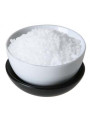
Steareth-2
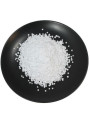
Steareth-21
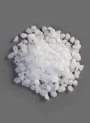
Stearyl Alcohol
Cetearyl Alcohol (30/70, eq. Lanette D)