Modifying Vitamin C Serum Formula with AHA and Silicones: Texture, pH, and Whitening Agents
Question
I would like to modify a formula, specifically based on the Skinceuticals C E Ferulic kit, by adding Glycolic Acid and including silicone components. I have several questions:
- I want to add
Glycolic Acid (AHA) 100% Powderat a concentration of 10% in a 2g formula. My calculation is to add 0.2g of the powder to 1.8g of water. Is this correct? Can Glycolic Acid be added to a formula based on the Skinceuticals C E Ferulic kit? If so, what effects will it have on the formula? - I want to adjust the texture of the product to be like a serum, starting from the Skinceuticals C E Ferulic kit formula, by adding:
Cyclomethicone / Cyclopentasiloxane (Low-Odor)10%Silicone Gel Base (Ultra Clear)5%SiliSolve Plus™1%
Will the resulting product texture be very thick? If I do not includeSilicone Gel Base, what will the texture be like?
- Can
SiliSolve Plus™be used to replaceLaureth-23? - In the original Skinceuticals C E Ferulic kit formula,
Triethanolamineis used at 2.5g. How is this amount calculated? When I modify the formula by adding Glycolic Acid and silicone components, will the amount of TEA needed change? - Can you recommend any
whiteningagents that can be adapted for use with the Skinceuticals C E Ferulic kit formula?
Finally, I have questions about ingredient grouping for future knowledge:
Glycerinis typically mixed in the water phase. In the Skinceuticals C E Ferulic kit formula, it is listed in Group B. Why is this? If I modify the formula by adding silicones, can I still group ingredients according to the original formula's grouping?Ferulic Acidneeds to be dissolved inEthoxydiglycol. Why is it not necessary to dissolve them together beforehand in the Skinceuticals C E Ferulic kit formula? If I addsiliconecomponents to the formula, can I still group ingredients according to the original formula's grouping?
Answer
Formula Modification and Ingredient Properties
1. Adding Glycolic Acid (Glycopure™)
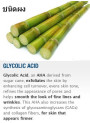
Your calculation for adding Glycolic Acid (Glycopure™) at a 10% concentration in a 2g total formula is correct: 0.2g of Glycolic Acid powder mixed with 1.8g of water results in a 10% solution (0.2g / 2.0g = 0.1 or 10%).
You can add Glycolic Acid to a formula based on the Vitamin C E Ferulic kit. However, there are important considerations:
- pH Level: Glycolic Acid is most effective at a low pH (ideally 2.5-4.0). The Vitamin C (Ascorbic Acid) in the original formula also requires a low pH for stability and efficacy. Combining them will result in a very low pH formula.
- Irritation: The combination of Ascorbic Acid and Glycolic Acid at a low pH can significantly increase the potential for skin irritation.
- FDA Regulations: For consumer products, the FDA limits Glycolic Acid concentration to not more than 10% and the product pH must not be lower than 3.5. Ensure your final formula meets these requirements.
- Stability: While Ferulic Acid helps stabilize Vitamin C and E, adding Glycolic Acid might affect the overall stability of the formula. Avoid heating Glycolic Acid above 60°C during mixing.
2. Adjusting Texture with Silicones
Adding Cyclopentasiloxane (Low-Odor Cyclomethicone), Silicone Gel (Ultra Clear, Super Silky), and SiliSolve Plus™ as proposed will likely result in a serum texture.
- Cyclopentasiloxane is a light, fast-evaporating silicone that provides a smooth, non-sticky feel and helps with spreadability.
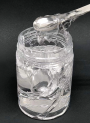
- Silicone Gel (Ultra Clear, Super Silky) is a crosspolymer gel that acts as a thickener in silicone/oil phases, providing a silky, smooth, and potentially matte finish.
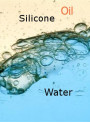
- SiliSolve Plus™ is a W/O/Silicone emulsifier that helps bind the water phase with the silicone and oil phases, enabling the formation of a serum or cream texture depending on the ratios.
With these ingredients, you can expect a texture that is smoother, silkier, and potentially less watery than the original formula, leaning towards a serum feel.
If you do not include the Silicone Gel (Ultra Clear, Super Silky), the resulting texture would be less viscous and less "gel-like". Cyclopentasiloxane is a very light liquid, and while SiliSolve Plus™ will still emulsify, the thickening and silky/matte feel provided by the crosspolymer gel would be reduced or absent. The texture would likely be a much lighter, more fluid serum or even a watery liquid depending on the other ingredients.
3. SiliSolve Plus™ vs. Laureth-23
SiliSolve Plus™ and Laureth-23 are different types of emulsifiers and are not directly interchangeable.
- SiliSolve Plus™ is a W/O/Silicone emulsifier designed to combine water with oil and silicone phases, typically used for W/Si or W/O/Si emulsions. It dissolves in silicone and oil.
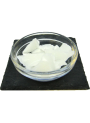
- Laureth-23 is an emulsifier (likely O/W) that helps combine oil and water phases to form creams or lotions. It is a solid that needs to be heated and mixed into the oil phase. It dissolves in both water and oil.
Using SiliSolve Plus™ instead of Laureth-23 would fundamentally change the type of emulsion and the required formulation method. They serve different purposes in a formula.
4. Triethanolamine (TEA) Calculation
The amount of Triethanolamine (TEA) in a formula is used to adjust the pH by neutralizing acidic ingredients. The 2.5g mentioned in the original formula is likely a percentage (2.5%) of the total formula weight, not a fixed weight for any formula size.
The amount of TEA needed is not a fixed value but depends on:
- The total amount and strength of all acidic ingredients in the formula (Ascorbic Acid, Ferulic Acid, Glycolic Acid).
- The desired final pH of the product.
Yes, if you add Glycolic Acid (which is acidic) and change the overall composition by adding silicones, the amount of TEA required to reach your target pH will change. You will need to measure the pH of your modified formula and add TEA gradually to adjust it to the desired level (keeping in mind the FDA pH limit for AHA products).
5. Recommended Whitening Agents
Considering your base formula contains Vitamin C, E, and Ferulic Acid, and you are aiming for a serum texture potentially incorporating silicones, here are some suitable whitening agents:
- Tranexamic Acid (Trans-White™): This is a water-soluble ingredient that works well for brightening and reducing blemishes. It is compatible with a wide pH range (3-8) and dissolves directly in water, making it easy to incorporate into the water phase of your serum.
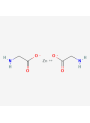
- Z-White™ (Zinc Glycinate): This water-soluble agent works by inhibiting enzymes involved in pigment production. It dissolves in water and can be added to the water phase.
- GlyciWhite™ (Glycinamide HCL): Another water-soluble ingredient that counteracts melanin production and is gentle on the skin. It dissolves in water and should be added to the water phase, avoiding heat above 60°C.
These water-soluble options are generally easier to incorporate into serum formulations, especially those with a significant water phase or a water-in-silicone/oil structure created with SiliSolve Plus™.
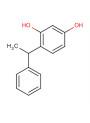
Phenylethyl Resorcinol (SymWhite 377) is also a potent whitening agent that dissolves in oil. If your modified formula has a substantial silicone/oil phase, it could potentially be incorporated, but its optimal pH range (4-5) and compatibility with the low pH required for Vitamin C/Glycolic Acid would need careful testing.
6. Ingredient Phase Grouping
Understanding ingredient phases is crucial for successful formulation.
Glycerin: Glycerin is highly soluble in water and is typically added to the water phase (water-phase). If it was listed in "Group B" in the original Skinceuticals kit instructions, it might be due to a specific step in their manufacturing process or to ensure proper dissolution with other ingredients in that particular group. It does not change its fundamental property as a water-soluble ingredient. When you modify the formula, you should generally add Glycerin to the water phase.
Ferulic Acid: Ferulic Acid (Pure-Ferulic Acid™) is not soluble in water but is soluble in solvents like Ethoxydiglycol or ethanol. The original formula instructions likely involve dissolving Ferulic Acid in Ethoxydiglycol (or a phase containing it) before combining it with other parts of the formula. It is essential to dissolve Ferulic Acid in a suitable solvent like Ethoxydiglycol before incorporating it into your formula; you cannot simply add the powder to the water phase.
When you add silicones and potentially create a W/Si or W/O/Si emulsion using SiliSolve Plus™, you will have distinct phases:
- Silicone/Oil Phase: This is where oil-soluble and silicone-soluble ingredients go, such as Cyclopentasiloxane, Silicone Gel Base, SiliSolve Plus™, Vitamin E, and Ferulic Acid (dissolved in Ethoxydiglycol).
- Water Phase: This is where water-soluble ingredients go, such as water, Glycerin, Glycolic Acid, Vitamin C (Ascorbic Acid), and water-soluble whitening agents like Tranexamic Acid, Z-White™, or GlyciWhite™.
The mixing procedure for SiliSolve Plus™ involves blending it into the silicone/oil phase and then gradually adding the water phase while mixing. This structure will dictate how you group and combine your ingredients.
Related Products Mentioned
Vitamin C E Ferulic
Pure-Ferulic Acid™
Ethoxydiglycol (e.q. Transcutol)
Triethanolamine 99%
Laureth-23
Glycerin (USP/Food Grade)
Silicone Gel (Ultra Clear, Super Silky)
Glycopure™ (Glycolic Acid (AHA) Powder)
SiliSolve Plus™
Tranexamic Acid (Trans-White™)
Z-White™