Moisture and Clumping Issues with Powdered Ingredients
Question
We stored the products exactly as indicated on the bottle label, following the temperature recommendations provided by the company. We even stored them in genuine Super Lock containers with 5 bags of Silica gel. However, our Prebiotic ingredient still absorbed moisture, while other ingredients remained fine powder without issues. This is not the first time this has happened. We ordered Blue Mica which clumped at room temperature, but the yellow and red mica remained powder and didn't change color. We are trying our best to store them properly. We emailed to request a claim but were denied, even though the warranty had not expired. We have encountered problems like this multiple times. What should we do?
Answer
Addressing Moisture Issues in Cosmetic Ingredients
It sounds very frustrating to have your ingredients affected by moisture despite following the recommended storage and using silica gel. Some cosmetic ingredients, particularly certain powders like prebiotics and micas, can be highly sensitive to humidity even under seemingly good conditions.
Based on the product information:
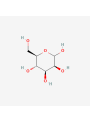
- Prebio-care (Skin Prebiotic) and Prebio-Man (D-Mannose Skin Prebiotic) descriptions explicitly warn to "Beware of humidity" and "seal tightly" when storing long-term in a cool place away from sunlight.
- Blue Mica blue (size A) storage suggests keeping at room temperature away from sunlight and heat. While humidity isn't explicitly mentioned, clumping in powders is a common sign of moisture absorption. Different pigments or particle sizes can react differently to environmental conditions, which might explain why your yellow and red micas are unaffected.
- Anti-Caking Silica is specifically designed to absorb moisture and prevent clumping, confirming that moisture is a known issue for powders.
Even with standard precautions like using Super Lock containers and silica gel, very hygroscopic materials can still absorb enough moisture from the air each time the container is opened, or if the seal isn't absolutely perfect, to cause clumping over time, especially in humid climates.
Here are some suggestions to try and further protect your sensitive ingredients:
- Enhance Airtightness: While Super Lock is good, consider using containers with a stronger seal, such as those with rubber gaskets or even vacuum-sealable bags or containers if you have access to them.
- Increase Desiccant: Add more silica gel packets than you currently use, or consider using a different type of desiccant if available. Ensure the silica gel is fresh and hasn't reached its absorption capacity (some types change color when saturated). You can often reactivate silica gel by drying it in a low oven.
- Minimize Exposure: Open the containers only when necessary and close them immediately. The less time the powder is exposed to ambient air, the better.
- Control Environment: Store these particularly sensitive ingredients in the driest, coolest area possible. An air-conditioned room is generally better than a non-conditioned space. If you have a small dehumidifier, storing them in a cabinet in a dehumidified room could help significantly.
- Consider Packaging: If you purchase large quantities, consider dividing them into smaller, well-sealed containers upon arrival to minimize the exposure of the bulk material each time you need a small amount.
Implementing stricter moisture control measures should help preserve the quality of your ingredients going forward.
Related Products Mentioned
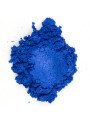
Blue Mica blue (size A)

Prebio-care (Skin Prebiotic)
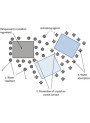
Anti-Caking Silica