Moisturizing, Whitening Ingredients, and Vitamin Beads in Cream Formulation
Question
I have questions regarding formulating a cream:
- What are some of the most stable and effective moisturizing and skin-softening ingredients?
Can I combine multiple moisturizing ingredients in a single cream formulation? - What are some of the most effective and stable skin whitening ingredients currently available?
- Does the company sell vitamin beads?
Answer
Answers to Your Formulation Questions
Here are the answers to your questions regarding moisturizing, whitening ingredients, and vitamin beads:
1. Best and Most Stable Moisturizing and Skin-Softening Ingredients
There isn't a single "best" moisturizing or skin-softening ingredient, as different ingredients offer varying properties and benefits suitable for different skin types and formulation goals. The best choice depends on the desired texture, feel, and specific needs of the skin.
Key types of moisturizing and skin-softening ingredients include:
- Emollients: These fill the gaps between skin cells, making the skin surface feel smooth and soft. Examples include various types of LipidSoft (such as LipidSoft Palm, LipidSoft Moist) and Mineral Oil.
- Humectants: These attract water from the environment and deeper skin layers to hydrate the surface. An example is MOIST24.
- Occlusives: These form a barrier on the skin surface to prevent water loss. Mineral Oil is an example.
- Ingredients with multiple functions: Some ingredients can provide both moisturizing and other benefits, like VersaMoist, which helps with moisture retention and ingredient penetration.
Yes, you can definitely combine multiple moisturizing and skin-softening ingredients in a single cream. In fact, combining different types (humectants, emollients, occlusives) is a common and effective strategy in formulation to provide comprehensive hydration, improve skin barrier function, and achieve a desirable texture and feel.
2. Best and Most Stable Skin Whitening Ingredients
Similar to moisturizers, the "best" whitening ingredient depends on the target mechanism and desired intensity. Stability is also a crucial factor. Several effective and stable whitening ingredients are available, each working through different pathways to reduce melanin production or transfer.
Some notable stable and effective whitening ingredients include:
- Activated Resorcinol (4-Butyl Resorcinol): Highly effective at inhibiting tyrosinase activity, a key enzyme in melanin production. It is considered very potent but should be used within recommended concentrations (up to 1% in leave-on products) to avoid irritation. It is light-sensitive and finished products should be protected from light.
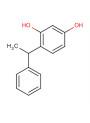
- Phenylethyl Resorcinol (e.q. SymWhite 377): Another highly effective tyrosinase inhibitor, often highlighted for its safety profile compared to some older agents. It also has antioxidant properties. It is light and air sensitive and should be stored properly.
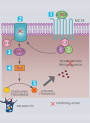
- MSH White (Undecylenoyl phenylalanine): Works by reducing Alpha-MSH, a molecule that stimulates melanin production. It can be used effectively with other whitening agents.
- ChromaWhite (Dimethylmethoxy Chromanyl Palmitate): Inhibits tyrosinase and reduces melanin production with demonstrated efficacy and good stability and safety profiles.
- Tranexamic Acid: Effective for brightening skin and reducing blemishes, particularly those caused by sun exposure. It works by reducing melanin formation.
- MelaninTerminate (Hydrolyzed Conchiolin Protein): A protein extracted from pearls that inhibits melanin production through a different mechanism (endothelin antagonist).
- Yeast Radiance (Hydrolyzed Yeast Protein): Acts as a brightener, improving skin radiance rather than making it pale. It is generally non-irritating.
Combining whitening ingredients with different mechanisms of action can often lead to enhanced results. However, it's important to check compatibility, as some combinations (like Activated Resorcinol with Alpha Arbutin or AHA) should be avoided.
3. Vitamin Beads Availability
Yes, vitamin beads are available. These are typically beads containing vitamins, such as Vitamin E. They are designed to be added to formulations, often clear products where their appearance is desired. The beads usually break upon application to the skin, releasing the encapsulated vitamin.
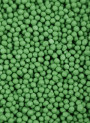
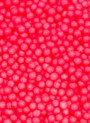
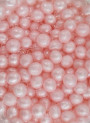
Examples include various colors and sizes of Vitamin E Beads like Green Vitamin E Beads, Red Vitamin E Beads, Pearl Pink Vitamin E Beads, and White Vitamin E Beads.
These beads are usually added in the final step of formulation and should not be exposed to excessive heat or turbulence to prevent them from breaking prematurely.
Related Products Mentioned

LipidSoft™ Palm (Ethylhexyl palmitate)
MSH White™ (Undecylenoyl phenylalanine)
Green Vitamin E Beads 0.5-1mm (Dry)
LipidSoft™ Moist (Triethylhexanoin)
MOIST24
Tranexamic Acid (Trans-White™)

Yeast Radiance™
Pearl Pink Vitamin E Beads 4mm (Wet)
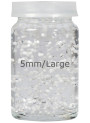
White Vitamin E Beads 4mm (Wet)

VersaMoist™