Mousse Foam Cleanser Formulation Issues and Stable Recipe
Question
I am trying to formulate a mousse foam cleanser and am encountering issues with precipitation and the foam disappearing quickly. I have questions about certain ingredients and how to achieve a stable formula.
My formula includes ingredients like Ascorbic Acid, high concentrations of Glycerin and Butylene Glycol, Xanthan Gum, Phenonip P4, BabyFoam, MakeUp-Wash, Coco Betaine, Disodium EDTA, and Water.
Could you please advise on:
- Why precipitation occurs, especially when using BabyFoam?
- How to improve foam stability so it doesn't disappear quickly?
- The role of ingredients like Ascorbic Acid in a wash-off product.
- The effect of high Glycerin/Butylene Glycol on the formula and skin feel (e.g., warming sensation).
- The function of Xanthan Gum.
- Whether Phenonip P4 at 1% is sufficient for preservation.
- How to ensure the formula is suitable for a mousse pump (liquid consistency).
- Are there ingredients like MakeUp-Wash or Butylene Glycol that might reduce foam?
Could you also provide a stable, tested formula and mixing method for a mousse foam cleanser?
Answer
Based on the formulas and the discussion:
Formula 1: Butter Scrub
The buttery texture comes from fatty alcohols (Stearyl Alcohol, Cetyl Alcohol) and emulsifiers (Ceteareth-25, Ceteareth-6, PEG 100 Stearate). The soft and slippery feel after rinsing is primarily due to the high amount of emollients, especially Paraffinum liquidum (Mineral Oil), which leaves a conditioning film on the skin.
Formula 2: Mousse Foam Cleanser
This formula uses Sodium Laureth Sulfate and Cocamidopropyl Betaine as primary cleansing and foaming agents. The non-drying and slippery feel after washing is attributed to humectants like Glycerin and conditioning polymers like Polyquaternium-39.
Regarding your questions about formulating the mousse foam:
- Ascorbic Acid: L-ascorbic acid is unstable in water and unlikely to be effective in a wash-off product. Sodium Ascorbyl Phosphate (in the original formula) is more stable, but its effectiveness is still limited in a cleanser compared to leave-on products.
- High Glycerin/Butylene Glycol: While high amounts contribute to the feel, they can cause a warming sensation. The staff's recommendation to reduce them (Glycerin 10-15%, Butylene Glycol 5%) balances the conditioning feel with potential skin comfort issues.
- Xanthan Gum: It is added to increase the viscosity (thickness) of the formula.
- Phenonip P4 1%: This concentration is sufficient for preservation.
- Mousse Consistency and Foam Stability: Mousse pumps require a liquid formula. If the foam disappears quickly, it suggests the surfactant blend isn't providing stable foam. Using primary foaming agents like BabyFoam or Sulfate Free Shampoo Base is recommended for better foam stability, as suggested by the staff. Ingredients like MakeUp-Wash and Butylene Glycol might reduce foam.
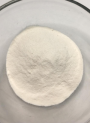
- Precipitation with BabyFoam: The white precipitate is likely undissolved BabyFoam. It needs to be fully dissolved, ideally by heating the water phase to 60-70°C and stirring gently, or dissolving BabyFoam in heated water first before adding other ingredients. The staff's tested formula and method (provided below) resulted in a stable, clear liquid.
Staff's Stable Mousse Foam Formula (Tested):
- Glycerin 10%
- Coco Betaine 10%
- Disodium EDTA 0.1%
- Phenonip P4 1%
- Water 68.9%
- BabyFoam 10%
Mixing Method (Staff's method):
- Heat Water (68.9%) to 60-70°C.
- Add Glycerin (10%), Coco Betaine (10%), and Disodium EDTA (0.1%). Stir gently until combined.
- Add BabyFoam (10%). Stir gently until completely dissolved.
- Let the mixture cool down to below 50°C.
- Add Phenonip P4 (1%). Stir gently until combined.
This formula and method were reported as stable during the staff's testing.
Related Products Mentioned
Glycerin (USP/Food Grade)
Cocamidopropyl Betaine
Cetyl Alcohol
Disodium EDTA
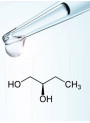
Butylene Glycol


Para-Preserve (eq. Phenonip P4)