Mousse Sunscreen Formulation (Silicone Base)
Question
I am trying to create a mousse sunscreen formulation. My previous attempts using a water-based formula with high powder content (Silica, PowderCream™, Zinc Oxide, Titanium Dioxide) resulted in a dry, pilling, and white-cast texture. I understand that a silicone-based formula, similar to a "silk cream", might be more suitable for achieving a smooth, non-pilling, yet powdery and easy-to-spread texture.
Could you provide a silicone-based mousse sunscreen formula that includes 5% Titanium Dioxide and 10% Zinc Oxide for sun protection and tone adjustment? Please also advise on the recommended mixing procedure, including the minimum stirring speed and the type of impeller (like a Dissolver/Disperse blade) needed. Additionally, clarify if the 1:1 ratio for mixing sunscreen powders with Cyclomethicone is strictly necessary in this type of silicone-based formula.
Answer
Mousse Sunscreen Formula (Silicone Base)
This formula is designed to provide a lightweight, non-greasy, mousse-like texture with sun protection and skin tone adjustment.
- Silicone Gel (Ultra Clear, Super Silky): Provides the base for the mousse texture, enhancing spreadability and leaving a soft, non-sticky, silky feel.
- Titanium Dioxide 200nm EasyDisperse™ and Zinc Oxide 200nm EasyDisperse™: These are physical sunscreen agents offering broad-spectrum UV protection. They also contribute to the tone-adjusting effect. These are coated for easy dispersion in silicone.
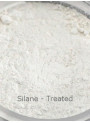
- Mica Powder (13 Micron, Matte, Silane Coated): A treated mica powder that provides a soft, smooth feel, helps with oil absorption for a matte finish, and contributes to skin tone coverage. The percentage is adjusted to accommodate the sunscreen powders.
- Cyclopentasiloxane (Low-Odor Cyclomethicone): A volatile silicone that improves the spreadability and light feel of the formula by evaporating after application.
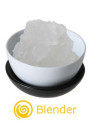
- Silicone Blender: Helps to compatibilize the different silicone ingredients in the formula, improving stability and texture.
- SiliSolve™ (PEG-10 Dimethicone, Odorless): Acts as a binder between the small amount of potential water content (from ingredients or humidity) and the silicone phase, enhancing stability.
Regarding the mixing of sunscreen powders with Cyclomethicone in a 1:1 ratio mentioned in some contexts, this is a general guideline to help disperse powders in silicone. In this formula, with a significant total silicone content from various sources, the powders will disperse effectively within the entire silicone phase. You do not need to strictly adhere to a 1:1 ratio for Cyclopentasiloxane specifically with the oxides; the percentages provided in the formula are balanced for the desired texture and performance.
Mixing Instructions
For best results and to achieve a smooth, homogenous mousse texture, using a high-speed blender with a Dissolver/Disperse impeller is recommended.
- Combine all ingredients in the blender.
- Mix at a minimum speed of 1000 rpm until the mixture is completely homogenous and has a smooth, mousse-like consistency.
If mixing manually, you can try dispersing the powders (Titanium Dioxide, Zinc Oxide, Mica Powder) into the less viscous liquid silicones like Cyclopentasiloxane first, ensuring they are fully wetted and lump-free. Then, gradually incorporate this mixture into the thicker silicone gel and other ingredients, stirring continuously until everything is evenly combined. However, achieving the desired smooth mousse texture without a high-speed mixer may be challenging.
This formula should provide a pleasant, non-greasy, mousse-like sunscreen with good spreadability and tone-adjusting properties. You can adjust the percentage of Mica Powder or add small amounts of other cosmetic pigments if you need to fine-tune the skin tone match.
Related Products Mentioned
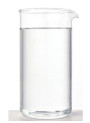
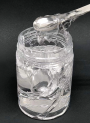
Silicone Gel (Ultra Clear, Super Silky)
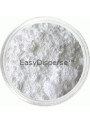

Zinc Oxide 200nm EasyDisperse™