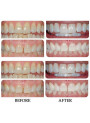
Mouthwash Formula for Enamel & Sensitivity and Teeth Whitening Gel Usage
Question
I have a proposed mouthwash formula containing Calcium Lactate, Calcium Glycerophosphate, Zinc Lactate, Hydroxyapatite, and Sodium Fluoride for strengthening enamel and reducing sensitivity. Are there redundant ingredients, is Disodium EDTA necessary (and at what percentage), and can 20nm Silver Pure be used as the sole preservative? Additionally, what is the recommended frequency for using this mouthwash (morning/night), should I rinse with water afterwards, and is there an age restriction? Separately, when using Carbamide Peroxide gel (specifically asking about 44% but likely referring to a lower concentration like 25% based on the answer), is a mouthguard required to prevent irritation to lips/gums, what frequency is recommended for whitening, should acidic/staining foods be avoided after use, and what is the proper post-use care (brushing vs. rinsing)?
Answer
Mouthwash Formula Analysis
Your proposed mouthwash formula contains several ingredients aimed at strengthening tooth enamel and reducing sensitivity. Let's break down the components and their functions:
- Calcium Lactate and Calcium Glycerophosphate: These provide calcium and phosphate ions, which are essential building blocks for tooth enamel. They support the remineralization process, helping to repair early enamel damage and strengthen the tooth surface.
- Zinc Lactate: This ingredient primarily targets bacteria in the mouth, helping to reduce plaque and combat bad breath. While its main role isn't remineralization, maintaining a healthy oral microbiome is beneficial for overall oral health.
- Hydroxyapatite: This is a synthetic version of the natural mineral that makes up tooth enamel. It can directly help to fill in microscopic surface defects on the enamel, contributing to remineralization and potentially reducing sensitivity by blocking tubules in the dentin. At 7%, it is within the recommended usage rate for oral care products.
- Sodium Fluoride: Fluoride is a well-established active ingredient for preventing tooth decay. It works by making the enamel more resistant to acid attacks and enhancing the natural remineralization process. The concentration of 0.15% is a standard therapeutic level for adult mouthwashes.
Regarding ingredient overlap: While Calcium Lactate, Calcium Glycerophosphate, Hydroxyapatite, and Sodium Fluoride all contribute to strengthening teeth and remineralization, they do so through different mechanisms. Calcium and phosphate salts provide the raw materials, Hydroxyapatite directly integrates into the enamel structure, and Fluoride enhances the enamel's resistance and the remineralization rate. Using a combination can offer a multi-faceted approach to enamel health and sensitivity reduction. It is unlikely you would need to cut any of these based on function overlap, assuming they are compatible in the formulation.
Disodium EDTA: Yes, it is generally necessary to include a chelating agent like Disodium EDTA in water-based formulations, especially mouthwash. It helps to bind metal ions present in water (even purified water can contain trace amounts) that can destabilize the formula, affect clarity, or reduce the effectiveness of other ingredients, including some preservatives. A usage rate of 0.1-0.2% is typically recommended, so 0.2% is a suitable amount.
20nm Silver Pure: Nano Silver has antibacterial properties, which can contribute to reducing bacteria in the mouth and potentially help with formula preservation by inhibiting bacterial growth. However, relying solely on Nano Silver as the only preservative might not provide broad-spectrum protection against all types of microorganisms (like yeast and mold) that can contaminate a water-based product like mouthwash. It is highly recommended to use a tested, broad-spectrum preservative system suitable for oral care products to ensure the stability and safety of the mouthwash throughout its shelf life. Nano Silver can be included for its specific benefits in addition to a standard preservative system.
Mouthwash Usage:
- Frequency: Using the mouthwash twice daily, in the morning and before bed, after brushing your teeth, is appropriate for products designed to strengthen enamel and reduce sensitivity.
- Rinsing After Use: For mouthwashes containing remineralizing agents like Fluoride and Hydroxyapatite, it is generally not recommended to rinse your mouth with water immediately after use. This allows the active ingredients to remain on the tooth surface longer, maximizing their opportunity to strengthen enamel and reduce sensitivity. You should avoid eating or drinking for at least 30 minutes after use.
- Age Restrictions: The concentration of Sodium Fluoride (0.15%) is typically intended for adults and children over a certain age (often 6 years or older, depending on local regulations and total fluoride exposure from other sources like toothpaste). Oral care products for younger children usually contain lower fluoride concentrations or are fluoride-free. It is important to check specific guidelines and regulations for oral care products regarding age suitability.
Carbamide Peroxide (Teeth Whitening)
Regarding the use of Carbamide Peroxide (assuming you are using a product like the 25% gel you searched for, as 44% is very high and typically for professional use):
- Using with a Mouthguard: Yes, Carbamide Peroxide gels, especially at concentrations like 25% or higher, are typically designed to be used with a custom-fitted or tray-based system. This helps keep the gel in contact with the tooth surface and, importantly, minimizes contact with the gums and other soft tissues in the mouth. Direct contact can cause irritation, burning, or temporary blanching (whitening) of the gums.
- Irritation without a Mouthguard: Using the gel without a tray, allowing it to spread and contact the inner lips, gums, and other oral tissues, is likely to cause irritation and discomfort.
- Frequency for Whitening: The frequency depends on the product concentration and instructions. For a 25% gel, daily use for a specific duration (e.g., 1-2 weeks) is common to achieve whitening results. Always follow the specific product instructions.
- Avoiding Acidic/Staining Foods: Yes, it is highly recommended to avoid consuming highly colored foods and drinks (like coffee, tea, red wine, berries) and acidic foods/drinks immediately after a whitening treatment. The tooth enamel can be temporarily more susceptible to staining and acid erosion.
- Post-Use Care: After using the whitening gel, you should remove the tray and rinse your mouth thoroughly with water to remove any residual gel. Avoid brushing immediately with abrasive toothpaste; a gentle rinse is usually sufficient. Follow the specific product's post-treatment instructions.
Related Products Mentioned
Disodium EDTA
Nano Silver 20nm Powder
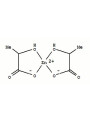
Zinc Lactate
Sodium Fluoride (anti-caries, oral care)
Calcium Lactate