MSH White Dissolution Issues and Whitening Ingredient Compatibility
Question
I am having trouble dissolving MSH White™ (Undecylenoyl phenylalanine). I tried following the directions by warming the oil, adding MSH White™, and mixing, but it seems to dissolve incompletely.
When the oil mixed with MSH White™ is warm/hot, it is liquid, but upon cooling, it becomes lumpy, similar to oil solidifying when refrigerated (but not a solid sheet).
I would like to know:
- What went wrong to cause this result?
- When mixed into the water phase, it dissolves somewhat but still shows some small pieces. If this happens, is the ingredient completely ineffective, or is its quality just reduced?
- How can I fix this issue? Both during the dissolution step and when it's already in the formula with small pieces.
- If I need a whitening ingredient with a similar or complementary mechanism to MSH White™ but is water-soluble, what would you recommend?
- In a formula, if I use the following whitening ingredients, are any of them redundant or unnecessary?
- Lemon Skin™
- MSH White™
- Sym-White™
- Hydro-White™
Thank you in advance.
Answer
MSH White Dissolution and Usage
Based on the product description for MSH White™ (Undecylenoyl phenylalanine), it is an oil-soluble powder that requires heat to dissolve.
Why did it solidify?
MSH White™ needs to be dissolved in oil or the oil phase of your formulation using heat, specifically at 80°C, until it is completely clear. The solidification you observed upon cooling suggests that the MSH White™ either did not fully dissolve at the temperature you used, or the concentration of MSH White™ exceeded its solubility limit in the specific oil you chose at room temperature. When the temperature dropped, the undissolved or excess MSH White™ precipitated out, causing the mixture to solidify or become lumpy.Quality when not fully dissolved?
If MSH White™ is not fully dissolved and remains as particles or lumps in the final product, its effectiveness will be significantly reduced. The ingredient needs to be properly dissolved and dispersed in the formulation to ensure it can be absorbed by the skin and exert its intended effect. An undissolved ingredient will not provide the full whitening benefit.How to fix the issue?
- During the dissolution step: Ensure you heat the oil phase containing MSH White™ to a consistent 80°C and maintain this temperature, stirring or mixing, until the powder is completely dissolved and the oil phase is clear. Do not proceed to mix with the water phase until dissolution is complete. The description also mentions it can dissolve in alcohol at 60°C or in a high pH (>8) solution, but dissolving in the oil phase at 80°C is the standard method described.
- When already in the formula with small pieces: If you have already combined the phases and see small pieces, it indicates incomplete dissolution. Re-heating the entire mixture carefully might help re-dissolve the MSH White™, but this could potentially affect the stability or effectiveness of other ingredients in your formulation, especially heat-sensitive ones. The best approach is to prevent this by ensuring complete dissolution in the oil phase beforehand. If the product is already finished with visible particles, its efficacy is likely compromised.
Water-soluble alternatives with similar or complementary mechanisms?
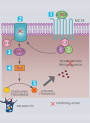
MSH White™ works by reducing Alpha-MSH, which is a different mechanism than most whitening ingredients that inhibit tyrosinase.- Hydro-White™ (Hydroxyphenoxy propionic acid) is water-soluble and has a mechanism that inhibits the release of melanin by melanocytes, rather than inhibiting tyrosinase or reducing Alpha-MSH. While not the same mechanism as MSH White™, it is a complementary mechanism that targets a different step in the pigmentation process and is water-soluble.
- Lemon Peel Bioferment (Lemon Skin™) is water-soluble, but it works primarily as a tyrosinase inhibitor.
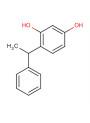
- Phenylethyl Resorcinol (Sym-White™) is oil-soluble and is a powerful tyrosinase inhibitor.
Therefore, Hydro-White™ is a water-soluble option with a complementary mechanism to MSH White™. Lemon Peel Bioferment is water-soluble but has a different mechanism (tyrosinase inhibition).
Redundancy in the list of whitening ingredients?
The list of ingredients you provided includes:- Lemon Peel Bioferment (Lemon Skin™): Tyrosinase inhibitor
- MSH White™: Reduces Alpha-MSH
- Phenylethyl Resorcinol (Sym-White™): Tyrosinase inhibitor
- Hydro-White™: Inhibits melanin release
These ingredients target different stages of the melanin production and transfer process:
- MSH White™ affects the initial signal for melanin production.
- Lemon Peel Bioferment and Sym-White™ inhibit the key enzyme (tyrosinase) involved in melanin synthesis. While both are tyrosinase inhibitors, they might have different potencies or additional benefits. Using both could provide a stronger inhibitory effect, but there is some overlap in their primary mechanism.
- Hydro-White™ prevents the transfer of melanin to skin cells.
Using ingredients with different mechanisms (like MSH White™, a tyrosinase inhibitor such as Sym-White™ or Lemon Skin™, and Hydro-White™) can offer a more comprehensive approach to targeting hyperpigmentation. While Lemon Skin™ and Sym-White™ share the tyrosinase inhibition mechanism, the combination of all four ingredients targets multiple points in the pathway and is not necessarily redundant, but rather synergistic, aiming for a more complete whitening effect.
Related Products Mentioned
Lemon Peel Bioferment (Lemon Skin™)
MSH White™ (Undecylenoyl phenylalanine)