Multi-Active Brightening Serum Formulation Challenges
Question
I want to create a serum to address significant facial dullness and hyperpigmentation. I plan to use the following active ingredients at these percentages:
- Alpha Arbutin 2%
- Azelaic Acid 10%
- Vitamin C (using Vitamin C E Ferulic Kit + Magnesium/Sodium Ascorbyl Phosphate)
- Glucosamine (N-acetyl-D) 8%
- Vitamin B3 (Niacinamide) 10%
- Kojic Acid 0.1-2%
- Lemon Peel Bioferment 0.5-5%
- Glutathione 1-3%
I use sunscreen regularly, but my face is still significantly darker than my neck. What are the challenges in combining these ingredients into one serum, and what recommendations do you have for achieving effective skin brightening results?
Answer
Addressing Skin Dullness and Hyperpigmentation
You're looking to create a serum with a powerful combination of ingredients to address significant facial dullness and hyperpigmentation. It's understandable to want effective results quickly.
You've selected several well-known skin brightening ingredients, including Alpha Arbutin, Azelaic Acid, Vitamin C (specifically mentioning a Vitamin C E Ferulic Kit and Magnesium/Sodium Ascorbyl Phosphate), Glucosamine (N-acetyl-D), Vitamin B3 (Niacinamide), Kojic Acid, Lemon Peel Bioferment, and Glutathione. You also provided desired percentages for these ingredients.
Compatibility Challenges
Combining this many active ingredients into a single, stable, and effective serum is highly complex, especially for someone new to formulation. As noted in the conversation, these ingredients have different optimal pH ranges for stability and efficacy:
- Vitamin C E Ferulic Kit: Requires a low pH (3.5-4.0).
- Azelaic Acid: Works in a broader range (5-11), but often formulated at lower pH for efficacy.
- Alpha Arbutin: Stable between pH 3.5-6.5.
- Kojic Acid: Stable around pH 5.0-6.0, but can be unstable.
- Lemon Peel Bioferment: Stable between pH 3.5-7.
- Glutathione: Stable between pH 3-6.
- Vitamin B3 (Niacinamide): Optimal pH 4.0-7.0 (stable 3-8).
- Glucosamine (N-acetyl-D): Optimal pH 3-7.
Attempting to combine ingredients with such varied pH requirements in one formula can lead to:
- Reduced effectiveness of some or all ingredients.
- Ingredient degradation or instability.
- Potential for increased skin irritation.
While the percentages you listed are generally within recommended ranges for individual use (e.g., Alpha Arbutin at 2%, Azelaic Acid at 10%, Niacinamide up to 10%, Glucosamine up to 8%), the sheer number of actives and their pH conflicts make this specific combination in one serum very challenging.
Recommendations for Skin Brightening
Given the complexity, it might be more effective and safer to start with simpler formulations or focus on combinations of ingredients known to work well together and have compatible pH ranges.
Consider focusing on a few key ingredients known for their brightening properties:
- Niacinamide and N-acetyl Glucosamine: These two ingredients work synergistically to improve skin tone and reduce hyperpigmentation, and they are generally compatible within a pH range suitable for skin (around 4.0-7.0). Niacinamide also offers benefits like reducing oiliness and strengthening the skin barrier.
- Alpha Arbutin: A well-regarded ingredient for reducing melanin production. It is generally stable in a slightly acidic to neutral pH range.
- Vitamin C: Using a stable form of Vitamin C or a pre-formulated kit like the Vitamin C E Ferulic Kit can be very effective. However, these often require specific formulation conditions and pH levels, making them best used in dedicated formulas rather than combined with many other actives.
- Azelaic Acid: Effective for brightening and reducing acne, but can be irritating and has a different optimal pH range than some other brighteners.
Instead of trying to put all ingredients into one product, you could consider using different serums or products targeting specific concerns or using ingredients with compatible pH levels in combination.
Formulation Guidance
Creating cosmetic formulations requires precise measurements, understanding of ingredient interactions, and proper techniques. As mentioned in the conversation history, detailed formulation guides are available in dedicated resources. It is highly recommended to consult these guides and start with simpler formulations to gain experience. Using distilled water is generally necessary for cosmetic formulations.
Sun Protection is Crucial
You mentioned using sunscreen regularly, which is excellent and absolutely essential when using skin brightening ingredients. However, if your face is still significantly darker than your neck despite sunscreen use, it might indicate that your current sun protection method needs review. Factors like the type of sunscreen, application amount, reapplication frequency, and exposure levels can all impact its effectiveness. Ensure you are using a broad-spectrum sunscreen with sufficient SPF and PA rating, applying enough product, and reapplying as needed, especially if exposed to direct sunlight for extended periods. Effective sun protection is the foundation of managing hyperpigmentation.
In summary, while your chosen ingredients are potent brighteners, combining all of them into a single, stable, and effective serum is difficult due to pH incompatibility and formulation complexity. Focusing on simpler, compatible combinations and ensuring robust sun protection will likely yield better and safer results.
Related Products Mentioned
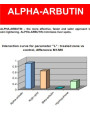
Alpha Arbutin (Switzerland)
Vitamin C E Ferulic
Safe-B3™ (Vitamin B3, Niacinamide)
GlucoBright™ (Acetyl Glucosamine)
Lemon Peel Bioferment (Lemon Skin™)

Kojic Acid