N-Acetyl Cysteine: Reducing Facial Hair vs. Strengthening Scalp Hair
Question
Based on information stating that N-Acetyl Cysteine (สังเคราะห์ Glutathione) "helps strengthen hair roots, reduces hair loss, and simultaneously helps reduce facial hair," I have a question. From my personal experience, using skin creams with ingredients that strengthen hair has caused my facial hair to become darker and grow more. How does N-Acetyl Cysteine (สังเคราะห์ Glutathione) work to reduce facial hair? I have read the brochure but couldn't understand the English, and online searches mostly show it as a supplement for skin whitening.
Answer
Understanding N-Acetyl Cysteine's Effect on Facial Hair
Thank you for your question and sharing your experience. It's understandable to be concerned about increased facial hair when using ingredients that strengthen hair.
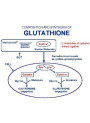
N-Acetyl Cysteine (NAC) is known for its role as a precursor to Glutathione, a powerful antioxidant. It also plays a significant role in hair health because Cysteine is a major component of keratin, the protein that makes up hair. This is why NAC can help strengthen hair roots and reduce hair loss on the scalp.
However, the information available for N-Acetyl Cysteine indicates that it has a distinct effect on facial hair. While it supports scalp hair strength, it is also noted to help reduce facial hair growth.
The exact biological mechanism by which NAC reduces facial hair growth is not detailed in the product information provided. Still, it is documented as an observed effect, differentiating it from ingredients that might cause general hair stimulation.
Therefore, unlike some other hair-strengthening ingredients you may have encountered, N-Acetyl Cysteine is specifically noted to have the benefit of reducing facial hair growth, alongside its benefits for scalp hair health.