Natural Alternatives for Propylene Glycol and Cosmetic Preservatives
Question
I am looking for natural alternatives to Propylene Glycol for my cosmetic formulation.
- Are there any directly plant-derived versions of standard Propylene Glycol?
- Could you recommend safer or more natural alternatives to Propylene Glycol, explaining their functions (e.g.,
solvent,humectant,preservative booster) and benefits? - Could you provide information on different types of natural or naturally-derived preservatives and preservative boosters suitable for cosmetic formulations, including examples and their properties?
Answer
Information on Propylene Glycol, Alternatives, and Cosmetic Preservatives
Plant-Derived Propylene Glycol
Standard Propylene Glycol used in cosmetics and food does not have a directly plant-derived version available.
Safer Alternatives to Propylene Glycol
If you wish to avoid Propylene Glycol or seek more natural alternatives, you can consider these options:
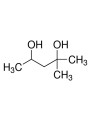
- 1,3-Propanediol (e.g., Zemea): This ingredient is produced by the fermentation of glucose from plants, making it a natural alternative. It can replace Propylene Glycol, other glycols, and Glycerin. It functions as a Humectant (helps retain moisture), a Solvent (helps dissolve other ingredients), and can also act as a Preservative Booster. It offers a better skin feel compared to standard Glycols and Glycerin.
- Butylene Glycol: This is a gentler solvent than Propylene Glycol and causes less skin irritation. It is often used as a substitute for individuals sensitive to Propylene Glycol.
- Pentylene Glycol: A solvent that can effectively replace Propylene Glycol and Butylene Glycol. It helps retain water well and has antimicrobial properties, acting as a Preservative Booster.
- Hexylene Glycol: Another solvent commonly used as a replacement for Propylene Glycol.
The choice of alternative depends on the original function of Propylene Glycol in your formula (e.g., solvent, humectant, texture enhancer).
Types of Preservatives to Consider Using
Preservatives are crucial in cosmetics to prevent microbial growth, which can spoil the product and be harmful to users. If you are looking for safer and more natural preservatives, consider these groups:
Natural / Naturally-Derived Preservatives:
- Mild Preserved Eco™: Not classified as a preservative by the FDA but has antimicrobial properties and acts as a humectant, allowing for "Preservative-Free" claims. It is a blend of Ethylhexylglycerin and 1,3 Propanediol.
- Thyme Care™: A natural preservative extracted from Thyme and Bois De Rose. It is broad-spectrum, effective against bacteria, yeast, and mold.
- PaeoniaPreserve™: A natural preservative from Paeonia root extract. Can be used alone or in combination with other preservatives.
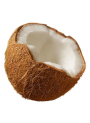
- Coco-Preserve™: A natural preservative from coconut extract. Highly water-soluble and broad-spectrum, controlling various microbes.
- NaturePreserve™ Ultra: A 100% natural preservative (Gluconolactone & Sodium Benzoate). Effective against bacteria, fungi, and yeast. Suitable for formulas with a pH of 3-6.
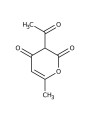
- Dehydroacetic Acid: A natural preservative effective against yeast and mold, but should be combined with other preservatives for bacterial control.
- Caprylyl Glycol: A naturally-derived ingredient from coconut, often used as a Preservative Booster to enhance the effectiveness of primary preservatives.
Preservative Boosters: Certain glycols, such as 1,3-Propanediol, Pentylene Glycol, and Caprylyl Glycol, can boost the efficacy of main preservatives, potentially allowing for lower concentrations of the primary preservative.
Preservatives to Potentially Avoid: Generally, preservatives like Parabens and Formaldehyde Releasers are often considered for avoidance nowadays due to safety concerns. However, the selection of a preservative should always consider the product type, formula pH, and require a Challenge Test to ensure sufficient efficacy against microbial contamination throughout the product's shelf life.
Related Products Mentioned
Propylene Glycol (USP)
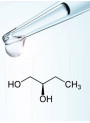
Butylene Glycol

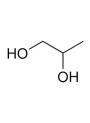
Caprylyl Glycol (1,2-Octanediol)
Mild Preserved Eco™ (Preservative-Free)
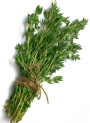
Thyme Care™ (natural preservative)

Pentylene Glycol (Low-Odor)

PaeoniaPreserve™ (Natural Preservative)