Natural Lip Balm Formulation: Color, Honey, and Formula Review
Question
I bought natural color powder and tried to mix it into my lip balm, but it doesn't dissolve and remains grainy. Should I grind it more or add water? Do I need a binder?
I want to make a natural lip balm and would like you to review my formula:
- Bee wax
- Coconut Oil (should it be cold-pressed or just oil?)
- Sweet Almond Oil
If I want to add honey, what proportion should I use, or do you have any other recommendations?
Thank you.
Answer
Natural Lip Balm Formulation Guidance
Thank you for your question regarding your natural lip balm formulation. Let's address your points about the color powder, your proposed formula, and adding honey.
Incorporating Natural Color Powder
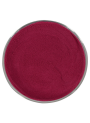
You mentioned that the natural color powder you purchased is not dissolving in your lip balm base and remains as granules. This is likely because the natural color powders you have are water-soluble. Lip balm is an oil-based product (made of oils and waxes). Water-soluble ingredients do not dissolve in oil-based formulas. This is why you are seeing undissolved particles.
For coloring lip balm, which is an oil-based product, you should use colors or pigments that are oil-soluble or can be dispersed in oil. Adding water-soluble colors to an oil-based product will not result in a smooth, even color and can cause stability issues over time.
If you wish to use color in your lip balm, consider using pigments specifically designed for oil dispersion, such as Lake colors or other oil-soluble pigments suitable for cosmetics.
Reviewing Your Proposed Formula
Your proposed ingredients - Beeswax, Coconut Oil, and Sweet Almond Oil - are excellent choices for a natural lip balm. This combination of waxes and oils will create a moisturizing and protective balm.
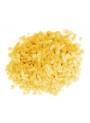
- Beeswax: Provides structure and thickness to the balm. Both Natural White Beeswax and Yellow Beeswax are suitable. For a firmer stick, you might consider combining beeswax with a harder wax, but for a pot balm or softer stick, beeswax is often sufficient.
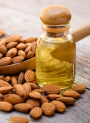
- Coconut Oil: For lip balm, Fractionated Coconut Oil is commonly used. It is a liquid form (MCT) that is lightweight, non-greasy, and has a long shelf life without going rancid, making it ideal for cosmetic formulations like lip balm. While cold-pressed virgin coconut oil can also be used, it is solid at room temperature and has a distinct scent, which may or may not be desired.
- Sweet Almond Oil: A wonderful emollient oil that helps moisturize and soften the lips.
Adding Honey
You asked about adding honey. Pure honey is water-soluble. Adding water-soluble ingredients like honey to an oil-based formula (like your lip balm) will cause the product to separate and become unstable over time. It is generally not recommended to add pure honey to a simple oil/wax balm.
If you want the benefits of honey, you might look for oil-soluble honey derivatives or extracts, but adding pure honey is not suitable for this type of formulation.
Using a Binder/Emulsifier
For your basic formula consisting only of oils and waxes, you do not need a binder or emulsifier. These ingredients will melt together when heated and solidify into a stable balm upon cooling. A binder or emulsifier would only be necessary if you were trying to incorporate water-soluble ingredients (like your water-soluble color powder or pure honey) into the oil base. However, adding a water phase requires different formulation techniques and the inclusion of preservatives to prevent microbial growth, which would change the nature of your natural, anhydrous lip balm.
General Lip Balm Making Steps
- Weigh your beeswax and oils accurately.
- Combine the beeswax and oils in a heat-safe container.
- Gently heat the mixture (using a double boiler or microwave on low heat) until all the wax is completely melted and the mixture is clear.
- If using oil-dispersible pigments, disperse them thoroughly in a small amount of the melted oil mixture before combining with the rest of the batch.
- Once melted and combined, carefully pour the liquid mixture into your lip balm containers.
- Let the lip balm cool and solidify completely at room temperature before capping or moving.
By using oil-soluble or oil-dispersible colors and sticking to oil-based ingredients, you can create a stable and effective natural lip balm.
Related Products Mentioned
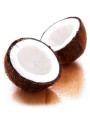
Fractionated Coconut Oil
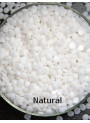
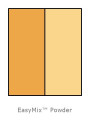
FD&C Yellow No.5 Lake EasyMix™
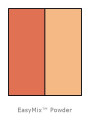
FD&C Yellow No.6 Lake EasyMix™
Yellow Beeswax
Emulsifying Beeswax (Non-Ionic, Natural)
Pumpkin Natural Water Soluble Color
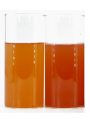
Strawberry Natural Water Soluble Color