Natural Lipstick Formulation for School Project
Question
I am making natural lipstick for a school project. My current ingredients are:
- Carnauba wax
- Rice bran oil
- Natural color from fruits, roots, or flowers
I need advice on formulating this lipstick, specifically how to incorporate the natural color and achieve a good texture.
Answer
Natural Lipstick Formulation Advice for a School Project
Hello! I understand you're working on a school project and want to make natural lipstick. That's a wonderful idea! Your current ingredients, Carnauba wax, Rice bran oil, and natural color, are a good starting point. However, to achieve a lipstick texture that applies smoothly, is comfortable to wear, and lasts well, you might need to adjust and add a few more ingredients.
Current Ingredients and Recommended Additions
Carnauba Wax: This is a hard wax derived from plants. It helps give the lipstick structure and has a high melting point, preventing the lipstick from melting easily at normal temperatures.
- Related Product: Carnauba HRPC Wax (Hydrogenated Polycyclopentadiene Carnauba Wax)
Rice Bran Oil: This is a liquid oil that provides moisture and helps the lipstick glide smoothly.
- Related Product: Rice Bran Oil (High Omega, Refined)
Natural Color (from fruits, roots, flowers): This is the most challenging part. Using color directly from fresh plants might lead to color instability (color changing or fading) and can cause the product to spoil quickly due to water content.
- Advice on Color: Instead of using fresh plants directly, I recommend using cosmetic-grade natural color powders that have been extracted and are more stable. These are usually easy to find for DIY projects. Examples include:
- Plant-based powders: Such as Beet Root Red Pigment, which gives a reddish-pink color, but be mindful of the formula's pH (should be between 4-5).
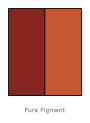
- Natural Mineral Pigments: Such as Iron Oxides (for red) or Mica Powder (for adding shimmer). Mineral pigments are highly stable, disperse well in oil, and are safe for cosmetic use.
- Advice on Color: Instead of using fresh plants directly, I recommend using cosmetic-grade natural color powders that have been extracted and are more stable. These are usually easy to find for DIY projects. Examples include:
Ingredients to Add for Texture Improvement:
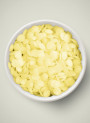
- Softer Wax: I recommend adding Beeswax. Beeswax is softer than Carnauba wax and helps make the lipstick texture smoother and easier to apply. Using a blend of waxes allows you to control the hardness of the lipstick effectively.
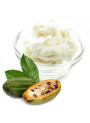
- Butter: Adding a natural butter like Shea Butter or Cocoa Butter Replacer will significantly improve the lipstick's texture, making it creamier, more moisturizing, and comfortable on the lips.
- Oil for Gloss: Castor Oil (liquid form) is popular in lipsticks because it provides a lovely gloss and slip. You could also use Jojoba Oil or Fractionated Coconut Oil.
- Antioxidant: Adding a small amount of Vitamin E can act as an antioxidant, helping to prevent the oils from going rancid and extending the shelf life of your lipstick.
Recommended Basic Formula Ingredients
A basic formula suitable for high school students that uses readily available ingredients might include:
- Waxes: Carnauba Wax + Beeswax (adjust ratio for desired hardness)
- Butter: Shea Butter or Cocoa Butter Replacer
- Oils: Rice Bran Oil + Liquid Castor Oil or Jojoba Oil/Fractionated Coconut Oil
- Color: Natural Pigment Powder (such as Iron Oxides or Beet Root Red Pigment) + Mica Powder (if shimmer is desired)
- Antioxidant: Vitamin E
Basic Making Techniques
- Measure Ingredients: Use a digital scale to weigh all your ingredients for accuracy and consistency.
- Melt Ingredients: Use a double boiler method (a heat-safe bowl placed over a pot of simmering water) to gently melt the waxes and butters. Add the liquid oils once the waxes/butters are mostly melted. Avoid direct high heat.
- Add Color: Once the oil and wax mixture is melted and combined, add your chosen color powder (it's best to grind the color finely and perhaps mix it with a small amount of oil before adding). Stir thoroughly to disperse the color evenly.
- Pour: While the mixture is still warm and liquid, stir continuously to prevent pigment settling and carefully pour it into your lipstick molds or small containers.
- Cool: Let the lipsticks cool and solidify completely at room temperature or in the refrigerator.
Making lipstick involves experimenting with the ratios of waxes, butters, and oils to achieve the desired texture. Start with a simple basic formula and adjust from there!
Regarding the staff's question about the natural color you currently have, please provide more details on what plant it comes from and whether it dissolves in water or oil. This information will help provide more specific advice.
Have fun with your project! Hands-on learning like this is incredibly valuable.
Updated Review: May 2026
This section was added after reviewing the original answer against current product availability and formulation knowledge at the stated point in time.
Update as of 2026-05-31: The main advice is still valid, but please clarify the color before formulating. Beet Root Red Pigment is a water-soluble natural color and is only stable around pH 4–5, so it is not the easiest choice for a fully oil/wax lipstick stick unless the formula is designed to accommodate it. For an anhydrous lipstick, mineral pigments such as Iron Oxides Red and Mica Powder are usually more practical because they are dispersed in the oil/wax base; they do not truly “dissolve” in oil. Also note that Carnauba HRPC Wax is a processed wax blend, not pure natural carnauba wax. If the project requires a strictly natural formula, choose waxes/butters/oils that match that requirement, such as Yellow Beeswax, Shea Butter, Cocoa Butter Replacer, and Rice Bran Oil, and add Vitamin E only as an antioxidant for the oils.
Related Products Mentioned
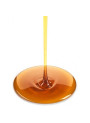
Vitamin E (dl-alpha tocopherol)
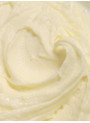
Shea Butter (Ultra Soft)
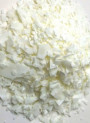
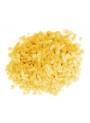
Yellow Beeswax
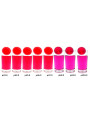
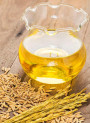
Rice Bran Oil (High Omega, Refined)
Mica Powder (9 Micron, Silane Coated)