Natural Physical Sunscreen: Non-Nano Ingredients and Stable Base
Question
I am interested in creating a natural physical sunscreen using non-nano Zinc Oxide, as I understand non-nano particles are safer due to less skin absorption.
Could you please advise on:
- Recommended non-nano UV filters available from MySkinRecipes, such as Zinc Oxide and Titanium Dioxide, and their properties?
- How to choose or create a stable cream base for a natural physical sunscreen, considering the challenges with 100% natural emulsifiers and the need for even dispersion of UV filters?
- Any suggestions for achieving a stable, effective product that can still be claimed as highly natural (e.g., "98% Natural")?
Answer
Safe and Natural Physical Sunscreen Ingredients and Base
Regarding your interest in creating natural physical sunscreen products and your research on non-nano Zinc Oxide, you are correct that non-nano particles are generally preferred for safety as they are less likely to be absorbed into the skin. MySkinRecipes offers options that align with this approach.
Recommended Non-Nano UV Filters
For a safe and effective natural physical sunscreen, the primary active ingredients are typically Zinc Oxide and Titanium Dioxide. MySkinRecipes offers non-nano versions suitable for this purpose:
- Zinc Oxide 200nm EasyDisperse™: This is a non-nano Zinc Oxide (average 200nm particle size) that is coated to disperse easily in oil or silicone bases, making it ideal for physical sunscreens. It provides excellent broad-spectrum UVA/UVB protection.
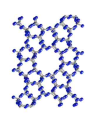
- ZeoBlock™ (UV-Cutting Zeolite, Non-Nano): This is another non-nano ingredient that absorbs UVA and UVB light. It has a smooth texture, helps boost SPF/PA, and can improve the feel of the sunscreen without causing significant whitening.
Combining both Zinc Oxide and Titanium Dioxide (if a suitable non-nano version for sunscreen is available) is often recommended for comprehensive broad-spectrum protection, as they protect against different parts of the UV spectrum.
Choosing a Base for Natural Sunscreen
Creating a truly 100% natural cream base that is stable and has a long shelf life for a physical sunscreen can be challenging. Physical UV filters like Zinc Oxide need to be properly dispersed in the base to ensure even coverage and effective sun protection.
- Oil-based or Silicone-based: Physical filters are often dispersed in oil or silicone phases, as mentioned in the description for Zinc Oxide 200nm EasyDisperse™. These bases help the powders spread evenly.
- Natural Emulsifiers: While natural emulsifiers like soy lecithin can be used to create cream bases, they may result in a shorter shelf life compared to formulations using synthetic cream makers.
For products aiming for a "natural" claim while ensuring stability and efficacy, a common approach is to use a high percentage of natural ingredients (e.g., oils, butters, plant extracts) combined with a small percentage (1-2%) of a stable cream maker that might not be considered 100% natural. This allows for a claim like "98% Natural" while achieving a stable and effective product.
When formulating, ensure the UV filters are fully dispersed in the chosen base before combining phases (if making an emulsion) to achieve maximum sun protection performance.
Related Products Mentioned
Zinc Oxide 200nm EasyDisperse™