Natural Sunscreen Formulation: Preservatives, Shelf Life, and UV Testing
Question
Hello!
I would like to make a facial sunscreen formula that is "All Natural - No toxic chemicals".
Since the formula contains Hydrosol, I need to include a preservative. Could you please recommend natural and safe preservatives?
My formula includes:
- Essential Oils
- Coconut Oil
- Almond Oil
- Carrot Seed Oil
- Zinc Oxide
- Beeswax
- Hydrosol
I would also like to know:
- How long will the product last after mixing?
- How can I check the PA+++ and UV protection level?
Answer
Recommendations for Natural Sunscreen: Preservatives, Shelf Life, and SPF/PA+++
Hello! I understand you're looking to create a natural facial sunscreen formula that includes a hydrosol, and you need recommendations for natural preservatives, information on shelf life, and how to check UV protection (PA+++).
Since your formula contains a hydrosol (water-based ingredient), adding a preservative is crucial to prevent the growth of bacteria, yeast, and mold, ensuring the safety and stability of your product.
Here are some natural preservative options that are suitable for use in formulations containing a water phase like hydrosol:
- NaturePreserve™ Ultra (Gluconolactone & Sodium Benzoate): This is a 100% natural, water-soluble preservative effective against a broad spectrum of microorganisms. It works best in formulas with a pH between 3 and 6.
- PaeoniaPreserve™ (Natural Preservative): Derived from Paeonia root extract, this is a water-soluble natural preservative. It can be used alone or in combination with other preservatives. It's best to add it in the final step of your formulation, avoiding heat above 60°C.
- Probio-Protect™ (Lactobacillus Ferment Preservative): This is a probiotic-based preservative that is water-soluble. It also offers moisturizing benefits to the skin. Like PaeoniaPreserve™, it should be added without excessive heat. Using this ingredient allows you to potentially claim your formula is "preservative-free" based on certain regulatory lists.
- Global Guard™ 221 (pH 2-7, Natural): A water-soluble, broad-spectrum natural preservative effective in a pH range of 2 to 7. It should be added when the formula temperature is lower than 45°C.
- Coco-Preserve™ (Preservative from Coconut Extract): A natural origin, water-soluble, broad-spectrum preservative effective against bacteria, yeast, and mold. It works in a pH range of 4 to 8 and should be added below 50°C.
- NaturePreserve™ LB2: Another natural origin, water-soluble, broad-spectrum preservative effective at lower pH values (2.0-6.5). It should also be added below 50°C.
When choosing a preservative, consider the pH of your final formula and the recommended usage rate for each preservative to ensure effectiveness.
Regarding the shelf life of your homemade sunscreen:
Adding a preservative significantly extends the life of your product compared to an unpreserved formula, especially one containing a water phase like hydrosol. However, the exact shelf life can vary depending on several factors:
- The specific preservative used and its concentration.
- The cleanliness of your preparation environment and equipment.
- The packaging used (airless pumps are better than jars).
- How the product is stored (cool, dark place is ideal).
- The overall formulation.
To determine the precise shelf life and ensure the safety and efficacy of your product, a challenge test performed by a laboratory is highly recommended before using or distributing the product widely. Without a formal challenge test, a typical estimated shelf life for a properly preserved homemade product stored well might range from 3 to 6 months, but this is just a general guideline.
Concerning checking PA+++ and UV protection:
The SPF (Sun Protection Factor) and PA (Protection Grade of UVA) ratings of a sunscreen indicate its level of protection against UVB and UVA rays, respectively.
- SPF measures protection against UVB rays, which cause sunburn.
- PA measures protection against UVA rays, which contribute to premature aging and long-term skin damage. PA+++ indicates high UVA protection.
Zinc Oxide is a physical sunscreen ingredient that provides broad-spectrum protection against both UVA and UVB rays. However, the final SPF and PA rating of your sunscreen formula cannot be determined simply by knowing the ingredients or their percentages.
To accurately determine the SPF and PA+++ level of your finished sunscreen product, it must undergo laboratory testing. These tests measure how well the product absorbs or reflects UV radiation according to standardized methods (either in-vivo on human volunteers or in-vitro using laboratory equipment). You cannot calculate or estimate the SPF or PA rating based on your recipe alone.
In summary, while you can formulate a natural sunscreen with ingredients like Zinc Oxide for UV protection and use natural preservatives to extend shelf life, determining the exact level of UV protection (SPF and PA+++) and the precise shelf life requires professional laboratory testing.
Here are the relevant products mentioned:
- NaturePreserve™ Ultra (Gluconolactone & Sodium Benzoate)
- PaeoniaPreserve™ (Natural Preservative)
- Probio-Protect™ (Lactobacillus Ferment Preservative)
- Global Guard™ 221 (pH 2-7, Natural)
- Coco-Preserve™ (Preservative from Coconut Extract)
- NaturePreserve™ LB2
- Zinc Oxide
- Fractionated Coconut Oil
- Sweet Almond Oil
- Natural White Beeswax
Related Products Mentioned
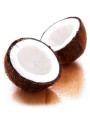
Fractionated Coconut Oil
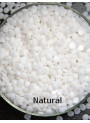


PaeoniaPreserve™ (Natural Preservative)
Global Guard™ 221 (pH 2-7, Natural)