Natural Surfactants for Sulfate-Free Shampoo Formulation
Question
I would like to inquire about making a shampoo without SLS/SLES, using natural-derived cleansing agents. Which ones should I use, and in what suitable amounts?
Also, can the following be used as primary cleansing agents instead of SLS/SLES, and what percentage should be used?
Cocamidopropyl BetaineLauryl GlucosideDecyl Glucoside
Are there any other more suitable alternatives you would recommend?
Furthermore, is Sodium Cocoyl Glycinate suitable for use in shampoo?
Thank you in advance.
Answer
Natural Surfactants for Sulfate-Free Shampoo
For creating a sulfate-free shampoo using natural-derived cleansing agents, there are several excellent options available. These surfactants are known for being gentler than traditional SLS/SLES.
Here are some suitable natural-derived surfactants and their typical usage considerations:
Cocamidopropyl Betaine: This is an amphoteric surfactant derived from coconut oil. It is very gentle and is often used as a co-surfactant to boost foam and improve the texture of the lather. It can also be used as a primary surfactant in gentle formulations at around 15-30%.
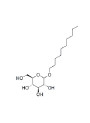
Alkyl Glucosides (e.g., Lauryl Glucoside, Decyl Glucoside, Coco Glucoside, Caprylyl/Capryl Glucoside): These are non-ionic surfactants made from vegetable oils and glucose. They are known for their extreme mildness and are suitable for sensitive skin. However, they typically do not produce abundant foam on their own and are best used in combination with other foaming surfactants. Usage rates for Lauryl Glucoside, Decyl Glucoside, and Coco Glucoside are typically 5-25%, while Caprylyl/Capryl Glucoside is used at 1-10%. Note that these glucosides often have a high pH and require adjustment with an acid like Citric Acid or Lactic Acid to be skin-friendly (pH 5-6.5).
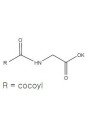
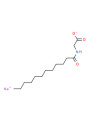
Amino Acid-Based Surfactants (e.g., Sodium Cocoyl Glycinate, Sodium Lauroyl Glycinate, Potassium Cocoyl Glycinate): These surfactants are derived from amino acids and fatty acids. They are highly gentle, provide good moisturization, and create a rich, creamy lather. Sodium Cocoyl Glycinate is suitable for use in shampoo and can be used as a primary surfactant. Usage rates for Glycinates typically range from 5-40% depending on the desired cleansing strength and foam.
Sophorolipid: This is a natural surfactant produced by fermentation. It is very gentle, provides good foam, and has good cleaning efficiency. It can be used at 1-15% (recommended 6-8%).
Sucrose Cocoate: Derived from sugar and coconut, this surfactant helps increase foam density and stability, provides a moisturizing effect, and improves the feel of the product during and after washing. It can be used at 5-30% in cleansing products.
Can Cocamidopropyl Betaine, Lauryl Glucoside, and Decyl Glucoside be used as primary surfactants?
- Cocamidopropyl Betaine can be used as a primary surfactant, especially in gentle formulations, typically at 15-30%.
- Lauryl Glucoside and Decyl Glucoside are very mild but are often used as co-surfactants to enhance the mildness of a formula or in combination with other surfactants to improve foam. While they contribute to cleansing, they might not provide sufficient lather on their own if a rich foam is desired. They can be used at 5-25%.
Is Sodium Cocoyl Glycinate suitable for shampoo?
Yes, Sodium Cocoyl Glycinate is very suitable for use in shampoos. It is a gentle, amino acid-based surfactant that provides good cleansing and a pleasant lather, leaving the hair feeling soft.
When formulating a sulfate-free shampoo, it is common to use a blend of these natural-derived surfactants to achieve the desired balance of cleansing power, foam quality, mildness, and feel.
Related Products Mentioned
Cocamidopropyl Betaine
Lauryl Glucoside
Coco Glucoside
Caprylyl/Capryl Glucoside
Sodium Cocoyl Glycinate
Decyl Glucoside
Sophorolipid (Natural Surfactant, 50%)
Sodium Lauroyl Glycinate
Potassium Cocoyl Glycinate (Pure Solid)