Natural Thickeners and Gelling Agents for Formulations
Question
I am looking for natural ingredients to use as thickeners or gelling agents in my cosmetic formulations.
- Is
Hydroxyethyl Celluloseconsidered a natural ingredient? - What are natural alternatives for creating a gel texture in a water-based formula? How should they be used (usage percentage, mixing method)?
- What are natural options for thickening or gelling formulations that contain oil, such as lotions or creams? How should they be used?
Answer
Natural Thickeners and Gelling Agents for Formulations
Here are some recommendations for natural thickeners and gelling agents based on your formulation needs:
1. Natural Gelling Agent for Water-Based Gel
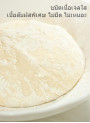
For a water-based facial gel formulation where you want a natural ingredient, Xanthan Gum is an excellent choice. It is produced naturally through the fermentation of sugar.
- Xanthan Gum (clear gel type, smooth texture):
- Properties: Creates a clear gel with a smooth, non-stretchy texture. It acts as an anionic thickener and can be used in various environments.
- Usage Rate: Typically used at 0.1-2%, with 1% being a common recommendation, depending on the desired viscosity.
- Mixing Method: It should be mixed into the water phase with high-speed stirring or blending until a complete gel texture is formed. If your formula contains oil or glycerin, you can pre-disperse the Xanthan Gum in the oil or glycerin first to help it spread better before mixing with water.
Regarding Hydroxyethyl Cellulose (or Hydroxypropyl Methylcellulose), as confirmed, these are chemical substances and would not be suitable if your goal is a purely natural claim.
2. Natural Options for Formulations Containing Oil (like Lotions or Creams)
For formulations that contain an oil phase, such as lotions or creams, there isn't a natural ingredient that functions as a gelling agent for pure oil in the same way thickeners gel water. However, for creating natural emulsions (mixtures of oil and water), Soy Lecithin is a natural option.
- Soy Lecithin (Natural Emulsifier):
- Properties: This is a natural powder derived from soy that acts as an emulsifier, helping to blend water and oil phases together, particularly for water-in-oil emulsions like creams and lotions. It functions primarily as a co-emulsifier and has limitations in efficiency when used alone.
- Usage Rate: Typically used at 3-10%, depending on the amount of water needing to be emulsified.
- Mixing Method: Dissolve Soy Lecithin in the oil phase with heat (around 80°C) and then mix this heated oil phase with the water phase.
As suggested, combining Soy Lecithin with a thickener like Xanthan Gum can help improve the stability and texture of the emulsion, making the formula more viscous and stable.
3. Natural Thickener for Non-Greasy Lotion
To create a natural lotion that is non-greasy and absorbs easily, the recommended approach is to use a natural emulsifier combined with a natural thickener. The combination of Soy Lecithin (as the natural emulsifier to create the lotion structure) and Xanthan Gum (as a natural thickener and stabilizer) is suitable. Xanthan Gum helps increase the viscosity and stability of the emulsion, which can contribute to a less greasy feel depending on the overall formulation.
By carefully selecting natural ingredients like Xanthan Gum and Soy Lecithin and following appropriate mixing methods, you can create natural gel and lotion formulations.