Naturally Derived Ingredients for Cosmetic Formulations
Question
Could you recommend naturally derived ingredients for cosmetic formulations, specifically for the functions of emulsifiers, thickeners, surfactants, preservatives, and solubilizers? What is the difference between naturally derived and naturally occurring ingredients?
Answer
Naturally Derived Ingredients for Cosmetic Formulations
When creating natural cosmetic products, selecting the right ingredients for each function is key to achieving desired texture, stability, and efficacy while adhering to a natural standard.
Emulsifiers (for mixing oil and water)
Naturally derived emulsifiers help combine oil and water phases in creams and lotions. Some options include:
- Olivem 1000: A PEG-free, non-ionic emulsifier derived from olive oil. It creates stable emulsions with a pleasant feel and offers some thickening properties. It works across a wide pH range.
- Glyceryl Stearate Citrate: A natural-derived O/W emulsifier sourced from vegetable oils like soy, rapeseed, corn, or canola. It provides a good texture and stability, is gentle on the skin, and is PEG-free. It may require a co-thickener for desired viscosity.
- Emulsifying Beeswax (Non-Ionic, Natural): A 100% natural option that acts as both an emulsifier and a thickener, particularly suitable for thicker creams, balms, or products for dry skin.
- Sucrose Cream Maker™: A 100% natural-based, nonionic O/W emulsifier from sucrose esters. It creates lightweight emulsions with a silky feel and has good compatibility with electrolytes.
- LeciCream™ (Natural Emulsifier / Cream Maker): A natural emulsifier derived from Hydrogenated Lecithin, effective for creating stable, heavier creams.
- Polyglyceryl-10 Stearate: A 100% natural O/W emulsifier that forms a lamellar structure, providing a good texture suitable for sensitive skin.
Thickeners (for increasing viscosity)
Naturally derived thickeners help achieve the desired consistency in your formulations. Consider these options:
- CreamThick™ (Hydroxypropyl Starch Phosphate): A natural-derived water thickener that is easy to use (disperses in cold water), works in a wide pH range (3-9), is resistant to electrolytes, and provides a soft, non-sticky feel. It also helps improve emulsion stability.
- CornThick™ (Corn Starch Modified For Gelling): A natural origin modified corn starch that creates a milky white water gel texture. It works in a pH range of 3-9 and is electrolyte resistant. It requires heating after initial dispersion in cold water.
- Trihydroxystearin: A natural-derived thixotropic thickener primarily used in oil or silicone-based formulations, common in makeup. It improves stability in water-in-oil emulsions and enhances color pay-off. It requires heat to dissolve.
- Pre-Gelatinized Starch (Cold-Water Soluble, 900BU): A cold-water soluble modified starch that can be used for thickening.
Surfactants (for cleansing and foaming)
Naturally derived surfactants are used in cleansing products to create lather and remove dirt and oil. Options include:
- Sophorolipid (Natural Surfactant, 50%): A natural origin surfactant produced by fermentation. It is gentle on the skin, provides good foam and cleaning efficiency, and can also act as a makeup remover and solubilizer.
- Sucrose Cocoate (Sugar + Coconut Surfactant): A natural surfactant derived from sugar and coconut oil. It boosts and stabilizes foam, provides re-fatting and moisturizing effects, improves skin feel, and has some thickening properties.
- Sodium Cocoyl Glycinate: Derived from amino acids, this gentle surfactant provides good lather and a moisturizing feel, suitable for body and hair cleansing products.
- Potassium Cocoate (30%): Produced from coconut oil, this provides good foaming and high cleaning efficiency, often used in makeup remover or cleansing formulas.
- Potassium Laurate (30%): Derived from lauric acid, used in skin cleansing formulas.
- Sodium Lauroyl Lactylate (Gentle Anionic Surfactant): A natural and bio-renewable surfactant that is nitrogen and sulfate-free. It functions as a viscosity builder, emulsifier, foam booster, and provides skin feel enhancement. It is mild and suitable for both rinse-off and leave-on products.
Preservatives (for product stability and safety)
To ensure the safety and shelf life of your natural formulations, effective preservation is crucial. Naturally derived preservatives help inhibit microbial growth.
- NaturePreserve™ LB2: A natural origin, water-soluble broad-spectrum preservative effective against bacteria and fungi, particularly at low pH values (2.0-6.5).
PaeoniaPreserve™ (Natural Preservative): Extracted from the Paeonia root, this natural preservative is effective against infection and has a mild natural scent. It can be used alone or in combination with other preservatives. Avoid heat above 60°C during formulation.
NaturePreserve™ Ultra (Gluconolactone & Sodium Benzoate): A 100% natural preservative effective against bacteria, fungi, and yeast. It is a powder and works in a pH range of 3-6. Do not use it with L-Ascorbic Acid (Vitamin C).
- Coco-Preserve™ (Preservative from Coconut Extract): A natural origin preservative from coconut extract. It is water-soluble, broad-spectrum, and works in a pH range of 4-8. Avoid heat above 50°C.
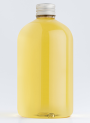
- Global Guard™ 221 (pH 2-7, Natural): A natural, water-soluble, broad-spectrum preservative approved globally. It is effective at low usage rates and works in a pH range of 2-7. Add it when the cosmetic temperature is below 45°C.
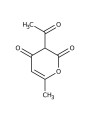
- Dehydroacetic Acid (99% Powder, Natural Preservative): A natural preservative particularly effective against yeast and molds. It should be used with other preservatives that target bacteria. It is soluble in alcohol.
- Mild Preserved Eco™ (Preservative-Free): While not classified as a preservative by the FDA, this ingredient (a blend of Ethylhexylglycerin and Propanediol) effectively controls bacteria and acts as a humectant. It is gentle, odorless, works in a pH range of 4-9, and can withstand heat up to 80°C for short periods.
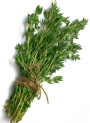
- Thyme Care™ (natural preservative): A natural preservative derived from Thyme and Rosewood, effective against bacteria. It has a natural thyme scent and works in a wide pH range (2-10). It can withstand heat up to 80°C for up to 15 minutes.
Solubilizers (for mixing oil into water)
Solubilizers help disperse small amounts of oil-soluble ingredients, such as fragrances or essential oils, into water-based formulations, creating clear solutions.
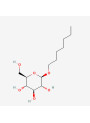
- Heptyl Glucoside: A high HLB emulsifier and solubilizer derived from sugar and castor oil. It is effective at dissolving oil-soluble ingredients in water and is considered natural origin.
- Flora Solve™ Clear (Fragrance Solubilizer): Specifically designed to solubilize fragrance and essential oils in water or water gels without using alcohol. It creates clear microemulsions and is colorless and odorless.
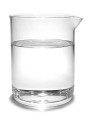
- Eco Solve™: A high-performance blend that effectively dissolves various oils, including fragrances, essential oils, organic sunscreens, and oil-soluble vitamins, into water, providing clarity.
When formulating with naturally derived ingredients, it is always recommended to perform challenge testing to ensure the stability and safety of your final product.
Related Products Mentioned

Mild Preserved Eco™ (Preservative-Free)
Thyme Care™ (natural preservative)

PaeoniaPreserve™ (Natural Preservative)
Trihydroxystearin (USA, e.q. Thixcin R)
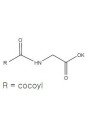
Sodium Cocoyl Glycinate
Potassium Laurate (30%)
Potassium Cocoate (30%)
Polyglyceryl-10 Stearate
Sophorolipid (Natural Surfactant, 50%)

Heptyl Glucoside
Emulsifying Beeswax (Non-Ionic, Natural)
Global Guard™ 221 (pH 2-7, Natural)
Eco Solve™ (Clear, Powerful Solubilizer)