Necessity of Tocopherol T-95 when using Protec SQ and Protec OX
Asked by: Anonymous
On: April 04, 2026
Product Type:
Cosmetics
Answered
Question
If using Protec SQ and Protec OX in a formula with Tetra C and CO Q10, do you still need to incorporate Tocopherol T-95?
Answer
When using Protec™ SQ and Protec™ OX together in a formula containing Tetra C (Perfect-C™) and Coenzyme Q10, the addition of Tocopherol (Vitamin E) is generally not necessary for formula stability, but it can still be included for its skin-nourishing benefits.
Why Vitamin E is redundant for stability in this combination:
- Superior Antioxidant Protection: Protec™ OX is specifically designed to be a more efficient antioxidant than Vitamin E for formula protection. It provides stronger protection against the oxidation of sensitive oils and active ingredients like Tetra C and CoQ10.
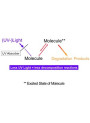
- UV & Singlet Oxygen Protection: Protec™ SQ acts as a "singlet state quencher." Active ingredients like CoQ10 and Vitamin C derivatives are highly sensitive to UV light. Protec™ SQ protects these actives from degrading when exposed to light, a function that Vitamin E does not perform as effectively.
- Comprehensive Shield: By combining Protec™ OX (for oxidation) and Protec™ SQ (for UV/Singlet Oxygen protection), you have created a very robust stabilization system that exceeds the protective capabilities of Vitamin E alone.
When you might still want to include Vitamin E:
- Skin Benefits: While Protec™ OX and SQ protect the formula, Vitamin E (Tocopherol) is a well-known skin active that provides antioxidant benefits directly to the skin, helps with moisturizing, and supports skin repair.
- Marketing: Vitamin E is a consumer-recognized ingredient that adds "label appeal" to your product.
Recommendation: If your goal is purely to keep the formula stable and prevent the actives from degrading, you do not need to add Vitamin E. However, if you want the added skin-care benefits, you can still include it at a low percentage (e.g., 0.1-0.5%).
Related Products Mentioned
Vitamin E (Tocopheryl Acetate)
Cosmetics
Vitamin E (dl-alpha tocopherol)
Cosmetics
Coenzyme Q10 (98%, Powder, Oil-Soluble)
Cosmetics

Protec™ SQ
Cosmetics