Night Cream Formula Feedback: Texture and Dry Skin Suitability
Question
I have formulated a night cream for dry and dehydrated skin, targeting wrinkles, firmness, and brightening. The formula includes the following active ingredients:
- Tranexamic Acid
- Yeast Radiance
- Safe-B3
- GlucoBright
- Acetyl Hexapeptide-8
- Pep-Coll
- Pitera
- Snow Algae
- Avocado Oil
- Phospholipid
- Water-Film (at 3%)
- L-Carnosine
- Laurocapram (at 2%)
The resulting texture is sticky and heavy, which is not pleasant to use. I am also concerned if the formula provides enough moisture for dry skin.
Could you please review my formula and provide feedback on:
- Why the texture is sticky and how to improve it?
- How to make the formula more suitable and moisturizing for dry skin?
- Specific usage guidance for ingredients like Water-Film (especially regarding flaking) and L-Carnosine (absorption)?
- Any other suggestions for optimizing this formula?
Answer
Feedback on Your Night Cream Formula for Dry Skin
Thank you for sharing your detailed night cream formula for dry and dehydrated skin, targeting wrinkles, firmness, and brightening.
Your formula includes a comprehensive selection of active ingredients known for their benefits in these areas, such as Tranexamic Acid, Yeast Radiance, Safe-B3, GlucoBright, various peptides (Acetyl Hexapeptide-8, Pep-Coll), Pitera, and Snow Algae. These ingredients are well-chosen for addressing your skin concerns.
Based on your formula and the previous feedback, here are some points to consider:
- Ingredient Load and Texture: Your formula contains a high concentration of active ingredients. While beneficial, incorporating this many actives can sometimes lead to a sticky or heavy texture, as noted in the previous feedback. It's important to ensure the overall formula base can accommodate this load while maintaining a pleasant feel suitable for a night cream.
- Moisture for Dry Skin: For dry and dehydrated skin, increasing the oil phase or adding more emollients is often recommended to provide sufficient hydration and a comfortable feel. Your formula includes Avocado Oil and Phospholipid, but you might consider increasing the percentage of Avocado Oil or adding other nourishing oils or butters to better suit dry skin needs. The missing percentage in your formula (8%) is likely the base, which should be optimized for dry skin.
- Water-Film Usage: The product description for Water Film indicates that it should be used with Glycerin or MOIST24 at a concentration of at least 1.5 times the amount of Water Film to prevent flaking. Since you are using 3% Water Film, you would need at least 4.5% Glycerin or MOIST24. Adding Glycerin to your formula is highly recommended to ensure the Water Film functions correctly and provides optimal hydration without causing flaking.
- L-Carnosine Absorption: The description for L-Carnosine suggests using a carrier like Laurocapram, Butylene Glycol, or Ethoxydiglycol at around 3% for better absorption. You have included Laurocapram at 2%, which is helpful. Adding Glycerin as suggested for Water Film will also contribute to the overall hydration and may indirectly assist in the delivery of water-soluble actives like L-Carnosine.
In summary, your selection of active ingredients is excellent for targeting wrinkles, firmness, and brightening. However, to optimize the formula for dry/dehydrated skin and ensure a good texture, consider adjusting the overall ingredient load, increasing the oil/emollient phase, and crucially, adding Glycerin to support the performance of Water Film and enhance overall hydration.
Related Products Mentioned
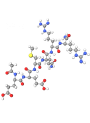
Acetyl Hexapeptide-8 (eq Argireline)
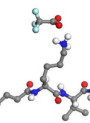
Pep®-Coll (Palmitoyl tripeptide-5)
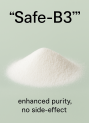
Safe-B3™ (Vitamin B3, Niacinamide)
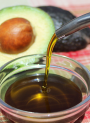
Avocado Oil (Refined)
GlucoBright™ (Acetyl Glucosamine)
Glycerin (USP/Food Grade)
Pro Polymer™ (Gel Maker)
Rice Vitamin (Inositol, Vitamin B8)
Dipalmitoyl Hydroxyproline (DPHP)
Mild Preserved Eco™ (Preservative-Free)

Water-Film™ (Galactoarabinan)
Tranexamic Acid (Trans-White™)
Snow Algae

Yeast Radiance™
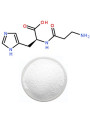
L-Carnosine
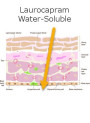
Laurocapram (Water Soluble)