Night Cream Formula Review for Melasma Treatment
Question
I am trying to create a night cream formula for treating melasma. My formula includes the following ingredients and percentages:
- Carbomer (2.5%)
- Butter Cream Maker (3%)
- Oil Phase (Fractionated Coconut Oil, Behenyl Alcohol, Kukui Nut Oil, Squalane - total 22.5%)
- Glycolic Acid (2%)
- Tranexamic Acid
- Sym-White
- Myristyl Nicotinate
- Other ingredients (Water phase, etc. implied)
I encountered issues with the formula not mixing or being unstable. Could you please review this formula and advise on the potential problems and how to make it stable and effective for melasma treatment?
Answer
Subject: Feedback on Night Cream Formula
Thank you for providing your night cream formula and the staff's feedback. The staff is correct that this formula, as written, is likely to have significant issues with stability and may not be mixable.
Here are some points regarding the formula:
- Compatibility Issues: The main challenge appears to be the combination of a high concentration of Carbomer (2.5%) with the oil phase, emulsifier (Butter Cream Maker), and particularly the inclusion of Glycolic Acid (2%). Carbomer is a gelling agent that thickens the water phase, typically at a neutral to slightly alkaline pH. Glycolic Acid is acidic and will significantly lower the pH. This pH change can cause the Carbomer gel to lose its viscosity and break down, leading to separation of the formula.
- Emulsification: While Butter Cream Maker is included, the ratio of the total oil phase (Fractionated Coconut Oil, Behenyl Alcohol, Kukui Nut Oil, Squalane - totaling 22.5%) to the emulsifier (3%) might be insufficient to create a stable emulsion, especially when trying to incorporate it into a potentially unstable Carbomer gel. Behenyl Alcohol also acts as a thickener and co-emulsifier but might not compensate for the primary emulsifier's potential limitations in this complex system.
- Ingredient Percentages: Some percentages, like 2.5% Carbomer and 10% Behenyl Alcohol, are quite high and would likely result in a very thick texture, assuming the formula could be stabilized. While the active ingredients for melasma (Glycolic Acid, Tranexamic Acid, Sym-White, Myristyl Nicotinate) are relevant, their effectiveness and stability are highly dependent on the final pH and the overall formulation's integrity.
- All-in-One Melasma Goal: The formula includes ingredients suitable for targeting melasma and providing moisturizing benefits. However, achieving a stable and effective "all-in-one" product requires careful balancing of all components, especially when combining potentially incompatible ingredients like acidic AHAs with pH-sensitive thickeners.
To create a stable and effective night cream, especially one targeting melasma, the formulation needs significant adjustments. The staff's question about your skin type is important because it helps determine the appropriate concentrations of active ingredients and the overall texture and feel of the cream, which influences the choice of thickeners and emollients.
It is recommended to consult with a formulator or adjust the formula based on known compatible ingredient combinations and processing methods to ensure stability and efficacy.
Related Products Mentioned
Squalane (Olive)
Triethanolamine 99%
Fractionated Coconut Oil
Disodium EDTA

Trans-White™
Natto Gum Extract
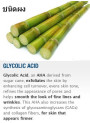
Glycopure™ (Glycolic Acid (AHA) Powder)
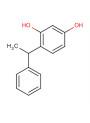
Mild Preserved Eco™ (Preservative-Free)
Butter Cream Maker™
Reservoir-Tech