Night Cream Formulation for Melasma and Brightening
Question
I am making a night cream using a ready-made base for treating melasma and brightening skin. I have three proposed formulas:
- Tranexamic Acid 3% + Pro-Niacin 5%
- Tranexamic Acid 2% + Sym-White 0.3% + AHA 1.5% + BHA 0.5% + Pro-Niacin 7.5%
- Sym-White 0.5% + Pro-Niacin 5%
Could you please advise which formula would be most effective for melasma and brightening?
Additionally, I would like to know the comparison between Tranexamic Acid 3% and MSH White Absorb 5% in terms of effectiveness for reducing melasma.
Answer
Night Cream Formulation for Melasma and Brightening
You're looking to create a night cream using a pre-made base to address melasma and brighten your skin. You've proposed three formulas with specific active ingredients.
Based on expert advice, effective treatment for melasma often involves combining whitening ingredients with those that promote skin cell exfoliation, such as AHA. Additionally, ingredients that aid in penetration or provide sustained release can enhance the overall efficacy by ensuring continuous action of the active components.
Let's evaluate your proposed formulas:
Formula 1: Tranexamic Acid (3%) + Pro-Niacin (5%)
- This formula contains well-known whitening agents. Tranexamic Acid at 3% is within the allowed cosmetic usage rate. Pro-Niacin (assuming Niacinamide) at 5% is also a common and effective concentration.
- However, this formula does not include ingredients specifically for exfoliation.
Formula 2: Tranexamic Acid (2%) + Sym-White (0.3%) + AHA (1.5%) + BHA (0.5%) + Pro-Niacin (7.5%)
- This formula incorporates multiple whitening ingredients (Tranexamic Acid, Sym-White, Pro-Niacin) along with exfoliants (AHA, BHA). The concentrations proposed are generally within recommended guidelines (Tranexamic Acid max 3%, Sym-White recommended 0.5%, BHA max 2%, Pro-Niacin/Niacinamide up to 10% for certain types).
- This combination of whitening and exfoliating actions aligns well with the recommended approach for treating melasma.
Formula 3: Sym-White (0.5%) + Pro-Niacin (5%)
- This formula includes whitening agents at appropriate concentrations (Sym-White recommended 0.5%, Pro-Niacin/Niacinamide 5%).
- Similar to Formula 1, it lacks exfoliating ingredients.
Considering the synergy between whitening and exfoliating agents for melasma treatment, Formula 2 appears to be the most comprehensive and potentially effective option among your proposals, as it combines both types of active ingredients.
Regarding the comparison between Tranexamic Acid (3%) and MSH White Absorb (5%) for reducing melasma:
- Tranexamic Acid at 3% is a recognized concentration for cosmetic use targeting melasma, particularly sun-induced pigmentation. It works by reducing melanin formation.
- MSH White™ (Undecylenoyl phenylalanine) works by inhibiting the signal that triggers melanin production (Alpha-MSH). It is effective for various types of pigmentation, including age spots, and is noted to work well in combination with other brighteners like Niacinamide. The recommended usage rate for MSH White™ is typically up to 2%. Using it at 5% would exceed the recommended concentration.
Both ingredients are effective, but they have different mechanisms and recommended usage rates. Tranexamic Acid at 3% is a standard approach for melasma. MSH White™ at its recommended rate (up to 2%) is also a powerful brightener, especially when combined with other ingredients.
To further enhance the effectiveness of your chosen formula, particularly Formula 2, you might consider adding an ingredient like Reservoir-Tech. As mentioned by the staff, this type of ingredient can help active substances penetrate better and remain active in the skin for longer, which is crucial for consistent melasma treatment.
Remember to always adhere to the maximum recommended usage rates for all ingredients to ensure safety and avoid skin irritation.
Related Products Mentioned

Safe-B3™ (Vitamin B3, Niacinamide)
Salicylic Acid (BHA, Pharma Grade)
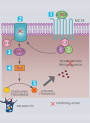
MSH White™ (Undecylenoyl phenylalanine)
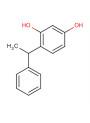
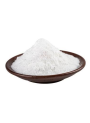
Tranexamic Acid (Trans-White™)