Night Cream Formulation Mixing Steps and Heat Sensitivity
Question
I am formulating a night cream using the following ingredients:
1. Rose Petal Water 35%
2. Rose Water (Rosa Damascena) 47%
3. Reshape Gel™ 5%
4. Panthenol (Vitamin B5) ExtraLite™ 3%
5. Double Hyaluron Liquid 5%
6. Full & Lift™ 5%
My proposed mixing steps are:
1. Combine Rose Petal Water and Rose Water (Rosa Damascena) until fully mixed.
2. Add Double Hyaluron Liquid.
3. Gently heat the mixture to approximately 40°C.
4. Add Reshape Gel™ while stirring continuously until it is fully incorporated and the mixture thickens.
5. Remove from heat.
6. Add Panthenol (Vitamin B5) ExtraLite™ and continue stirring until it is evenly dispersed.
7. Allow the mixture to cool down.
8. Finally, add Full & Lift™ and stir until completely combined.
I am unsure about the correct mixing order for combining all ingredients, especially regarding the heat sensitivity of Panthenol (Vitamin B5) ExtraLite™, which needs to be dissolved in water but can tolerate heat for only a short duration. Please advise on the mixing procedure.
Answer
# Night Cream Formulation Steps
Okay, I have reviewed your proposed formulation steps and the response from beautyxguide.
Based on the information, your proposed mixing order for the night cream formulation is acceptable.
Here is the confirmed process:
1. Combine Rose Petal Water and Rose Water (Rosa Damascena) until fully mixed.
2. Add Double Hyaluron Liquid to the mixture.
3. Gently heat the mixture to approximately 40°C.
4. Add Reshape Gel™ while stirring continuously until it is fully incorporated and the mixture thickens.
5. Remove from heat.
6. Add Panthenol (Vitamin B5) ExtraLite™ and continue stirring until it is evenly dispersed.
7. Allow the mixture to cool down.
8. Finally, add Full & Lift™ and stir until completely combined.
Regarding your concern about the heat sensitivity of Panthenol (Vitamin B5) ExtraLite™, the advice confirms that using a temperature of around 40°C for a short duration, as proposed in your steps, is suitable and should not cause issues with this ingredient.
Related Products Mentioned
Double Hyaluron Liquid
Panthenol (Vitamin B5) ExtraLite™
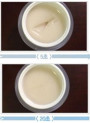
Reshape Gel™ (Gel Maker, Memory-Gel)
Rose Water (Rosa Damascena)