Night Cream / Sleeping Mask Formula and Questions
Asked by: dharmaamm
On: May 26, 2017
Product Type:
Cosmetics
Answered
Question
I am developing a night cream/sleeping mask for combination skin (dehydrated, oily but not moisturized) and prefer a non-sticky texture. I want to include the following ingredients:
- Soy Extract (10% originally planned)
- Japanese Cedar
- Willow Bark Extract
- Ume Extract
- Centella Asiatica Extract
- Rosa Hybrid Cell Extract
- Plankton GP4G
I have some questions:
- Is it possible to create a hydrogel texture for this formula, or is a cream texture necessary?
- Can I add other emollients to improve the texture?
- Regarding oils, which is the least sticky among Fractionated Coconut Oil, Olive CLEAR, and Evening Primrose Oil? What percentage is recommended?
- What is the difference between a night cream and a sleeping mask, and why does a sleeping mask often seem more effective quickly?
- Are ingredients that have hormone-like properties in cosmetics a risk for hormone-related cancers? I am concerned about information regarding parabens in roll-ons.
Answer
Subject: Night Cream / Sleeping Mask Formula and Questions
Thank you for your inquiry regarding your night cream formula. Based on your desired ingredients, skin type (combination, dehydrated, oily but not moisturized), and preference for a non-sticky texture, the staff has provided a revised formula and instructions.
Here is the recommended formula:
- Water: 61.8%
- EDTA: 0.2% (Product ID 184)
- Japanese Cedar: 1% (Product ID 1201)
- Willow Bark Extract: 5% (Product ID 1117)
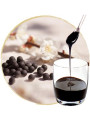
- Ume Extract: 2% (Product ID 1058)
- Soy Extract: 3% (Product ID 302) - Reduced from 10% to help reduce potential stickiness.
- Centella Asiatica Extract: 2% (Product ID 294)
- Rosa Hybrid Cell Extract: 2% (Product ID 1137)
- Plankton GP4G: 2% (Product ID 1228)
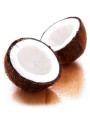
- Fractionated Coconut Oil: 5% (Product ID 169) - Recommended as a less sticky alternative to Echium Oil, which you found sticky. You can adjust the percentage based on your skin's needs.
- 1,2-Hexanediol: 3% (Product ID 886)
- Reservoir-Tech: 3% (Product ID 1246) - Added as recommended by staff.
- Cetearyl Alcohol: 5% (Product ID 480) - Added as emulsifier/thickener.
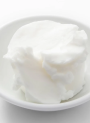
- Butter Cream Maker: 3% (Product ID 1041) - Added as emulsifier/thickener to achieve a rich yet light, non-sticky cream texture.
Mixing Instructions (Cream Texture):
- Combine the oil phase ingredients (Fractionated Coconut Oil, Cetearyl Alcohol, Butter Cream Maker) and heat to 70-80°C until melted and uniform. Stir or blend.
- Combine the heat-tolerant water phase ingredients (Water, EDTA, Reservoir-Tech) and heat to a similar temperature (70-80°C).
- Slowly add the oil phase into the water phase while stirring or blending until fully combined and emulsified into a cream.
- Let the cream cool down to below 50°C.
- Add the remaining heat-sensitive ingredients (Japanese Cedar, Willow Bark Extract, Ume Extract, Soy Extract, Centella Asiatica Extract, Rosa Hybrid Cell Extract, Plankton GP4G, 1,2-Hexanediol) and stir or blend until fully incorporated.
Regarding your questions:
- Hydrogel Texture: The staff recommended the cream texture which requires heat, a method you are comfortable with. While hydrogels are possible with different thickeners, the provided formula is for a cream.
- Adding Emollients: You can add other emollients if desired for a smoother feel, but adjusting the percentages of potentially sticky ingredients (like oils or certain extracts) is often a better way to manage texture at the source.
- Oil Stickiness: Among Fractionated Coconut Oil, Olive CLEAR, and Evening Primrose Oil, Fractionated Coconut Oil is the least sticky option. Starting with 5% is a good starting point, and you can adjust based on your preference and skin feel.
- Night Cream vs. Sleeping Mask: The main difference is often in texture and application method (mask is typically applied thicker and left on overnight). Sleeping masks may seem more effective quickly because their formulation allows for higher concentrations of active ingredients and a heavier texture that users expect and accept, providing a more intensive treatment compared to a lighter daily night cream. The actual effectiveness depends on the specific ingredients and their concentrations in each formula, not just the product category name.
- Hormone-like Ingredients and Cancer Risk: Cosmetic ingredients, including those that might have properties resembling hormones, are not designed or permitted by regulatory bodies like the FDA to penetrate into the bloodstream. Therefore, their topical use in cosmetics at approved concentrations is not considered a risk for hormone-related cancers. The concern about parabens in roll-ons was related to specific studies and has led to changes in formulation practices, but it's important to rely on current scientific understanding and regulatory guidelines regarding cosmetic ingredient safety.
We hope this revised formula and information are helpful. Please let us know if you have further questions.
Related Products Mentioned
Fractionated Coconut Oil
Cosmetics
Disodium EDTA
Cosmetics


Soy Extract (Isoflavones / Genistein)
Cosmetics
Cetearyl Alcohol (50/50, e.q. Lanette O)
Cosmetics
Butter Cream Maker™
Cosmetics
Ume Extract (Anti-Glycation)
Cosmetics
Rosa Hybrid Cell Extract (HybridCell™)
Cosmetics

Plankton Artemia Extract
Cosmetics
Reservoir-Tech
Cosmetics