O/W Cream Formulation Issues: Stinging, Oiliness, and Compatibility
Question
I have formulated an oil-in-water (O/W) cream using the following ingredients and percentages:
- SPF Protect Plus™
- Mineral oil (5%)
- Glycerin (5%)
- Vitamin B5 (0.5%)
- Vitamin B3 (4%)
- n-acetyl glucosamine
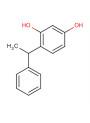
- Sym-White™ (Phenylethyl Resorcinol)
- Allantoin
- Light Cream Maker™ (1%)
- Phenoxyethanol
- Disodium EDTA
The mixing method involves a standard O/W emulsion process, adding Sym-White™ at the end with gentle heat (up to 50°C) and adjusting the pH to 4-5.
Considering I may be using products that cause skin exfoliation or treating acne, I have the following questions about this formulation:
- Is this formula okay? Are there any incompatible ingredients?
- Why does it sting slightly when applied? Is it related to applying too much?
- After applying, the face feels a bit oily. Which ingredients can be reduced?
- Sym-White™ can dissolve in oil, but the recommended method is to add it to the finished cream at the end. Can it be mixed in the oil phase instead? (It's hard to see if the powder dissolves when added at the end).
- Is this formula waterproof?
- Can powder foundation be applied over this formula?
Answer
Formulation Analysis and Answers
The formulation you provided is an oil-in-water (O/W) cream containing chemical sunscreens (from SPF Protect Plus™), emollients (mineral oil, glycerin, Vitamin B5), whitening agents (Vitamin B3, n-acetyl glucosamine, Sym-White™), a soothing agent (Allantoin), an emulsifier (Light Cream Maker™), a preservative (Phenoxyethanol), and a chelating agent (Disodium EDTA). The mixing method described is a standard approach for creating this type of emulsion.
Here are the answers to your specific questions:
1. Is this formula OK? Are there any incompatible ingredients?
The formula appears generally well-structured and the ingredients are largely compatible.
- The combination of Vitamin B3 (Niacinamide) and n-acetyl glucosamine is well-known for its synergistic whitening and anti-aging effects.
- Disodium EDTA is correctly included to help stabilize ingredients like Sym-White™.
- Light Cream Maker™ is a suitable O/W emulsifier for this type of cream.
- The mixing method described is appropriate for incorporating the oil and water phases and adding Sym-White™ at the end.
Potential compatibility considerations based on ingredient descriptions:
- Sym-White™ (Phenylethyl Resorcinol) should ideally be in a formula with a pH between 4-5 for optimal stability. The pH adjustment step is therefore crucial.
- The description for Sym-White™ also advises avoiding ingredients in the Amino Acids, Urea, or any protein group, as they may cause issues (yellowing/separation). While none are explicitly listed in your main ingredients, ensure any other additions do not contain these.
- Some perfumes can cause issues with Sym-White™, so testing any fragrance addition is recommended.
- SPF Protect Plus™ should not be mixed with Physical Sunscreens (Titanium Dioxide, Zinc Oxide) or OMC (Octyl Methoxycinnamate) as this can make the Avobenzone component unstable. Your formula does not include these, so this is not an issue here.
Overall, the core ingredients and method are sound, provided the pH is adjusted correctly and maintained.
2. Why does it sting slightly when applied? Is it related to applying too much?
The slight stinging sensation could be due to a few factors:
- pH Level: If the final pH of the cream is too low (acidic), it can cause stinging or irritation, especially on sensitive or compromised skin. While the pH adjustment aims for 4-5, ensure it is accurately measured and within this range.
- Niacinamide Concentration: Although you are using Safe-B3™ which is designed to minimize flushing, a 4% concentration of Niacinamide can still cause a warming or tingling sensation in some individuals, particularly if they have sensitive skin or are new to using Niacinamide.
- Skin Condition: As the staff reply suggested, if you are using products that cause skin exfoliation (like AHAs/BHAs) or treating acne, your skin barrier might be more sensitive, making it more prone to stinging from active ingredients.
- Application Amount: While less likely the primary cause, applying a very thick layer could potentially concentrate the active ingredients on the skin surface, possibly contributing to the sensation.
Consider checking the final pH carefully and assess if your skin is currently sensitized by other treatments.
3. After applying, the face feels a bit oily. Which ingredients can be reduced?
The oily feeling is likely due to the emollient ingredients in the formula. Mineral oil (5%) is a common emollient that can leave a noticeable feel on the skin, especially at higher percentages. Glycerin (5%) is a humectant but can also contribute to a slightly tacky or heavy feel at higher concentrations. Vitamin B5 (Panthenol) at higher levels can also feel gooey, though your 0.5% is low.
To reduce the oily feeling, you can try reducing the percentage of mineral oil. You could start by reducing it gradually (e.g., to 3% or 4%) and see if the texture improves while maintaining stability. If you reduce the oil phase significantly, you might need a slight adjustment in the Light Cream Maker™ percentage, but 1% should still emulsify a lower oil content effectively.
4. Can Sym-White™ be mixed in the oil phase?
The description for Sym-White™ (Phenylethyl Resorcinol) states that it can dissolve in oil. However, the recommended mixing method is to add it to the finished cream (which contains an oil phase) in the final step. You can use heat up to 50°C to help it dissolve faster.
So, while it is oil-soluble, the suggested procedure is to add it at the end into the cream, not to pre-mix it with the initial oil phase ingredients before emulsification. This method is likely recommended for optimal stability or ease of formulation. Your observation that it's hard to see if the powder dissolves when added at the end is understandable, but the product information confirms it will dissolve in the cream containing oil with gentle heating.
5. Is this formula waterproof?
Based on the ingredients, this formula is unlikely to be waterproof.
- It uses chemical sunscreens, which do not inherently provide water resistance.
- Light Cream Maker™ is an oil-in-water emulsifier and does not provide significant water-resistant properties.
- Achieving a waterproof sunscreen typically requires specific water-resistant polymers that form a film on the skin, which are not listed in your formula.
This formula is suitable for daily use without direct water exposure or heavy sweating. For swimming or intense outdoor activities, a specifically labeled "waterproof" or "very water resistant" sunscreen is needed.
6. Can powder foundation be applied over this formula?
Yes, you can generally apply powder foundation over this cream. The cream provides a base for the powder to adhere to. The slight oiliness you experienced (as mentioned in question 3) might affect the finish of the powder, potentially making it look less matte or influencing its wear time compared to a completely matte base, but it should not prevent you from applying it.
Related Products Mentioned
Safe-B3™ (Vitamin B3, Niacinamide)

Allantoin
GlucoBright™ (Acetyl Glucosamine)
Triethanolamine 99%
Light Cream Maker™
Glycerin (USP/Food Grade)
Citric Acid (Monohydrate, Natural)
Phenoxyethanol (Extra Pure)

Lactic Acid (AHA) 88%
Disodium EDTA

SPF Protect Plus™