O/W Emulsifier Recommendations for Light Lotion and Texture Adjustment
Question
What O/W emulsifiers are suitable for formulating a light, electrolyte-resistant lotion with 20-25% oil phase, usable in cold or hot process without a high-speed mixer, and how can the texture be made matte and smooth?
Answer
O/W Emulsifier Recommendations for Light Lotion
Based on your requirements for an O/W emulsifier that creates a non-viscous lotion texture, is electrolyte resistant, can handle 20-25% oil phase, and can be used in cold or hot process without a high-speed mixer, here are a few suitable options:
- Steareth-21: This emulsifier is known for its good electrolyte resistance and provides a non-sticky feel. It is typically used in hot process formulations.
- Light Lotion Maker: This high-performance emulsifier can be used in both cold and hot processes and can handle up to 40% oil. It provides a light, non-sticky texture and has good compatibility.
- Sucrose Cream Maker™: A natural-based emulsifier that offers good electrolyte compatibility and creates a light, non-oily, silky skinfeel. It is used in hot process formulations.
These emulsifiers can help you achieve the desired lotion consistency without necessarily requiring a high-speed mixer, especially in hot process methods where standard stirring is often sufficient.
Achieving Matte and Smooth Texture
To make the product texture more matte and smooth, you can consider the following:
- Choose appropriate emollients: Select emollients that provide a dry, smooth, and non-greasy feel. An example is LipidSoft™ B, which is known for being easy to spread, drying quickly, and leaving a smooth, light touch without feeling heavy or greasy.
- Emulsifier choice: As mentioned above, some emulsifiers like Sucrose Cream Maker™ inherently contribute to a silky, non-oily skinfeel.
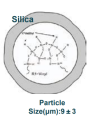
- Adding powders: Incorporating fine powders (like silica or specific cosmetic powders) into your formulation can help absorb excess oil on the skin surface, providing a matte finish and enhancing the glide and smoothness of the product.
Follow-up Replies
Question:
I would like to ask further.
If I want a texture similar to Eucerin Sunscreen Sebum Control, how should I do it? I just need it to be in that direction, not necessarily exactly the same. The texture should be soft but not runny when applied, easy to spread, leaning towards matte or at least not shiny, adheres well to the skin, not sticky or so thick that it cannot be used with a pump head, and absorbs relatively quickly. It should also tolerate electrolytes to some extent.
I understand that silicones can help, but I don't know how to incorporate silicones into the formula. Emulsifiers for silicones also seem to have fewer options.
I also know about silica or powders like MatteSorb or RiceSorb to help adjust for a matte finish, and some liquid softeners or emollients to help.
I would like you to suggest which emulsifier, co-emulsifier, or stabilizer to use, and which silicones, silica, or emollients to combine them with.
Just give me a general guideline so I can experiment further on my own. There are so many products in your store, I don't know where to start. Some products are very viscous, and with the equipment I currently have, I cannot measure precisely.
If you cannot provide a detailed answer, please at least point me to resources that provide knowledge about these topics.
Answer:
Formulation Guidance for Matte, Light Lotion (Similar to Eucerin Sunscreen Sebum Control)
To achieve a lotion texture similar to Eucerin Sunscreen Sebum Control, which is soft, non-runny, easy to spread, matte, adheres well, isn't sticky, is pumpable, absorbs quickly, and has some electrolyte resistance with an oil phase around 20% and 20-30% actives, you'll need a combination of suitable emulsifiers, emollients, mattifying agents (silicones and powders), and stabilizers.
Here is a guideline based on the product types available:
Emulsifiers
Choose O/W emulsifiers that can handle electrolytes and provide a light texture without requiring high shear. Suitable options include:
- Light Lotion Maker: A versatile emulsifier for cold or hot process, good with higher oil phases and can create light textures.
- Sucrose Cream Maker™: A natural-based option providing a silky, non-oily feel and good electrolyte compatibility (hot process).
- CreamMaker EG™: Easy to use, provides a light feel, and works well in simple formulations.
- Steareth-21: Often used with Steareth-2 as a pair, provides good electrolyte resistance (hot process).
Emollients
Select emollients that contribute to a dry, smooth, non-greasy skin feel and aid spreadability. Consider blends of:
- Light, fast-absorbing esters: Such as LipidSoft™ B, LipidSoft™ Lite, or LipidSoft™ Spread.
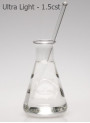
- Low-viscosity Dimethicones: Like Dimethicone 1.5 cst, 3 cst, or 5 cst. These improve slip and reduce tackiness.
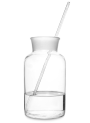
- Isododecane: Provides a very light, dry, volatile feel.
Mattifying Agents (Silicones and Powders)
These are key to achieving the matte finish and smooth, powdery feel.
- Silicone Gels: Products like Silicone Gel Ultra Low Viscosity (Super Powderly) or Silicone Gel (Medium Matte, Dimethicone Base) directly impart a matte, powdery feel.
- Silicone Powders: SiliSilk™ WO or Silicone Jelly Powder can be dispersed to enhance the matte effect and texture.
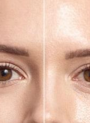
- Silica and Treated Powders: UltraBlur™ (Skin Blurring Silica), MatteSilica types, or treated Sericite/Mica powders (e.g., Sericite Powder (CompactPro™, Matte, Dimethicone Coated)) absorb oil and provide a soft-focus, matte look.
Incorporating Silicones and Powders:
- Liquid silicones (Dimethicones) are typically part of the oil phase.
- Silicone gels can often be added to the oil phase or incorporated into the finished emulsion during the cooling phase.
- Powders (Silica, Sericite, etc.) can be dispersed in a suitable emollient or silicone before adding to the formulation, or added to the water phase if they are surface-treated to be water-dispersible. Adding them during the cooling phase while stirring is a common method.
Stabilizers and Thickeners
Essential for stabilizing the emulsion, especially with high oil/active loads and electrolytes, and for adjusting viscosity for pumpability and texture.
- Electrolyte-resistant polymers: Sepimax Zen or Aristoflex AVC are excellent choices. They are often easy to use (some can be cold-processed or swell in water) and provide good stability and a pleasant texture.
- Hectorite Gel™: Can help stabilize emulsions containing challenging oils or silicones.
General Formulation Approach (O/W Emulsion)
- Water Phase: Combine water-soluble ingredients, including your chosen stabilizer/thickener (hydrate it fully). Add water-soluble actives (20-30%). Heat if using a hot process emulsifier.
- Oil Phase: Combine oil-soluble ingredients, including your chosen emulsifier, emollients, liquid silicones, and any oil-dispersible powders/silicone gels. Heat if using a hot process emulsifier.
- Emulsification: Slowly add the oil phase to the water phase while stirring. If using a hot process, maintain temperature and stir until the emulsion forms. If using a cold process emulsifier, simply combine and stir.
- Cooling Phase: Cool the emulsion while stirring. Add heat-sensitive actives below a certain temperature (usually 40-45°C). Incorporate additional mattifying powders or silicone gels if not added earlier.
- Final Adjustment: Adjust pH if necessary. Add preservative. Check viscosity and texture. If too thin, you might need more stabilizer or a co-emulsifier/thickener.
Start with low percentages of the recommended ingredients and gradually adjust based on your experimental results to achieve the desired texture and performance. Refer to the specific product descriptions on the store website for detailed usage instructions and recommended percentages for each ingredient.
For further knowledge, explore the technical information provided with each product on the MySkinRecipes website. Experimentation is key to perfecting your formulation.
แนวทางการพัฒนาสูตรโลชั่นเนื้อแมตต์และบางเบา (ใกล้เคียง Eucerin Sunscreen Sebum Control)
เพื่อให้ได้เนื้อโลชั่นที่ใกล้เคียงกับ Eucerin Sunscreen Sebum Control ซึ่งมีลักษณะนุ่ม ไม่เหลวเยิ้ม เกลี่ยง่าย ให้ความรู้สึกแมตต์หรืออย่างน้อยก็ไม่เงาวาว เกาะติดผิวได้ดี ไม่เหนอะหนะ สามารถใช้กับหัวปั๊มได้ ซึมหรือแห้งไวพอประมาณ และทนอิเล็กโทรไลต์ได้บ้าง โดยมีสัดส่วนน้ำมันประมาณ 20% และสารออกฤทธิ์ 20-30% คุณจะต้องใช้ส่วนผสมของสารอิมัลซิไฟเออร์ สารให้ความนุ่มลื่น สารที่ช่วยให้เนื้อแมตต์ (ซิลิโคนและผงแป้ง) และสารเพิ่มความคงตัว/สารเพิ่มความข้นที่เหมาะสม
นี่คือแนวทางเบื้องต้นโดยอิงจากประเภทสินค้าที่มี:
สารอิมัลซิไฟเออร์
เลือกสารอิมัลซิไฟเออร์ชนิด O/W ที่สามารถทนอิเล็กโทรไลต์ได้ และให้เนื้อสัมผัสที่บางเบาโดยไม่ต้องใช้เครื่องผสมความเร็วสูง ตัวเลือกที่เหมาะสมได้แก่:
- Light Lotion Maker: สารอิมัลซิไฟเออร์ที่ใช้งานได้หลากหลาย ทั้งแบบ Cold Process หรือ Hot Process รองรับสัดส่วนน้ำมันสูงได้ดี และให้เนื้อสัมผัสที่บางเบา
- Sucrose Cream Maker™: ตัวเลือกจากธรรมชาติ ให้ความรู้สึกนุ่มลื่น ไม่มัน และเข้ากันได้ดีกับอิเล็กโทรไลต์ (ใช้แบบ Hot Process)
- CreamMaker EG™: ใช้งานง่าย ให้เนื้อสัมผัสบางเบา และเหมาะสำหรับสูตรที่ไม่ซับซ้อน
- Steareth-21: มักใช้คู่กับ Steareth-2 ช่วยให้สูตรทนอิเล็กโทรไลต์ได้ดี (ใช้แบบ Hot Process)
สารให้ความนุ่มลื่น (Emollients)
เลือกสารให้ความนุ่มลื่นที่ให้ความรู้สึกแห้ง ลื่น ไม่เหนอะหนะ และช่วยให้เกลี่ยง่าย พิจารณาใช้ร่วมกันระหว่าง:
- เอสเทอร์เนื้อบางเบา ซึมไว: เช่น LipidSoft™ B, LipidSoft™ Lite หรือ LipidSoft™ Spread
- ซิลิโคนที่มีความหนืดต่ำ: เช่น Dimethicone ความหนืด 1.5 cst, 3 cst, หรือ 5 cst ช่วยให้เนื้อลื่นและลดความเหนอะหนะ
- Isododecane: ให้ความรู้สึกบางเบา แห้ง และระเหยง่าย
สารช่วยให้เนื้อแมตต์ (ซิลิโคนและผงแป้ง)
ส่วนผสมเหล่านี้เป็นกุญแจสำคัญในการสร้างเนื้อสัมผัสแบบแมตต์และเนียนนุ่มเหมือนแป้ง
- ซิลิโคนเจล: เช่น Silicone Gel Ultra Low Viscosity (Super Powderly) หรือ Silicone Gel (Medium Matte, Dimethicone Base) ให้ความรู้สึกแมตต์และเหมือนทาแป้งโดยตรง
- ผงซิลิโคน: SiliSilk™ WO หรือ Silicone Jelly Powder สามารถช่วยเสริมประสิทธิภาพในการให้ความแมตต์และปรับเนื้อสัมผัส
- ซิลิกาและผงแป้งเคลือบผิว: UltraBlur™ (Skin Blurring Silica), MatteSilica ชนิดต่างๆ หรือผง Sericite/Mica ที่ผ่านการเคลือบผิว (เช่น Sericite Powder (CompactPro™, Matte, Dimethicone Coated)) จะช่วยดูดซับความมันและให้ผิวดูนวลเนียนแบบ Soft-focus
วิธีการผสมซิลิโคนและผงแป้ง:
- ซิลิโคนเหลว (Dimethicones) โดยทั่วไปจะรวมอยู่ในส่วนของน้ำมัน
- ซิลิโคนเจลสามารถเติมในส่วนของน้ำมัน หรือเติมลงในอิมัลชั่นที่ทำเสร็จแล้วในช่วงที่กำลังเย็นตัวลง
- ผงแป้ง (ซิลิกา, Sericite, ฯลฯ) สามารถนำไปกระจายตัวในสารให้ความนุ่มลื่นหรือซิลิโคนก่อนนำไปผสม หรือเติมในส่วนของน้ำหากเป็นชนิดที่เคลือบผิวให้กระจายตัวในน้ำได้ การเติมในช่วงที่อิมัลชั่นกำลังเย็นตัวลงพร้อมกับการกวนเป็นวิธีที่นิยม
สารเพิ่มความคงตัวและสารเพิ่มความข้น
มีความสำคัญอย่างยิ่งในการทำให้อิมัลชั่นคงตัว โดยเฉพาะเมื่อมีสัดส่วนน้ำมัน/สารออกฤทธิ์สูง และมีอิเล็กโทรไลต์ รวมถึงช่วยปรับความหนืดให้เหมาะสมกับการใช้กับหัวปั๊มและให้เนื้อสัมผัสที่ไม่เหลวเยิ้ม
- โพลิเมอร์ที่ทนอิเล็กโทรไลต์: Sepimax Zen หรือ Aristoflex AVC เป็นตัวเลือกที่ดีเยี่ยม มักใช้งานง่าย (บางชนิดสามารถใช้แบบ Cold Process หรือบวมตัวในน้ำได้) ให้ความคงตัวที่ดีและเนื้อสัมผัสที่น่าพอใจ
- Hectorite Gel™: สามารถช่วยเพิ่มความคงตัวให้กับอิมัลชั่นที่มีน้ำมันหรือซิลิโคนบางชนิดที่ผสมได้ยาก
แนวทางการทำสูตรเบื้องต้น (อิมัลชั่นชนิด O/W)
- ส่วนน้ำ: รวมส่วนผสมที่ละลายน้ำได้ รวมถึงสารเพิ่มความคงตัว/สารเพิ่มความข้นที่เลือกใช้ (ต้องแน่ใจว่าบวมตัวเต็มที่) เติมสารออกฤทธิ์ที่ละลายน้ำได้ (20-30%) ให้ความร้อนหากใช้อิมัลซิไฟเออร์แบบ Hot Process
- ส่วนน้ำมัน: รวมส่วนผสมที่ละลายในน้ำมันได้ รวมถึงสารอิมัลซิไฟเออร์ที่เลือกใช้ สารให้ความนุ่มลื่น ซิลิโคนเหลว และผงแป้ง/ซิลิโคนเจลที่กระจายตัวในน้ำมันได้ ให้ความร้อนหากใช้อิมัลซิไฟเออร์แบบ Hot Process
- การทำอิมัลชั่น: ค่อยๆ เติมส่วนน้ำมันลงในส่วนน้ำพร้อมกับกวน หากเป็น Hot Process ให้คงอุณหภูมิไว้และกวนจนอิมัลชั่นก่อตัว หากใช้อิมัลซิไฟเออร์แบบ Cold Process ให้ผสมรวมกันแล้วกวนได้เลย
- ช่วงทำเย็น: ทำให้อิมัลชั่นเย็นลงพร้อมกับกวน เติมสารออกฤทธิ์ที่ไม่ทนความร้อนเมื่ออุณหภูมิต่ำลง (โดยทั่วไปประมาณ 40-45°C) เติมผงแป้งหรือซิลิโคนเจลเพิ่มเติมหากยังไม่ได้เติมก่อนหน้านี้
- การปรับขั้นสุดท้าย: ปรับค่า pH หากจำเป็น เติมสารกันเสีย ตรวจสอบความหนืดและเนื้อสัมผัส หากเหลวเกินไป อาจต้องเพิ่มสารเพิ่มความคงตัว หรือ Co-emulsifier/สารเพิ่มความข้น
เริ่มต้นจากการใช้ส่วนผสมที่แนะนำในปริมาณน้อยๆ และค่อยๆ ปรับเปลี่ยนตามผลการทดลองของคุณเพื่อให้ได้เนื้อสัมผัสและประสิทธิภาพที่ต้องการ ศึกษาข้อมูลการใช้งานโดยละเอียดและปริมาณที่แนะนำสำหรับส่วนผสมแต่ละชนิดจากรายละเอียดสินค้าบนเว็บไซต์ของร้าน MySkinRecipes
การทดลองเป็นสิ่งสำคัญที่สุดในการพัฒนาสูตรของคุณให้สมบูรณ์แบบ
Related Products Mentioned
Steareth-21
Light Lotion Maker
LipidSoft™ B (Dibutyl adipate)
Dimethicone (Very Light/5, Low-Odor)
Aristoflex AVC
Hectorite Gel™ (C11-12 Isoparaffin Base)
Dimethicone (Ultra Light/1.5, Low-Odor)
Isododecane (Ultra Lite)
UltraBlur™ (Skin Blurring Silica)
Sepimax Zen
CreamMaker EG™ (e.q. Simulgel EG)