Oil Cleansing Gel & Microemulsion Cleanser Formulation Issues (Sugar Gel, Oilsify 15)
Question
I am experimenting with two cleansing formulas based on examples provided on your website:
1. Oil Cleansing Gel (based on Sugar Gel sample formula):
My formulation is:
- Fractionated Coconut Oil 30%
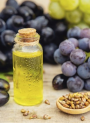
- Grape Seed Oil 20%
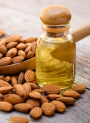
- Sweet Almond Oil 16%
Total Oil Phase = 66% - MakeUp-Wash™ 10%
- Coco Wash™ 5%
- Glycerin 10%
- Sugar Gel 5%
- Water 4%
When I mixed it, I got a thick, cloudy gel. It seems like Sugar Gel did not dissolve, and there are still powder particles, causing separation. Is this separation due to the water content? Would it be better to use Oil Thick™ Soft (สร้างเนื้อเจลน้ำมัน / Oil Gellant / เนื้อนุ่ม) instead to get a well-mixed gel?
The texture during massage is quite thick/sticky. What ingredient could I add to make it feel smoother when massaging?
After rinsing, my skin feels quite dry. Is it possible to make the skin feel softer and more moisturized after washing?
2. Microemulsion Cleanser (based on Oilsify 15 sample formula):
My formulation is based on the example Microemulsion Cleanser formula using Oilsify 15:
- Oilsify 15 30%
- Fractionated Coconut Oil 30%
- Grape Seed Oil 10%
- Sweet Almond Oil 10%
- Butylene Glycol 20%
Can I remove the water part from this formula? (The original example formula includes water).
The texture during massage is quite thick/sticky. What ingredient could I add to make it feel smoother when massaging?
Thank you.
Answer
Oil Cleansing Gel with Sugar Gel
You mentioned that the gel is thick, cloudy, and has undissolved powder, suggesting the Sugar Gel did not dissolve properly and caused separation. This is likely due to the mixing method. According to the instructions for Sugar Gel, it needs to be dissolved in the water and Glycerin phase by heating to 70-80°C and stirring until it forms a creamy texture. The oil phase should also be heated to 70-80°C, and then the heated oil phase is slowly poured into the heated water/Glycerin/Sugar Gel phase while continuously stirring. If these specific heating and mixing steps are not followed precisely, the Sugar Gel may not hydrate and disperse correctly, leading to the issues you observed.
Regarding using Oil Thick™ Soft instead: Oil Thick™ Soft is another type of oil gellant. While it can create an oil gel, it typically results in a translucent (not completely clear) texture and is often used in cream formulations or oil/silicone systems. Sugar Gel is specifically designed to create clear oil gels and can incorporate small amounts of water (up to 10%), which is present in your formula (4% water, 10% Glycerin). The primary issue seems to be the mixing technique for Sugar Gel. I recommend trying the formula again, strictly following the heating and mixing instructions for Sugar Gel first.
To address the texture being too thick and wanting a smoother feel during massage:
- Ensure the Sugar Gel is properly dissolved and incorporated using the correct method. Improper gelling can affect the feel.
- The combination of oils you used (Fractionated Coconut Oil, Grape Seed Oil, Sweet Almond Oil) are generally good emollients. If the texture is still too draggy after proper gelling, you could consider slightly reducing the total gelling agent concentration (Sugar Gel).
To address the skin feeling dry after washing and wanting a softer, more moisturized feel:
- Your formula includes Coco Wash™, which is a gentle surfactant known for providing a soft and smooth feel and having some refatting properties.
- Ensure the total amount of surfactants (MakeUp-Wash™ and Coco Wash™) is not too high, as this can lead to a stripped feeling. The percentages you used (10% MakeUp-Wash™, 5% Coco Wash™) seem reasonable for a cleansing gel.
- You could explore adding a small percentage (e.g., 1-3%) of a skin conditioning agent or a more substantive emollient that leaves a soft feel after rinsing, but this requires careful formulation to ensure it doesn't negatively impact the cleansing or emulsification performance.
Microemulsion Cleanser with Oilsify 15
You asked if you can remove the water from the sample formula using Oilsify 15.
- The example formula for a "Microemulsion Cleanser" provided in the Oilsify 15 description explicitly includes 10% water. A microemulsion is a specific type of system that requires both oil and water phases to form a clear or translucent dispersion with the help of a high amount of emulsifier/surfactant.
- If you remove the water, the formula will no longer be a microemulsion. It would become a Cleansing Oil formulation. The Oilsify 15 description also provides an example of a "Cleansing Oil formula" which does not contain water (e.g., Oilsify 15 15%, LipidSoft™ Palm 84.8%, Phenoxyethanol 0.2%). So, yes, you can create a formula using Oilsify 15 without water, but it will function as a Cleansing Oil, not a Microemulsion Cleanser.
To address the texture being too thick and wanting a smoother feel during massage in the Oilsify 15 formula:
- The feel of a cleansing oil/microemulsion is influenced by the type and ratio of oils and the emulsifier (Oilsify 15).
- Ensure the ratio of Oilsify 15 to the oil phase is appropriate. The example Microemulsion formula uses a high ratio (30% Oilsify 15 to 50% oil). This high emulsifier content contributes to the microemulsion formation but can also influence the texture and feel.
- Experiment with different types of oils or a blend of oils. Lighter oils might provide a silkier feel.
- Adjusting the concentration of Oilsify 15 within the recommended range (5-20%, recommend 10-15% for cleansing oil) might also impact the texture, but be mindful that a lower concentration might affect cleansing performance and emulsification upon rinsing.
In summary, for the Sugar Gel formula, focus on perfecting the mixing method with heat. For the Oilsify 15 formula, removing water changes it from a microemulsion to a cleansing oil. For both formulas, adjusting the oil blend or gellant/emulsifier concentration (within recommended ranges) can help fine-tune the texture and feel.
Related Products Mentioned
Glycerin (USP/Food Grade)
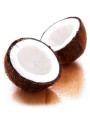
Fractionated Coconut Oil
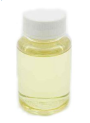
Coco Wash™ (PEG-7 Glyceryl Cocoate)