Oil-Free Sunscreen Formulation with Bisoctrizole and Tris-Biphenyl Triazine (Nano) in Hyaluronic Acid Gel Base
Question
I am developing an oil-free sunscreen formula and have two options using Bisoctrizole and Hyaluronic Acid Gel Base. The second formula also includes Tris-Biphenyl Triazine (Nano). Is the second formula viable for an oil-free sunscreen, what would its estimated SPF be, and do you have recommendations for oil-free sunscreen formulations?
Answer
Sunscreen Formulation Analysis and Recommendations
Regarding your proposed sunscreen formulas using Bisoctrizole, Tris-Biphenyl Triazine (Nano), and Hyaluronic Acid Gel Base, here is an analysis:
Viability of the Second Formula
Your second formula, containing 10% Tris-Biphenyl Triazine (Nano), 8% Bisoctrizole, and 82% Hyaluronic Acid Gel Base, appears to be a viable formulation, especially for an oil-free product.
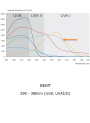
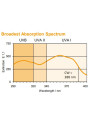
- Bisoctrizole (Tinosorb M) is a broad-spectrum UV filter (UVB, UVA I, UVA II) that is water-dispersible, making it suitable for water-based or oil-free systems like your Hyaluronic Acid Gel Base. The concentration of 8% is within the typical usage rate (up to 10%).
- Tris-Biphenyl Triazine (Nano) is likely referring to Bemotrizinol (Tinosorb S), a highly effective and stable organic UV filter covering UVA/UVB. It can work well with other sunscreens like Bisoctrizole. The concentration of 10% is at the maximum allowed limit in regions like Europe and Thailand. A water-soluble or dispersible form of this ingredient would be necessary for an oil-free gel base.
- Hyaluronic Acid Gel Base is described as a light, non-greasy, water-based gel suitable for use as a base in various formulas, including at high concentrations (up to 100%). This base aligns with your goal of an oil-free sunscreen.
The combination of these UV filters in a Hyaluronic Acid Gel Base is chemically compatible and aligns with the properties of the ingredients, suggesting the formula is technically feasible.
Estimated SPF Value
It is not possible to calculate the exact SPF value of a sunscreen formulation without laboratory testing. SPF is determined by the final, tested product, as interactions between ingredients and the base can affect the protection level. However, using high concentrations of effective broad-spectrum filters like 8% Bisoctrizole and 10% Tris-Biphenyl Triazine (Bemotrizinol) is expected to provide high SPF and excellent UVA protection.
Recommendations for Oil-Free Sunscreen Formulas
To create effective oil-free sunscreen formulas, focus on using UV filters that are water-soluble, water-dispersible, or can be effectively incorporated into a non-oily base like a gel or serum. Ingredients like:
- Bisoctrizole (Tinosorb M): As used in your formula, it's a great option due to its water dispersibility and broad-spectrum coverage.
- Bemotrizinol (Tinosorb S): Available in forms suitable for water-based systems, providing high UVA/UVB protection and stability.
- Other water-soluble/dispersible organic filters: Look for other chemical filters designed for aqueous systems.
- Physical filters (Zinc Oxide, Titanium Dioxide): While traditionally dispersed in oil, newer dispersions are available that can be incorporated into water-based or silicone-based (oil-free) formulas, though they may still present challenges with texture or white cast at high concentrations.
- Suitable Bases: Utilize gel bases like Hyaluronic Acid Gel Base, or explore silicone-based gels or other non-oily carriers that can effectively suspend or dissolve the chosen UV filters.
When formulating, always ensure the UV filters are properly dispersed or dissolved in the base to achieve uniform protection. Stability testing and, crucially, in-vitro or in-vivo SPF and UVA-PF testing are essential to confirm the final product's efficacy and safety.