Oil-Free Vitamin C E Ferulic Serum Formulation and Ingredient Compatibility
Question
Based on a previous formula for Vitamin C E Ferulic serum, I would like to create an oil-free version suitable for oily skin. Additionally, I have questions regarding ingredient efficacy and compatibility:
- How can the previous formula be modified to be oil-free?
- What is the efficacy of using 0.2% Ferulic Acid compared to the recommended 0.5%?
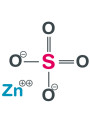
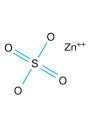
- Is Zinc Sulfate compatible with Vitamin C (L-ascorbic acid) in a formulation?
Answer
Oil-Free Alternative for Vitamin C E Ferulic Serum
You are currently using a Vitamin C E Ferulic serum and want an oil-free version for your oily skin. You also asked about the efficacy of using 0.2% Ferulic Acid instead of 0.5% and the compatibility of Zinc Sulfate and Vitamin C.
Creating an Oil-Free Version
The suggestion to remove Vitamin E (Tocopheryl Acetate) and Laureth-23 from your current formula is a good approach to make it oil-free. Here's why:
- Vitamin E (Tocopheryl Acetate): This is an oil-soluble ingredient. Removing it helps reduce the oily feel of the serum.
- Laureth-23: This ingredient functions as an emulsifier, typically used to blend oil and water phases in creams and lotions. Removing it is necessary if you are eliminating the oil phase (Vitamin E) to create a truly oil-free serum.
By removing these oil-contributing components, you can achieve an oil-free formulation.
Ferulic Acid Concentration
The recommended usage rate for Pure-Ferulic Acid is typically 0.5-1% for anti-aging and antioxidant benefits in skincare formulas. Using 0.2% Ferulic Acid is below this recommended range. While it may still provide some level of antioxidant protection, its efficacy, particularly in stabilizing Vitamin C and providing significant anti-aging benefits, would likely be reduced compared to using 0.5% or 1%.
Zinc Sulfate and Vitamin C Compatibility
The concern about mixing Zinc Sulfate and Vitamin C (L-ascorbic acid) is valid. L-Ascorbic Acid is known to be unstable, especially in aqueous solutions and in the presence of certain metal ions. Zinc ions from Zinc Sulfate can potentially catalyze the degradation of L-Ascorbic Acid, leading to a loss of potency and stability of the Vitamin C. Formulating a stable product with both ingredients can be challenging due to this chemical incompatibility.
Related Products Mentioned
Vitamin E (Tocopheryl Acetate)
Vitamin C E Ferulic
Pure-Ferulic Acid™
Vitamin C (L-ascorbic acid) (Ultra-Fine)
Laureth-23