Oil Separation Issue in Cream Formulation (High Oil/Silicone Phase)
Question
I am developing a cream formulation with a high oil/silicone phase, including ingredients like Cyclomethicone (10%) and Lipid Soft. I am experiencing oil separation, where oil floats on top of the cream. My formula also includes Pro Polymer and Silisove as thickeners, and actives such as Safe-B3™, Pure-NAD+™, Coenzyme Q10, Cucumber Extract, Hyaluronic Acid, Calendula, Pure-Oryzanol™, Activated Resorcinol™, and Tranexamic Acid.
What steps can I take to prevent this oil separation and achieve a stable, homogenous cream?
Answer
Addressing Oil Separation in Your Cream Formulation
It appears you are experiencing oil separation in your cream formulation, with oil floating on top. This is a common challenge, especially in formulas with a significant oil and silicone phase relative to the water phase, like yours which includes Cyclomethicone and Lipid Soft. Adding thickeners like Pro Polymer and Silisove helps with texture but may not fully address the emulsification issue.
The key to resolving this often lies in the emulsification system and the mixing process.
Recommended Steps:
- Optimize Mixing: Ensure you are using high-shear mixing. Blend or mix the formulation for an extended period, ideally at least 10-15 minutes, after combining the phases. This high energy is crucial for creating small, stable emulsion droplets.
- Strengthen Emulsifier: Your "Light Cream" acts as the primary emulsifier. It might not be sufficient to handle the 20.5% oil/silicone load, particularly the 10% Cyclomethicone. Consider increasing the concentration of your "Light Cream" or incorporating a co-emulsifier known for stabilizing high oil/silicone content emulsions.
- Increase Water Phase Viscosity: Continue using or increase the Pro Polymer to 1% as previously suggested. This helps thicken the water phase and improves overall stability.
- Review Ingredient Addition: Ensure all ingredients are fully dissolved or dispersed in their correct phases (water-soluble in water phase, oil-soluble/dispersible in oil phase) before combining the two phases.
By focusing on robust mixing and potentially enhancing your emulsifier system, you should be able to achieve a stable and homogenous cream.
Ingredients in Your Formula:
Your formula includes several beneficial ingredients:
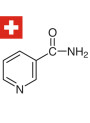
- Safe-B3™ (Vitamin B3, Niacinamide): A water-soluble active.
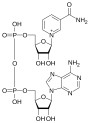
- Pure-NAD+™ (Nicotinamide Adenine Dinucleotide): A water-soluble active.
- Coenzyme Q10: Likely the oil-soluble form based on your process.
- Cucumber Extract: Typically water-soluble.
- Hyaluronic Acid: Used in the water phase for hydration.
- Calendula: Likely a water-soluble extract.
- Pure-Oryzanol™ (gamma Oryzanol 97%, Rice Bran Extract): An oil-soluble component.
- Activated Resorcinol™ (4-Butyl Resorcinol): A water-soluble active.
- Tranexamic Acid (Trans-White™): A water-soluble active.
- Cyclopentasiloxane (Low-Odor Cyclomethicone): A silicone used in the oil/silicone phase.
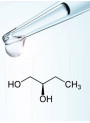
- Butylene Glycol: A solvent and humectant in the water phase.
- LipidSoft™ Cyclo or LipidSoft™ D5: Emollients/solvents in the oil/silicone phase.
Implementing these adjustments should help you overcome the oil separation issue.
Related Products Mentioned
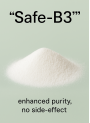
Safe-B3™ (Vitamin B3, Niacinamide)

Calendula Extract (Water Soluble)

Cucumber Extract (France)
Butylene Glycol
Coenzyme Q10 (98%, Powder, Oil-Soluble)
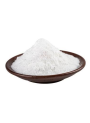
Tranexamic Acid (Trans-White™)


4D Hyaluronic Acid

Calendula Oil (Infused)
LipidSoft™ Cyclo (e.q. Cetiol Ultimate)
8D Hyaluronic Acid