Oily Skin Formulation Review: Ingredients, Preservation & Mixing
Question
I would like to know about my oily skin formulation. 1. Are the ingredients suitable, and do I need to add anything to prevent degradation or for preservation, such as preventing Antioxidant in the formula or other things? 2. Is the following mixing method feasible: Mix the base and all the water phase together. Then gradually add the powder ingredients Sebum-Reg (Capryloyl Glycine), AcneBee (10-Hydroxydecanoic Acid), and SelectSorb (PMMA) at the end, and then blend until combined?
Answer
Formulation Review for Oily Skin
Thank you for your questions regarding your oily skin formulation. Let's review the ingredients and mixing method.
1. Ingredient Suitability and Preservation
The ingredients you've chosen - Sebum-Reg (Capryloyl Glycine), AcneBee (10-Hydroxydecanoic Acid), and SelectSorb (PMMA) - are suitable for an oily skin formulation. They target oil control and can help with acne concerns.
Regarding preservation and preventing degradation:
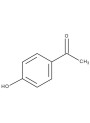
- Antioxidant: Adding an antioxidant is a good idea to protect the active ingredients from oxidation and maintain the formula's quality over time. Hydroxyacetophenone is a suitable option. It acts as an antioxidant and can also boost the effectiveness of your preservative system.
- Preservation: It is crucial to include a broad-spectrum preservative system in your formula, especially since it likely contains a water phase. Antioxidants help prevent ingredient degradation but do not protect against microbial growth (bacteria, mold, yeast). Ensure your chosen preservative is compatible with your ingredients and target pH range.
2. Mixing Method
Your proposed mixing method needs adjustment based on the solubility and optimal working conditions of your ingredients.
- Sebum-Reg (Capryloyl Glycine): This ingredient is a powder that dissolves in water at a pH higher than 7. Its optimal working pH is 4-6. You need to dissolve it in a portion of your water phase at an alkaline pH (above 7), potentially using heat up to 70°C to help, before incorporating it into the main formula. The final formula pH should then be adjusted down to 4-6 for optimal performance.
- AcneBee (10-Hydroxydecanoic Acid): This is a powder that dissolves in the oil portion of your formula. It should be dissolved in your oil phase (using heat up to 70°C if needed) before combining the oil and water phases.
- SelectSorb (PMMA): This powder is designed to be dispersed in the final step, provided your formula contains an oil component for it to disperse into. Your method of adding it at the end is correct for dispersion, but the other powders require dissolution earlier.
Revised Mixing Method Suggestion:
A more appropriate mixing method would be:
- Prepare your water phase, including your base and most water-soluble ingredients.
- Take a small portion of the water phase, adjust its pH above 7 (e.g., using Triethanolamine), add Sebum-Reg, and heat gently (up to 70°C) to dissolve. Once dissolved, add this back to the main water phase.
- Prepare your oil phase, including any oils and oil-soluble ingredients.
- Add AcneBee powder to the oil phase and heat gently (up to 70°C) to dissolve.
- Combine the water and oil phases (if making an emulsion) or mix the oil phase into the water phase (if making a dispersion/gel). Mix thoroughly.
- Cool the mixture down.
- Add heat-sensitive ingredients, your preservative system, and fragrance (if any).
- Add SelectSorb powder and blend well until evenly dispersed throughout the formula.
- Finally, adjust the pH of the finished formula down to the optimal range of 4-5.5 using an appropriate acid (like AHA acid) for maximum effectiveness of Sebum-Reg and AcneBee.
Following these steps will ensure your active ingredients are properly dissolved and incorporated for optimal performance and stability.